The U.S. Department of Education and stakeholders have reached consensus on how to implement President Donald Trump’s plan to revamp the federal student loan system, including which degree programs qualify for which tier of loans.
Negotiations resumed despite the ongoing government shutdown. For both the Department of Education and its Reimagining and Improving Student Education (RISE) committee, the central question was how to classify graduate and professional programs under the new loan structure.
Under the One Big Beautiful Bill, students enrolled in professional programs can borrow up to $200,000 total, limited to $50,000 per year. Borrowing for all other graduate programs is capped at $100,000 overall and $20,500 per year.
When it came to what programs count as “professional” and gain access to the highest amount of federal loans, negotiators agreed to a definition covering 11 degree types, including pharmacy, dentistry, veterinary medicine, chiropractic, law, medicine, optometry, osteopathic medicine, podiatry, a master’s degree in divinity, and a doctorate in clinical psychology.
It will also include certain doctoral programs sharing the same Classification of Instructional Programs (CIP) codes as those 11 professions.
This final definition is slightly broader than the department’s initial proposal that excluded clinical psychology, but narrower than a competing plan from committee member Alex Holt, who had proposed including any program requiring at least 80 credit hours and sharing a CIP code with one of the listed professional fields.
In an earlier negotiating session spanning from late September to early October, the department and the committee reached agreement on several other student loan-related provisions of the One Big Beautiful Bill, including eliminating the Grad PLUS program, which had allowed graduate and professional students to borrow up to the full cost of attendance, including room, board, and other expenses.
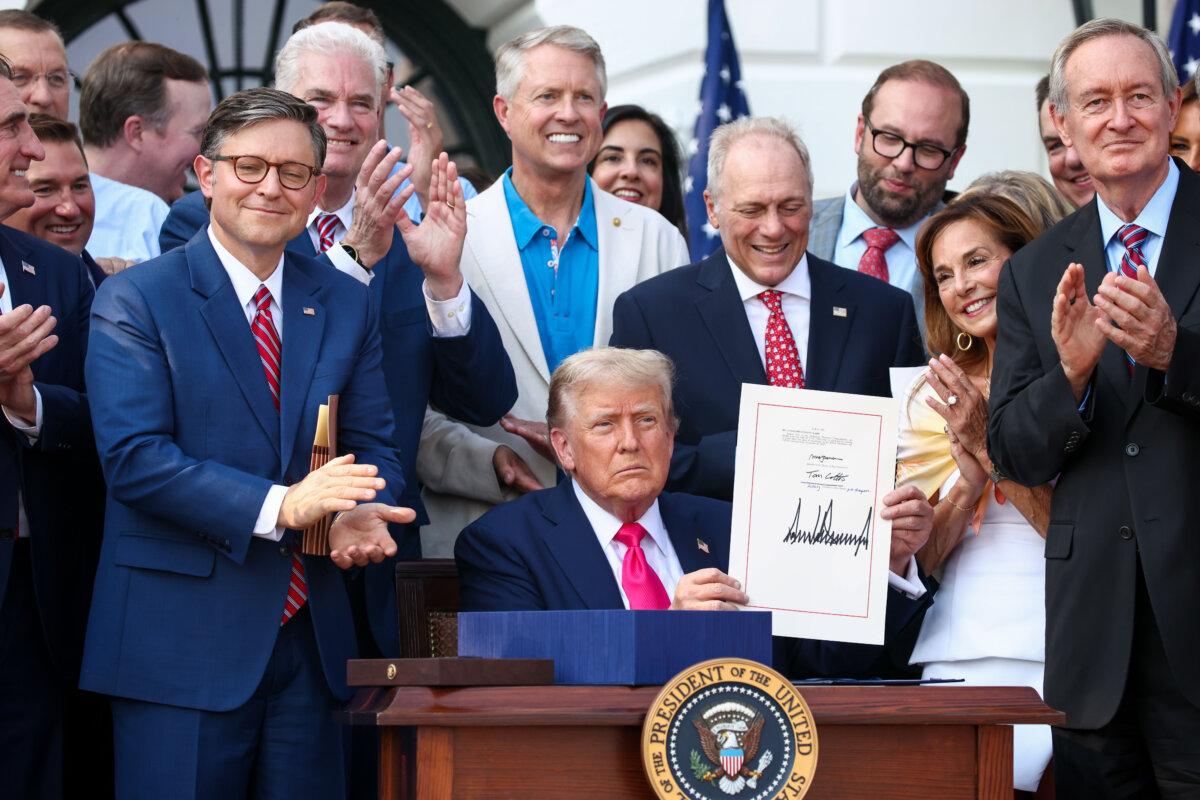
The law also places new limits on Parent PLUS loans, capping borrowing at $20,000 per year and $65,000 lifetime per student, down from the current policy that allows parents to borrow up to the “cost of attendance” for their children.
In addition to the new borrowing caps, negotiators agreed to consolidate existing income-driven repayment options into just two options: a Standard Repayment Plan and a Repayment Assistance Plan, which would allow for discharge of remaining balances after 30 years of qualifying payments.
“We appreciate the committee’s efforts to assist the Department in implementing President Trump’s One Big Beautiful Bill Act, which will simplify our complex student loan repayment system and better align higher education with workforce needs,” Under Secretary of Education Nicholas Kent said in a statement.
“The consensus language agreed upon by the negotiators today will help drive a sea change in higher education by holding universities accountable for outcomes and putting significant downward pressure on the cost of tuition. This will benefit borrowers who will no longer be pushed into insurmountable debt to finance degrees that do not pay off.”
The Education Department will now prepare draft regulations for public comment, with implementation scheduled to begin in July 2026.