The National Weather Service (NWS) issued cold weather and winter storm warnings along the East Coast of the United States on Jan. 31.
The service said sizeable snowfall has already begun to accumulate across the Southern Appalachians, the Carolina Piedmont, and the Coastal Plains, with another 4 to 8 inches possible through Saturday night.
The winter cold is expected to extend farther south.
“An intense surge of arctic air behind the coastal storm will send below-freezing temperatures down toward South Florida by Sunday morning,” the NWS said.
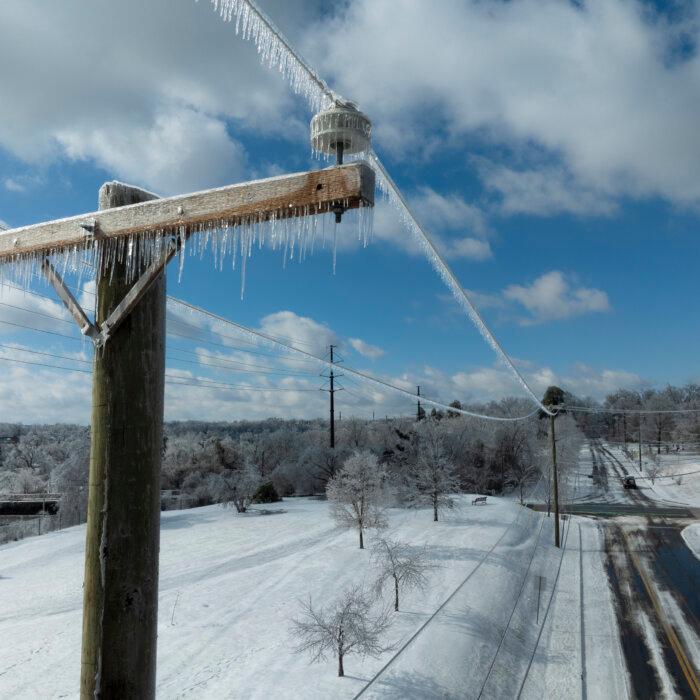
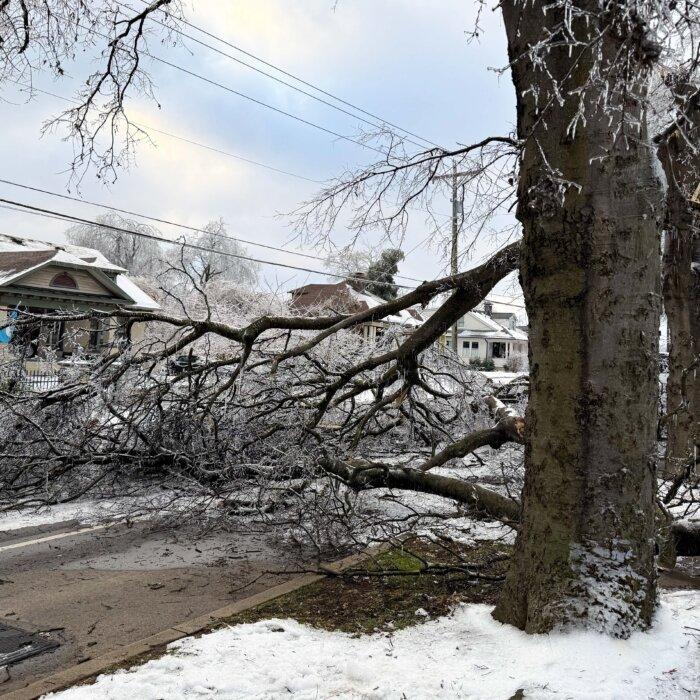
This intense winter weather comes as communities along the East Coast are still digging out from a layer of snow and ice from the previous week. Last week’s Arctic blast swept across large sections of the eastern half of the United States, knocking out power, clogging traffic, and bringing on more than 100 deaths.
Authorities in multiple states reported deaths related to hypothermia, as well as other deaths due to sledding accidents.
These federal disaster declarations are intended to allow states to access federal resources to restore power, clear and treat roads, and furnish communities with critical supplies, such as food, water, and generators.
This new round of intense winter weather also comes as the federal government entered a partial shutdown after midnight on Saturday. Among the executive branch departments facing a lapse in funding is the Department of Homeland Security, which includes FEMA.
Sen. Thom Tillis (R-N.C.) raised concerns about the shutdown earlier this week, stating a funding lapse could “stand in the way of FEMA and other disaster response, potentially.”
So far, FEMA has signaled its continued readiness to respond to the forecasted extreme weather.
The NWS also forecast a fast-moving low-pressure system—known as an Alberta Clipper—will spread wintry precipitation across the Northern Plains and upper Great Lakes region on Sunday.