U.S. forces stand to receive a massive boost in their drone warfare capabilities if Congress approves President Donald Trump’s military budget request for fiscal year 2027.
Earlier this month, the Trump administration put forward its 2027 budget plan, including $1.5 trillion in military and defense-related spending.
The overall military budget proposal represents a 42 percent boost over 2026 funding. Drone warfare would see a disproportionate share of that increase.
At a press briefing on April 21, Jules Hurst, the Pentagon official currently performing the duties of the comptroller, said overall drone warfare spending would reach about $75 billion under the Trump administration’s 2027 request. He noted this section of the 2027 budget would about triple the 2026 appropriations for drone warfare.
Feeding the DAWG
Of the $75 billion in total drone-related spending, about $54.6 billion would come as a funding boost to the Pentagon’s Defense Autonomous Warfare Group, which defense officials have taken to calling “the DAWG.”The DAWG received $225.6 million in initial funding last year, under a Republican-led spending package known as the One Big Beautiful Bill.
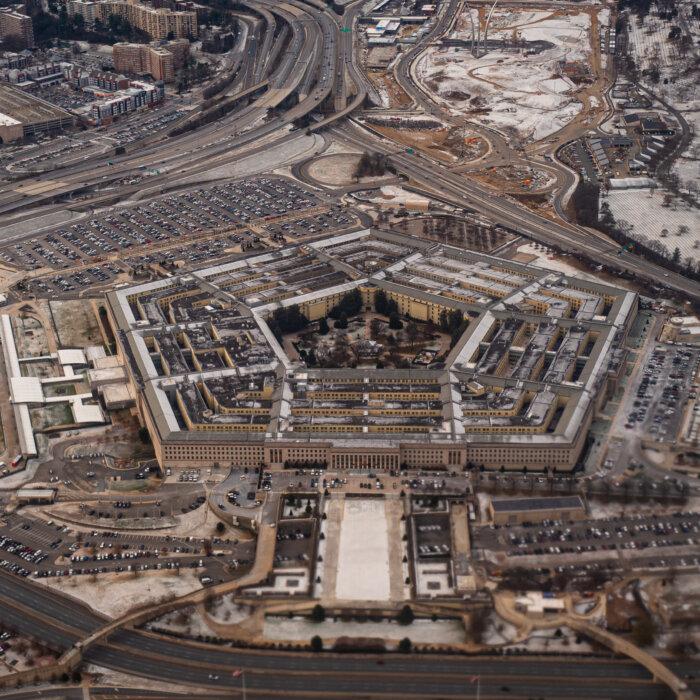
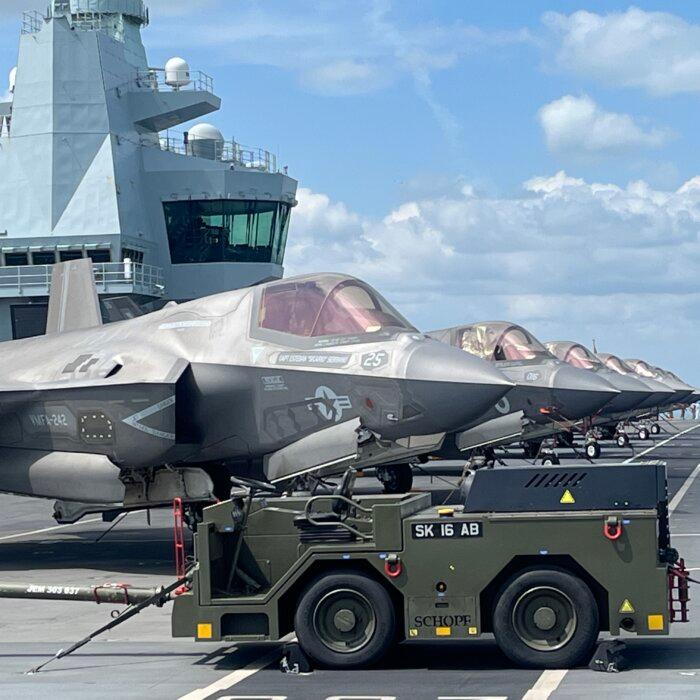
In the current budget proposal, the DAWG would receive $1 billion in discretionary funding under a baseline appropriation, and the remaining $53.6 billion in mandatory funding in a supplemental reconciliation bill.
The DAWG is meant to consolidate and streamline previous drone warfare efforts.
At a March 5 Senate Armed Services Committee hearing, U.S. Army Maj. Gen. Steven Marks, director of the DAWG, told lawmakers that the group will perform much of the test and evaluation effort for new drone systems.
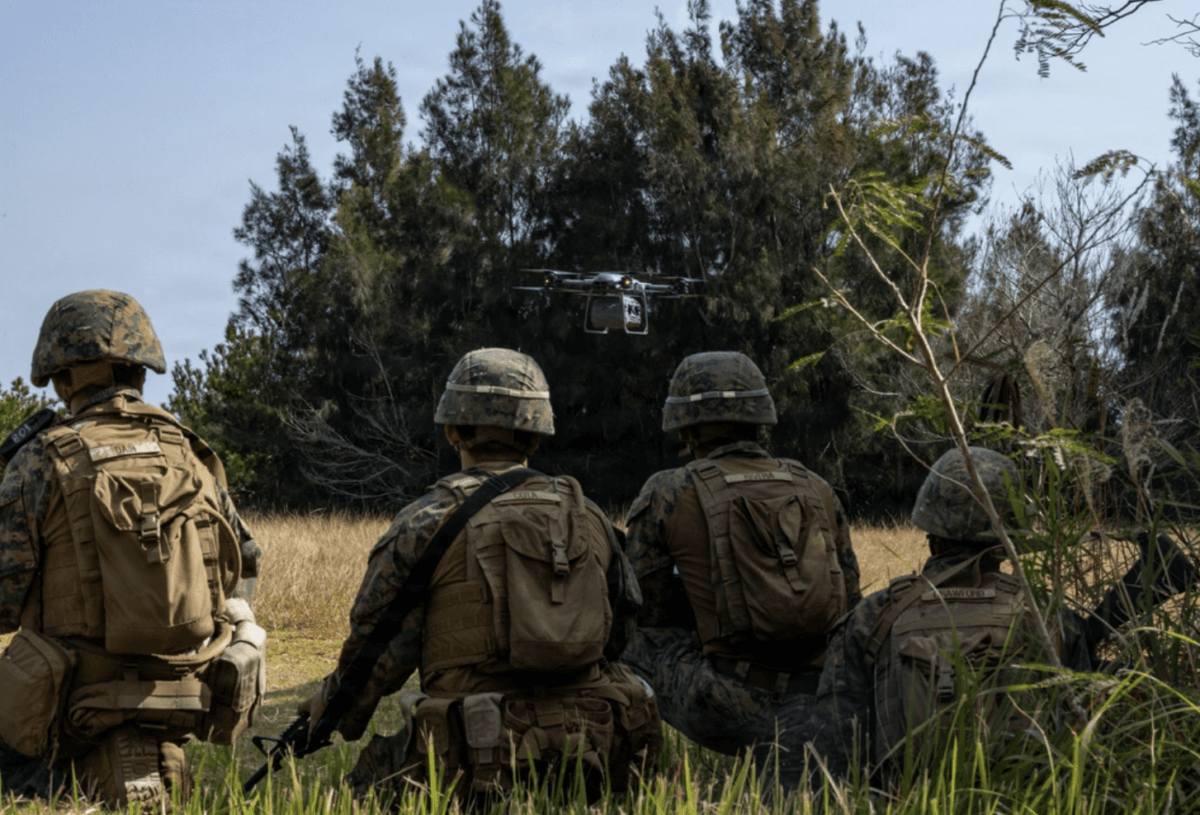
“Ultimately, they will develop the doctrine for employing these systems,” Marks said. “And then it will be required by the services to train the larger force.”
One of the DAWG’s key focus areas is the development of drone systems for logistics missions in contested environments.
In recent years, military planners have worked to address how to maintain supply lines in a potential conflict in the Indo-Pacific region. China’s strategy in the region may rely on asserting expansionist territorial claims and then targeting logistics hubs to increase the challenges for opposing forces to mount an effective counterattack.
Unmanned systems could help alleviate some of the strain of supply missions, and reduce the risk to human operators who would otherwise be tasked with running supplies to U.S. forces in the Indo-Pacific and other potentially contested regions.
Bolstering Drone Defenses
In addition to expanding U.S. drone capabilities through the DAWG, the 2027 budget request would work to build defenses against enemy drone threats.Of the $75 billion in drone warfare spending requests, about $20.6 billion would go toward advancing counter-unmanned systems capabilities. This amounts to $16.6 billion more than was appropriated for such purposes for fiscal year 2026.
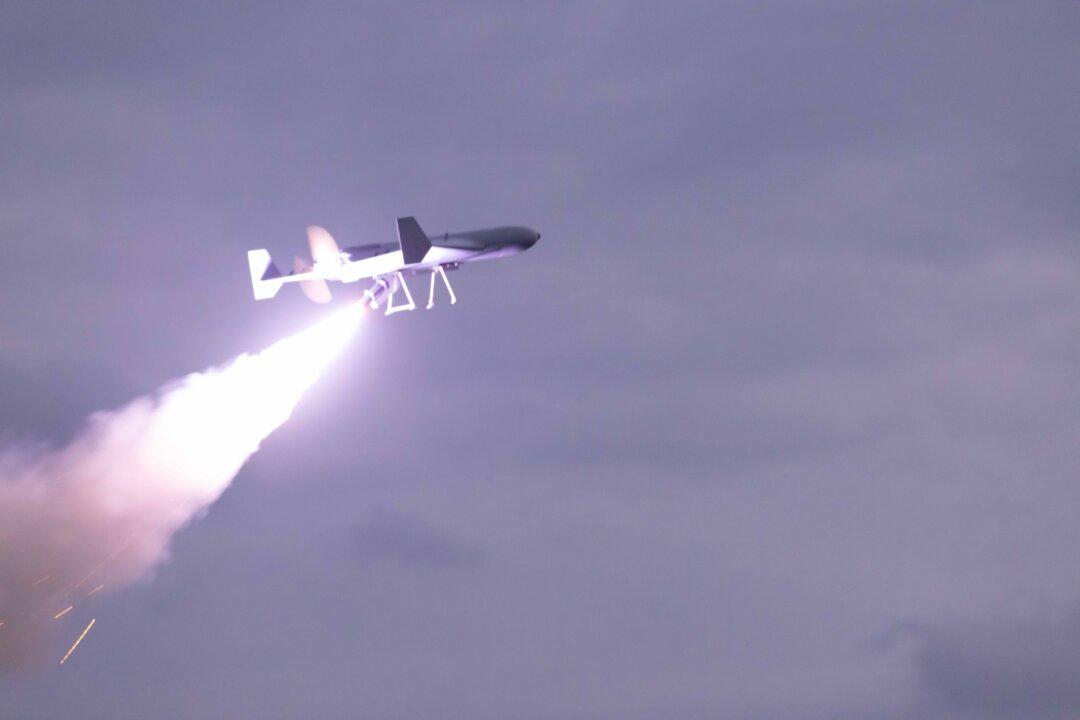
The recent conflict with Iran has again demonstrated the growing prevalence of one-way attack drones in modern conflicts. After U.S. forces commenced strikes on Iran on Feb. 28, Iranian forces began targeting U.S. bases, and critical infrastructure sites throughout the Middle East with barrages of one-way attack drones.
Even before the recent fighting in the Middle East, military leaders have noted with concern the potential cost imbalance of trying to effectively defend against swarms of inexpensive attack drones.
“We cannot afford to shoot down cheap drones with $2 million missiles,” Secretary of War Pete Hegseth said in December.
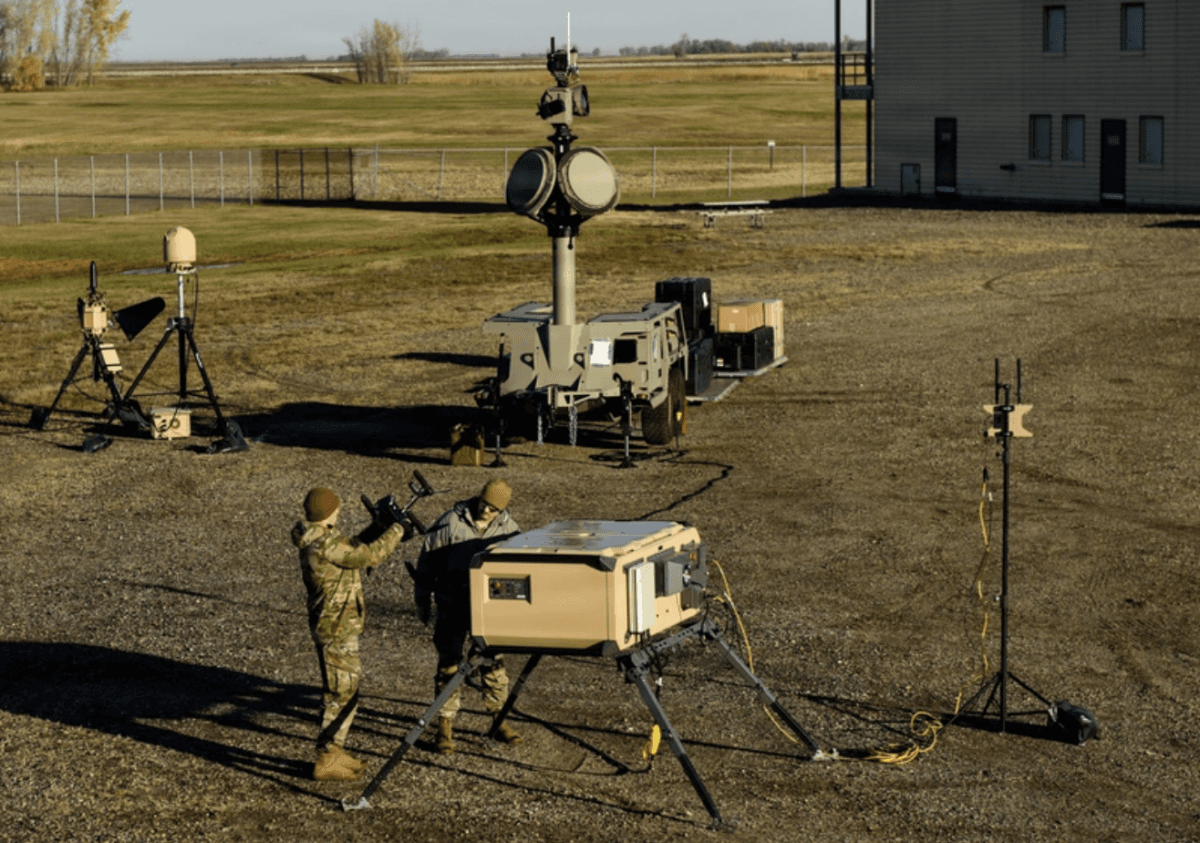
Last summer, Hegseth ordered the establishment of Joint Interagency Task Force 401 to help accelerate the development of new capabilities for countering small drones.
Since its establishment, the task force has evaluated numerous systems for defeating drone threats, and has established an online marketplace platform for military commands to procure such systems.
“We’ve worked to create a platform that not only simplifies the procurement process but also provides the crucial data and expert support necessary for our customers to make informed decisions,” Army Maj. Matt Mellor, the lead acquisitions specialist assigned for Task Force 401, said in February.
Budget materials from the Pentagon comptroller’s office noted Task Force 401’s role in the counter-drone efforts it’s looking to advance through next year’s budget request.