Combating violations of religious freedom around the world has been a policy of the United States for the past several decades.
Now, victims of a state-sponsored religious persecution—allegedly facilitated by a U.S. tech giant—are hoping to use legal tools to deter such conduct and to advance the goal of combating violations of religious freedom.
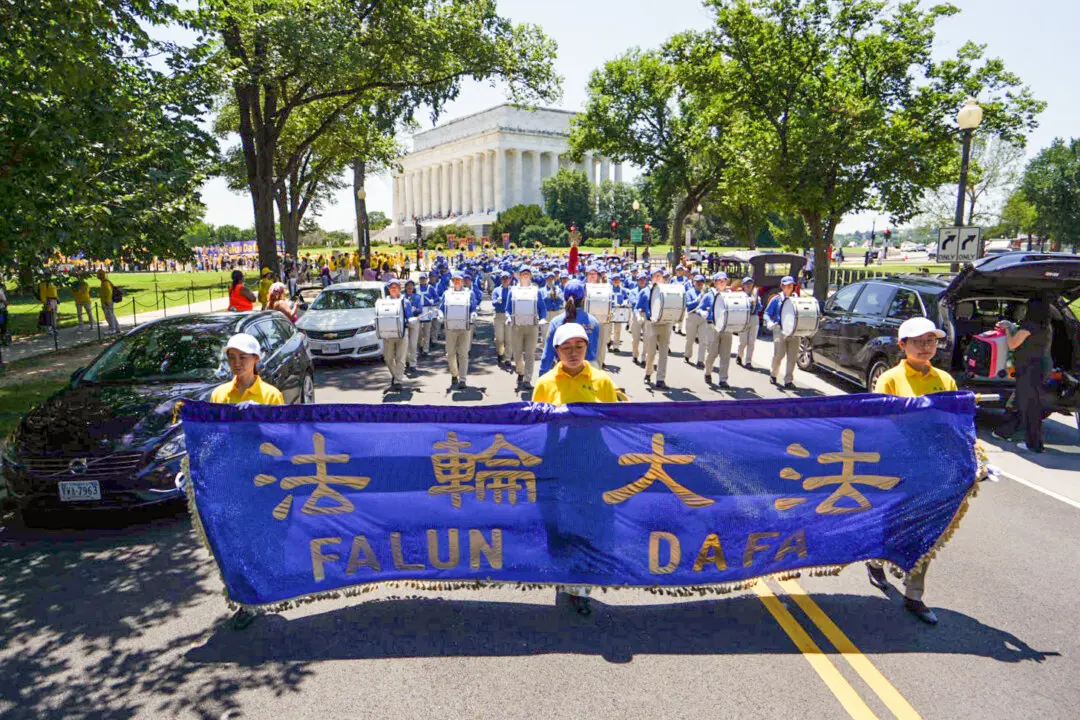
The lawsuit, first filed in 2011 seeking damages from California’s Cisco and two top executives, alleged that the company helped the Chinese Communist Party build an Orwellian surveillance network called Golden Shield that advanced the violent suppression of Falun Gong practitioners in China.
The fate of the case, revived by the U.S. Court of Appeals for the Ninth Circuit in 2023, now rests with the Supreme Court, which in late April will hear Cisco’s bid to stave off the legal liability.
The Falun Gong plaintiffs, which includes a group of Chinese nationals and a U.S. citizen, urges the Supreme Court to allow the suit to move forward. The longstanding case, they argued, will test the United States’ commitment to protecting human rights around the world, especially religious freedom.
Left unchecked, the technology-powered suppression has been broadening over the years, with Christians and other groups at risk, plaintiffs say.

Successive U.S. administrations have pledged to advance this goal and deter Americans from facilitating human rights abuses abroad.
During the George W. Bush era, the State Department stressed the importance of U.S. companies promoting legal and ethical behavior and showing “respect for human rights and labor rights.”
The Obama administration endorsed the U.N. Guiding Principles on Business and Human Rights, which asks enterprises to avoid contributing to abuses through their operations or services.
During the first Trump administration, top officials declared it a priority to protect religious freedom and threatened minorities, creating an alliance dedicated to combating religious persecution worldwide.
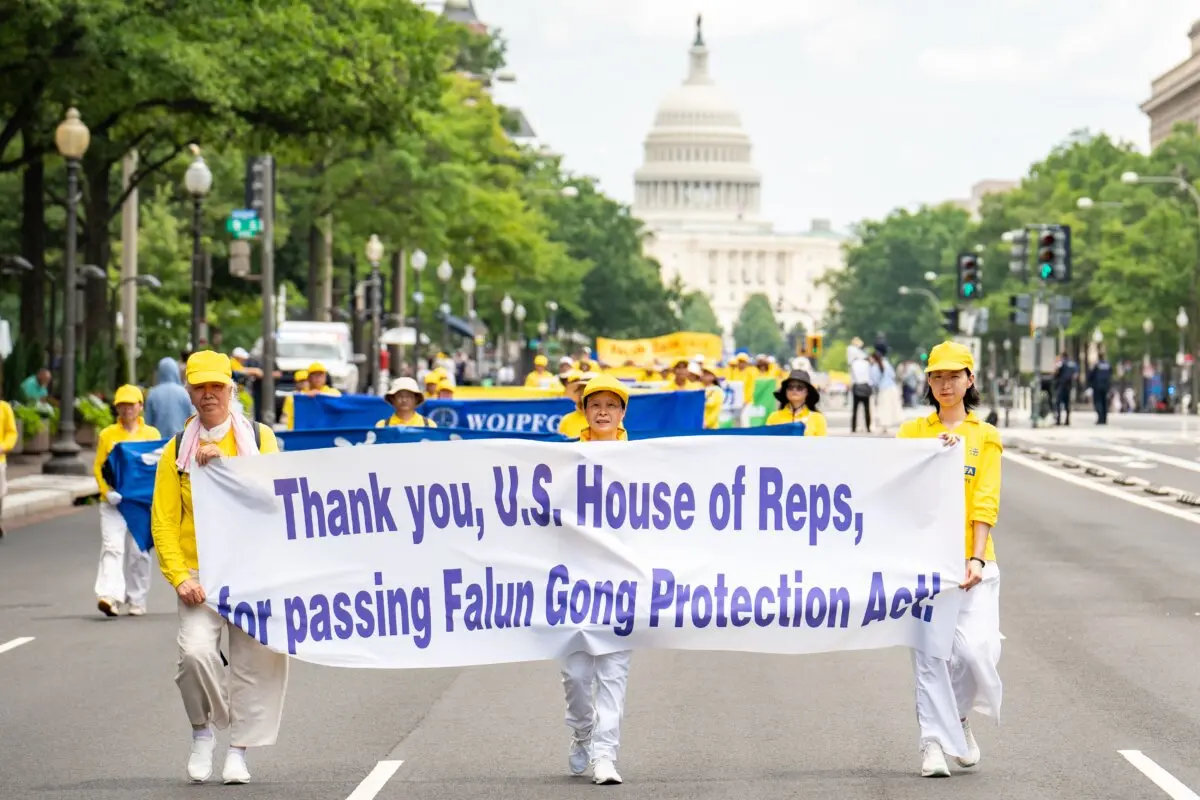
The lawsuit offers the United States a chance to demonstrate its resolve in upholding that commitment, the plaintiffs said.
“When Americans or U.S. entities assist human rights abuses, they subvert U.S. foreign policy goals and risk fracturing U.S. relations with the global community,” they wrote in a March 20 brief.
Central to the case are aiding-and-abetting claims premised under two statues, the 1789 Alien Tort Statute and the 1991 Torture Victim Protection Act, which hold a party accountable for supplying substantial assistance to another party’s misconduct.
In the systematic persecution of Falun Gong, the plaintiffs allege, Cisco “knowingly facilitated torture and extrajudicial killing” by creating sophisticated and customized technology that could be used to identify, track, and forcibly convert Falun Gong adherents. Cisco has denied all wrongdoing.
In 2008, Cisco’s internal presentations were leaked, showing they had targeted Falun Gong, according to Sun Can, a technical expert who has helped with the case.
“We initially focused on the Falun Gong aspects of the system. But among the thousands and thousands of pages that we’ve been scouring through, we found evidence that a lot of the same systems that have been created to target the Falun Gong also apply to other dissidents,” Sun recently told The Epoch Times.
Among these was a work stream in the Golden Shield project related to tracking and surveilling underground Christians.
“It affects every other minority, every other persecuted group in China: the Tibetans, the Catholics, the Christians, the Uyghurs, the Mongolians, the democratic activists,” Sun said of the Golden Shield. He described it as a “very broad surveillance system” allowing the Chinese authorities to control not just dissidents in China, but what they are doing outside Chinese borders.
This network has only expanded with time, said Pastor Bob Fu, founder of Christian human rights organization China Aid.
With increasingly sophisticated technologies and big data, the regime can quickly pinpoint church members on a street corner based on the way they move, he said, and Western technology giants played a role in this “horrible system” coming into being.
Cisco, which has called the allegations unfounded, argued that it was making lawful business sales of internet equipment. It sought to limit the reach of the aiding-and-abetting liability.

But in the two statutes, passed centuries apart, there’s a consistent congressional intent in combating international crimes, the plaintiffs said.
Systematic abuse, they wrote in the brief, requires “significant resources and infrastructure.”
For the Founding Fathers, the scourge of their time was piracy; its “modern equivalent” is torture and extrajudicial killings, and the aiding-and-abetting liability is essential in addressing these, the plaintiffs said.
They added that preventing future abuses requires “holding all culpable actors accountable.”