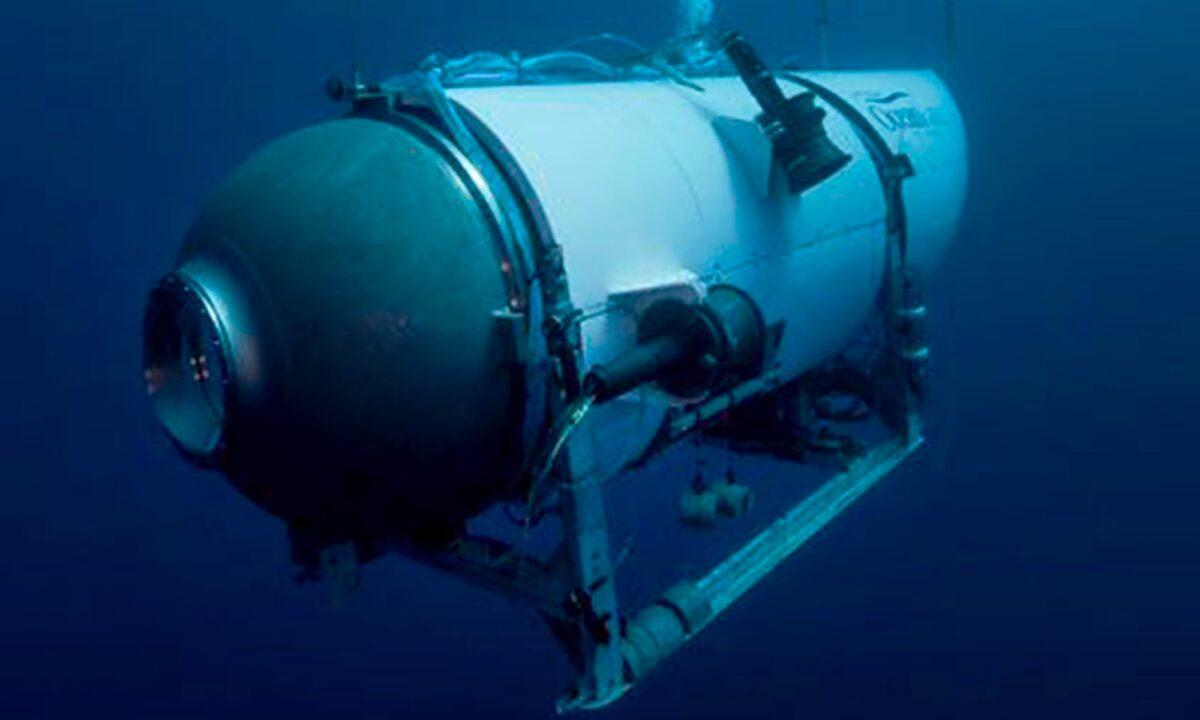
The experimental craft built in 2021 by the private company OceanGate was on an expedition to explore the wreckage in the North Atlantic Ocean on June 18, 2023, when its pressure hull failed.
“We determined that the probable cause of the hull failure and implosion of the submersible Titan was OceanGate’s inadequate engineering process, which failed to establish the actual strength and durability of the Titan pressure vessel,” NTSB reported.
News of the disappearance captured worldwide attention as the public waited days for officials to locate the small vessel, hoping the five on board had survived despite a limited oxygen supply.
The five on board, who each paid $250,000 to get an up-close look at the wreckage, were billionaire Hamish Harding; Pakistani businessman Shahzada Dawood; Dawood’s son, Suleman; OceanGate CEO Stockton Rush; and French diver and Titanic expert Paul-Henri Nargeolet.
The carbon fiber vessel was damaged in dives taken before the tragic descent, NTSB found.
Federal investigators reported the Titan likely sustained damage after it surfaced at the end of its 80th dive. The NTSB report described the damage as “delamination,” or a separation of the layers of the carbon fiber composite material that made up the hull.
Two dives later, the vessel sustained more damage, this time of unknown origin, the report said. On its 88th dive, the damage resulted in a “local buckling failure” that collapsed the hull and led to the implosion.
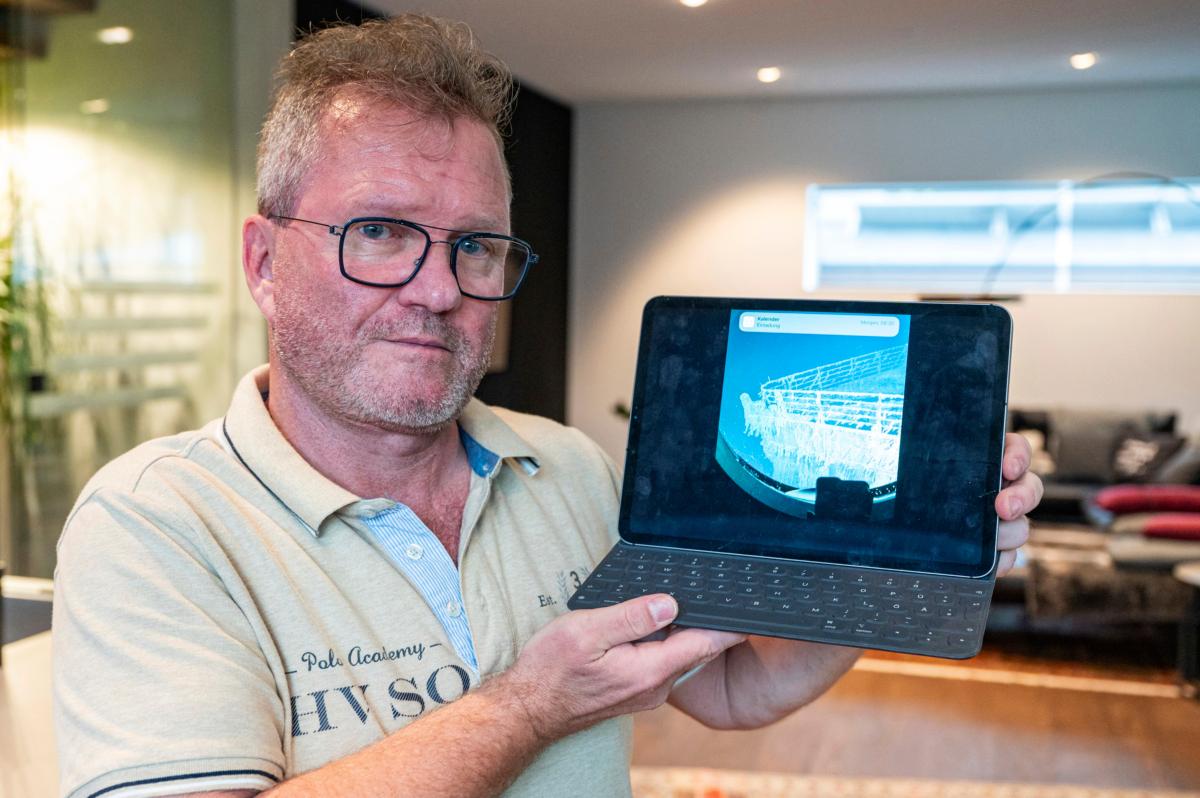
The NTSB found that OceanGate’s engineering process for Titan was “inadequate and resulted in the construction of a carbon fiber composite pressure vessel that contained multiple anomalies and failed to meet necessary strength and durability requirements.”
Investigators say OceanGate didn’t adequately test the Titan and was not aware of the vessel’s actual strength and durability, which likely was much lower than the company’s target. The company was also likely unaware of operational changes, including storage conditions and towing, that could impact the integrity and overall safety of the vessel.
The Titan needed to be immediately removed from service after its 80th dive, the NTSB reported.
The report also faulted OceanGate for not having emergency response plans in place.
“The Titan likely would have been found sooner, saving time and resources even though a rescue was not possible in this case,” the report said.
OceanGate also didn’t notify search and rescue teams about its planned expedition, according to NTSB.
The agency, however, also found that voluntary guidance and regulations for small U.S. passenger vessels are not tailored for Titan-like pressure vessels for human occupancy (PVHO). International standards would ensure consistency in design, construction, and operational requirements around the world, the NTSB noted.
The agency recommended that the U.S. Coast Guard commission a panel of experts to study current PVHO operations and issue findings for the industry. It also recommended that the Coast Guard implement regulations for the vessels and update its safety rules.
The $4.2 million Titan was a total loss, along with the company and its program. OceanGate suspended all commercial and exploration operations shortly after the disaster, according to its website.
OceanGate could not be contacted for comment about the report.