CVS Health’s pharmacy benefit manager Caremark has reached a settlement with the U.S. Federal Trade Commission (FTC) that will change how it handles drug discounts, rebates, and payments made through President Donald Trump’s TrumpRx program.
The FTC said on July 14 that Caremark Rx and Zinc Health Services (collectively Caremark) have agreed to a settlement agreement that requires the pharmacy benefit managers to “adopt changes to its business practices to drive down patients’ out-of-pocket costs, increase transparency and ensure community pharmacies are treated fairly.”
The settlement is expected to bring billions of dollars in savings on drug prices, FTC Chairman Andrew Ferguson said in a statement.
“The FTC under President Trump won’t stand for anticompetitive behavior that drives up prices for American consumers,” he said.
“The settlement with Caremark brings billions in real savings to consumers feeling the pinch from excessive prescription drug prices. And the settlement bars Caremark from interfering with hub pharmacies, which can help identify the lowest out-of-pocket option for patients and improve patient access to prescriptions.”
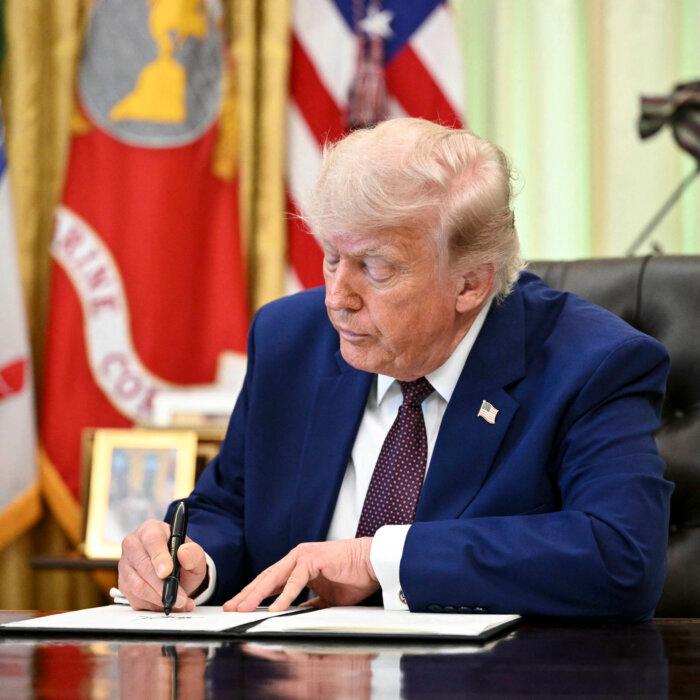
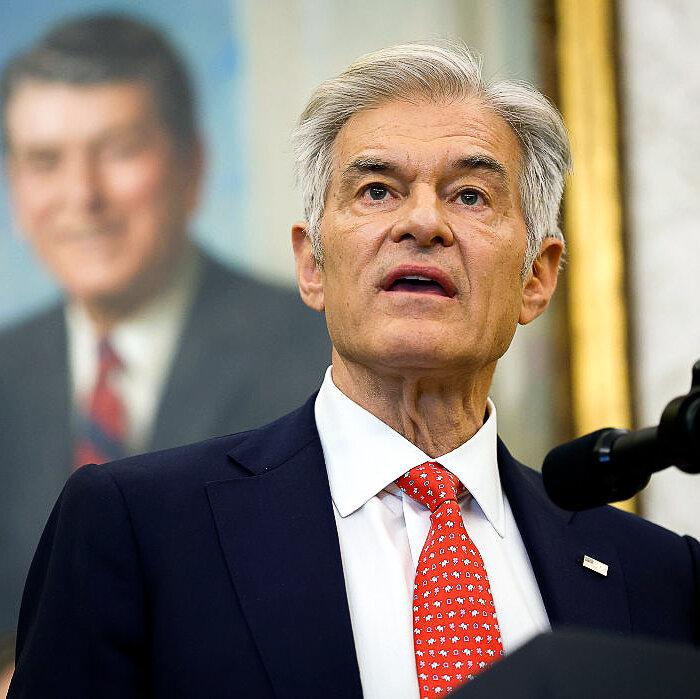
Ferguson said that the “action builds on previous wins for President Trump’s healthcare agenda, including innovations like TrumpRx to make prescription drug prices more transparent and affordable for everyone.”
The FTC’s original lawsuit, launched in 2024, said Caremark, Cigna’s Express Scripts, and UnitedHealth’s OptumRx forced patients to pay higher prices for insulin.
CVS reached a proposed settlement with the regulator in March, and the FTC said the deal was similar to one with Express Scripts.
According to the complaint, this system pushed insulin manufacturers, among others, to compete for preferred formulary coverage based on the size of rebates off the list price rather than net price.
The commission alleged that this practice ultimately benefited the pharmacy benefit managers, which were allowed to keep some or all of the inflated rebates as well as fees paid by drug manufacturers that were based on the list price.
The inflated list prices hurt patients whose out-of-pocket payments, such as copays and coinsurance, are tied to the list price of the drug, the FTC’s complaint alleged.
Under some of the terms of the FTC’s proposed consent order settling the case, Caremark will be required to stop discriminating against low wholesale acquisition cost versions of a drug.
Small pharmacies would also be given the option to be reimbursed for the actual cost of drugs they dispense plus a fee, in a bid to address complaints that pharmacy benefit managers do not fully reimburse independent local pharmacies.
In a July 14 statement, CVS Caremark said the settlement “resolves all outstanding FTC litigation and investigations related to CVS Health.”
“CVS Caremark remains committed to lowering costs and bringing greater transparency to prescription drug pricing,” said Ed DeVaney, Executive Vice President, CVS Health and President, CVS Caremark.
The company said that it would expand affordability programs for medicines, including a new offering that will cap members’ insulin costs at $25 per month.
Dr. Mehmet Oz, administrator of the Centers for Medicare and Medicaid Services, said in a press briefing on June 2 that the number of drugs available on TrumpRx for direct consumer purchase is now 750.
“It’s a transparency site. It gives everybody the ability to make important decisions about medications they’re purchasing with full knowledge of what the cost of those medications are,” Oz said.
For example, GLP-1 medications, which are commonly used to treat diabetes or for weight loss, were made available to Medicare beneficiaries for $50 per month beginning July 1, Oz said.