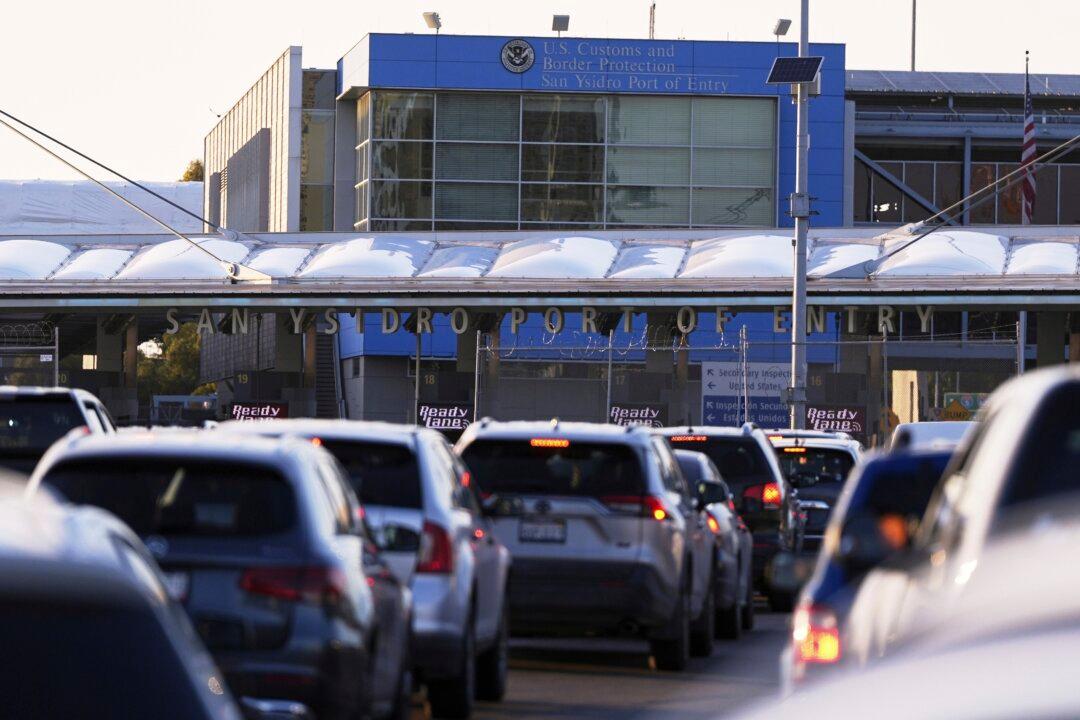
U.S. small-business sentiment increased in June, but the share of owners reporting that inflation was their “single most important” problem was the highest in nearly two years.
The National Federation of Independent Business (NFIB) said on July 14 that its Small Business Optimism Index rose 2.1 points in June to 97.4, nearing its 52-year average of 98.
It said that expectations for better business conditions and real sales expectations “improved substantially and primarily drove the rise in the Index.”
However, its Uncertainty Index fell two points from May to 89, remaining well above its historical average of 68.
Part of its key findings found that 21 percent of business owners cited inflation as their single “most important business problem,” up three points from May and marking the highest reading since October 2024. Inflation ranks as the top problem.
“Current economic conditions present small business owners with both encouraging developments and ongoing challenges,” said NFIB chief economist Bill Dunkelberg.
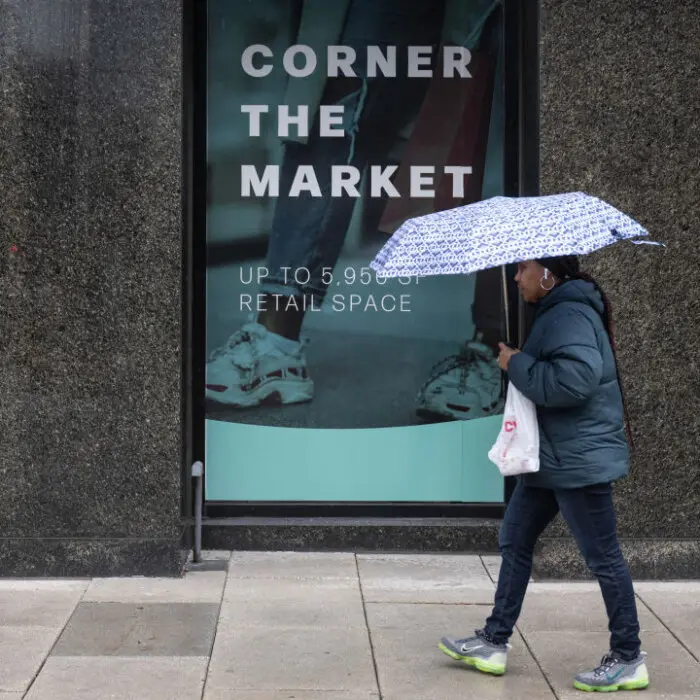
“Lower fuel costs provide welcome relief for businesses as well as consumers, with firms anticipating improved operating conditions over the next six months. While there have been improvements in the overall environment, high interest rates and modest economic growth are causing owners to approach hiring and capital spending with caution.”
NFIB said there was “good news on the forward-looking inflation metric” as the share of owners planning to raise prices in the near future declined.
“Looking forward to the next three months, a net 32 percent (seasonally adjusted) plan to increase prices, down 2 points from May’s highest reading since July 2022,” it said.
“The net percent of owners expecting better business conditions in the next six months rose 10 points in June to a net 13 percent (seasonally adjusted), improving for the first time this year.”
It said that in the first half of this year, a total of 1,663 Subchapter V bankruptcy filings were made, up from 1,107 filings in the first half of 2025.
“The increase in bankruptcy filings over the past year, particularly among small businesses, reflects ongoing financial pressures facing households and employers,” ABI Executive Director Amy Quackenboss said in a statement.
“Higher borrowing costs, increasing expenses, and geopolitical volatility are leading more debtors to turn to the bankruptcy system to restructure obligations and pursue a financial fresh start.”
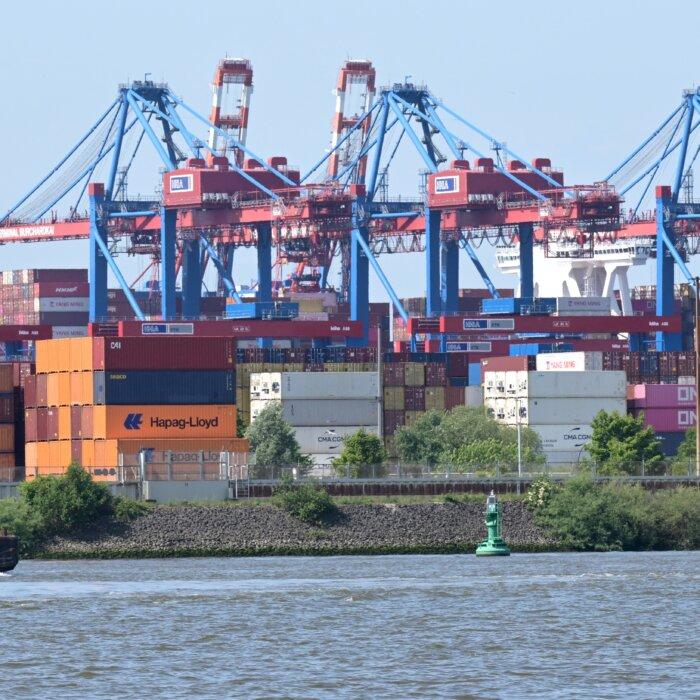
The net balance of German businesses expecting activity to increase over the next 12 months fell to 10 percent in June from 24 percent in February, its lowest level since October 2024.
Phil Smith, economics associate director at S&P Global Market Intelligence, said the war in the Middle East has taken a toll on Germany’s near-term growth prospects and “put paid to some of the burgeoning optimism seen at the turn of the year.”
“But perhaps the most eye-catching insight from the latest business outlook data is that firms are planning sizeable job cuts in the coming 12 months,” he said.
“Excluding the pandemic, German firms are their most bearish about employment since the global financial crisis.”
Confidence toward future output was particularly low among Germany’s manufacturers, with optimists (26 percent) barely outnumbering pessimists (23 percent).
They said that sentiment was the “gloomiest” since October 2023.
Among the 12 countries covered by comparable S&P Global surveys, only France was less optimistic, with a net balance of 6 percent. U.S. companies were the most upbeat, at 37 percent.