California is cracking down on extreme speeding in a move that could lead to faster license revocation for drivers exceeding 100 mph on highways, according to the California State Transportation Agency.
The DMV will review each case and the person’s driving history to determine the penalty, which may include “suspension or revocation of driving privileges,” before the person is even scheduled for court.
CHP cites roughly 1,600 individuals each month for driving 100 mph or faster. In 2024, the CHP issued a total of more than 18,000 citations for extreme speeding, the DMV stated.
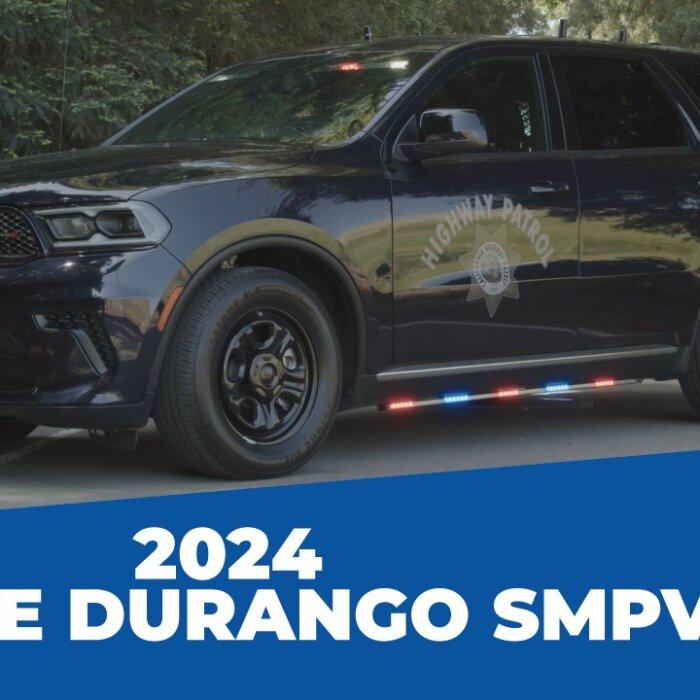
In May 2025, the CHP adopted a fleet of 100 low-profile patrol cars, allowing officers to blend in with traffic better and spot reckless behavior. During the following six months, CHP officers driving these cars issued close to 33,000 speeding tickets across the state, according to the DMV.
“Driving over 100 miles per hour is not a mistake; it is a reckless choice that endangers everyone on the road,” said CHP Commissioner Sean Duryee in the DMV press release. “This new program delivers swift consequences to keep dangerous drivers off California’s roadways before their actions cause irreversible harm.”
The DMV stated that the process of penalizing drivers through the legal system is often lengthy. Once a driver is cited for extreme speeding, the citation is sent to the courts for processing.
Drivers who are cited for speeding can also receive additional citations for other violations that may result in jail time, including reckless driving or causing bodily injury to others on the road.
The new DMV–CHP pilot program is “designed to act more quickly” than the court system, according to the DMV.
The state reported speeding as a “major factor in traffic deaths statewide,” as it contributes to about a third of traffic fatalities, according to the transportation agency.
The state allocated $7 million to the Los Angeles Department of Transportation to help fund safety upgrades along Avalon Boulevard, and invested over $191 million for safety improvements along State Route 91, the state transportation agency stated on its website.
The improvements may include automated speeding detection cameras, high-visibility traffic markings, redesigning intersections to reduce conflicts, and upgrading infrastructure for safe walking and biking, in addition to promoting community engagement and law enforcement partnerships.
At that time, the agency said it set an “interim goal to cut deadly and serious injury crashes” by 30 percent by 2035.
The agency said the DMV will compare citation and outcome data to evaluate the effectiveness of the CHP–DMV pilot program in reducing car crashes.