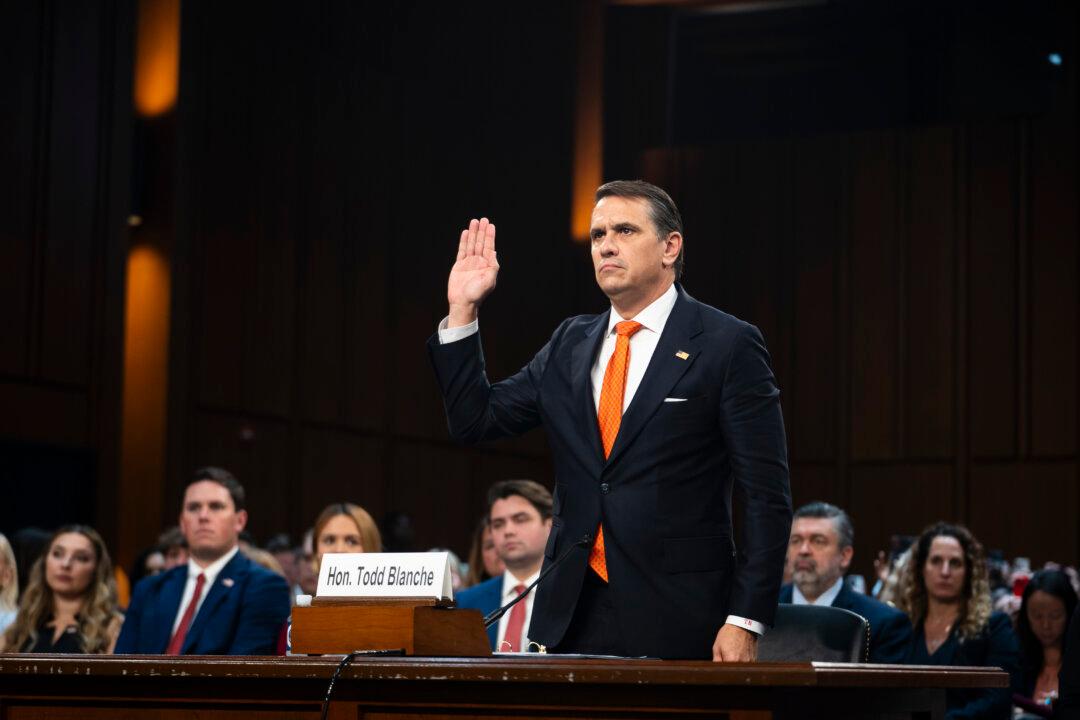
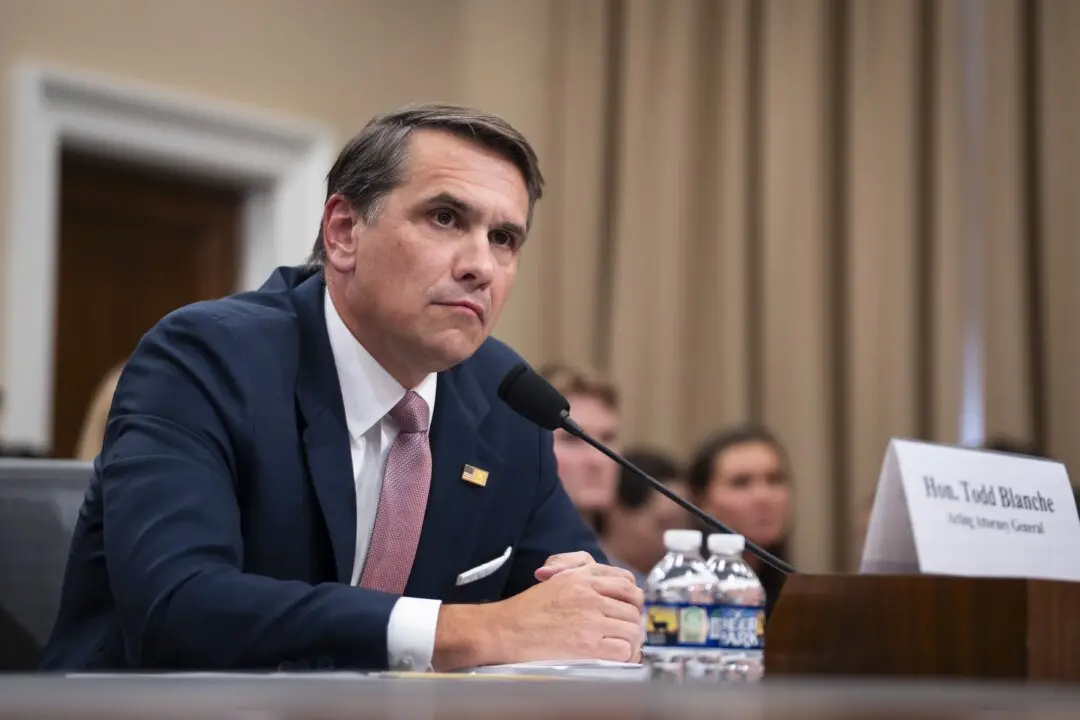
In recent weeks, attorneys general in at least three states have told retailers to remove kratom products from their shelves.
The orders in Connecticut, Alabama, and Missouri follow Texas Attorney General Ken Paxton’s February lawsuit accusing a smoke shop of selling kratom products that are almost 50 times more potent than state law allows.
Actions by those four attorneys general represent some of the latest salvos in America’s escalating battle over how to handle the controversial herbal product that comes from a Southeast Asian plant.
Kratom, an opioid-like substance—often marketed as a natural mood-booster—is not subject to federal regulation, although some states and localities have banned or restricted sales of kratom over concerns that it can be harmful.
While Connecticut outlawed kratom just last month, Alabama outlawed it a decade ago.
Despite Alabama’s ban, independent laboratory testing found kratom compounds “in products currently on store shelves across the state,” according to a March 25 statement from Alabama Attorney General Steve Marshall.
“Product labels for these items may not fully disclose all ingredients,” Marshall said.
Therefore, people might unknowingly be buying a controlled substance that puts them “at risk of experiencing adverse health events” if they ingest it, the statement said.
At least seven states have banned kratom, and 18 have restricted it, according to Kratombans.com. In addition, 38 localities have enacted restrictions. Those include several places in Missouri, such as Kansas City.
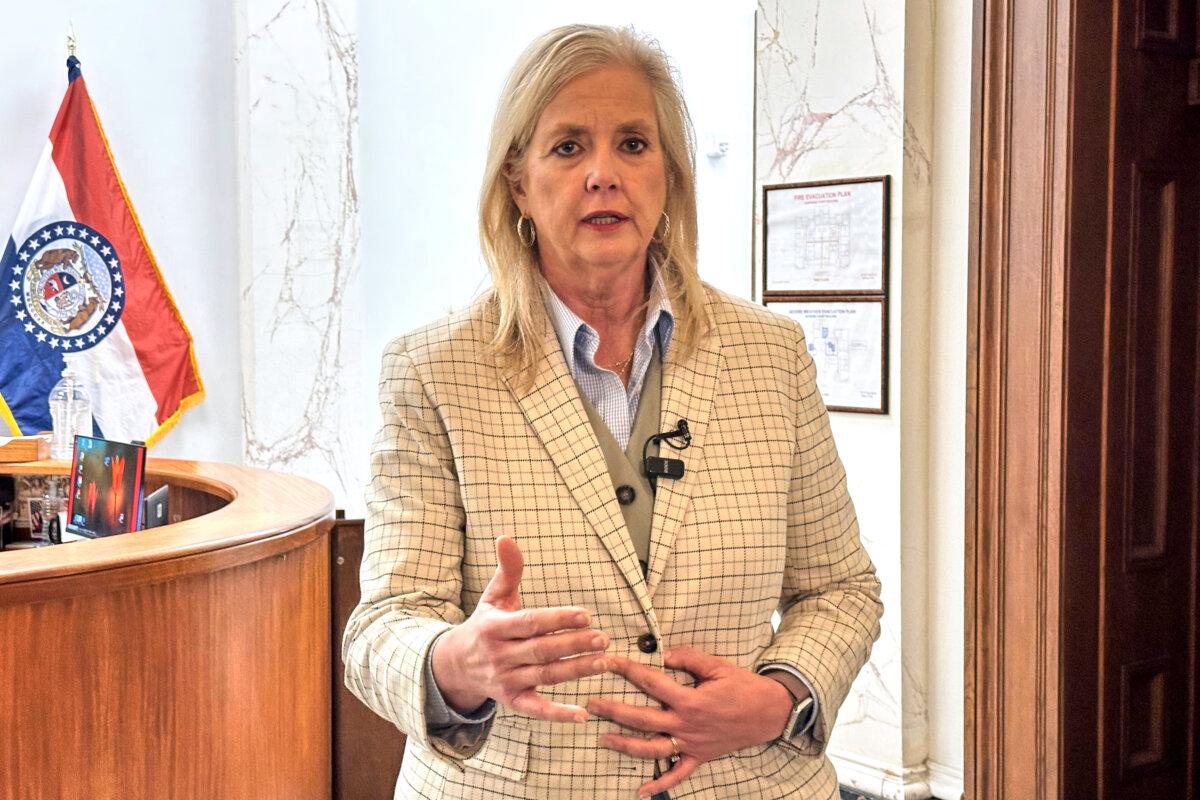
State lawmakers and regulators in Missouri and elsewhere have been debating how to handle kratom in their states. Meanwhile, Missouri Attorney General Catherine Hanaway has taken action.On April 7, she told retailers: “Remove dangerous kratom opioid products from your shelves immediately.”
“These drugs are dangerous, addictive, and unregulated,” Hanaway wrote on X.
She announced last November that her office had launched a statewide investigation into allegedly deceptive and unsafe practices related to manufacturing, distributing, and selling kratom products.
Hanaway has demanded that nearly two dozen businesses provide her office with records to aid her investigation; failure to comply could result in a misdemeanor criminal charge, her office said in a letter sent to businesses last fall.
And Hanaway, like Paxton, recently filed a civil lawsuit over kratom. Hanaway accuses several companies of “unlawfully manufacturing and selling deadly 7-OH.” That is a synthesized, altered version of a compound extracted from kratom.
Even without a specific statewide kratom law in place, Hanaway’s statement said she believes that some kratom businesses have committed deceptive marketing and sales practices, violating the Missouri Merchandising Practices Act.
Kratom is often sold at smoke shops and gas stations, even though the Food and Drug Administration has not approved it for any use. The federal agency considers kratom to be “a new dietary ingredient for which there is inadequate information” that would prove it is reasonably safe.Users hail kratom for easing opioid addiction and managing pain. But critics warn it can be addictive, and may cause illness or death, especially when combined with other substances.