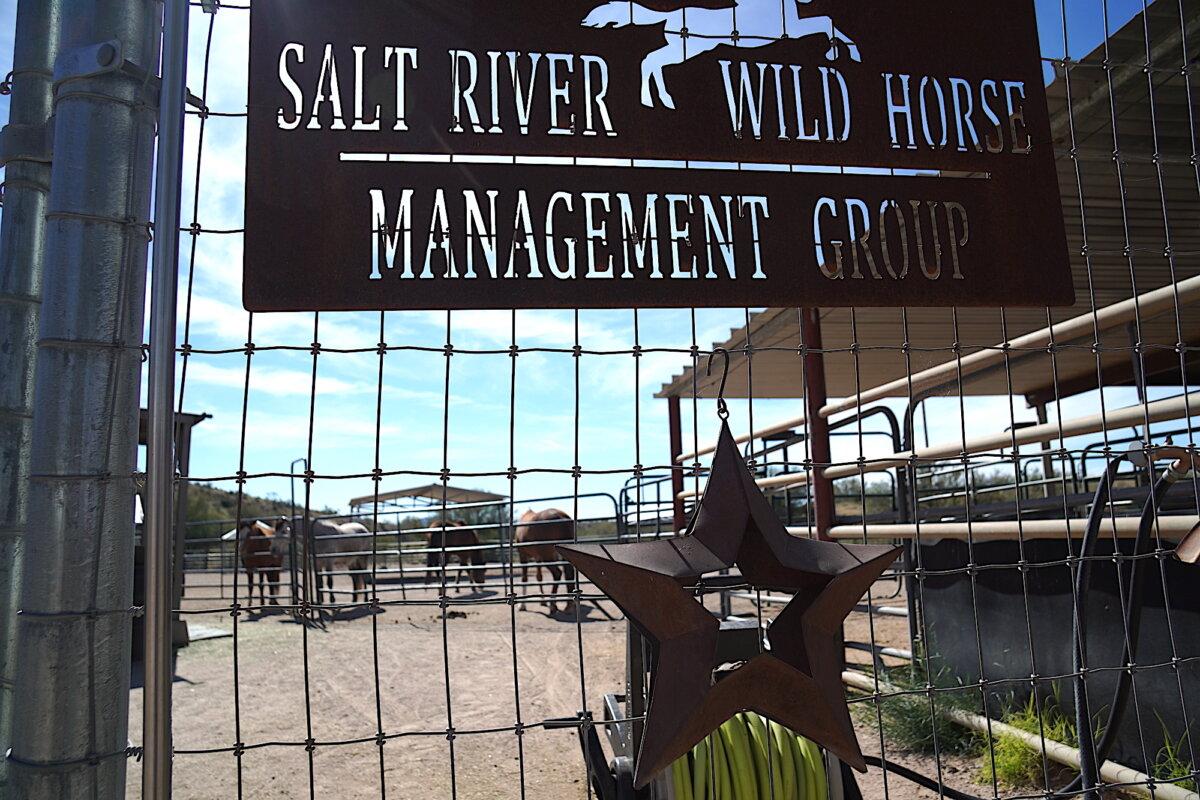
FORT MCDOWELL, Ariz.—A nonprofit group that oversees the last free-roaming Salt River wild horses in Arizona’s vast Tonto National Forest has received a state contract to continue humanely managing the herd, which includes reducing the herd by more than half over the next five years.
In 2025, the Arizona Department of Agriculture issued a request for proposal with a state mandate to reduce the Salt River herd using humane methods.
On Feb. 13, the Arizona Department of Agriculture (AZDA) approved a proposal by nonprofit SRWHMG to gradually reduce the Salt River herd to 120 from 274 by Dec. 31, 2030
It protects the herd’s long-term sustainability, addresses impacts to the Tonto National Forest ecosystem, aligns with Arizona statutes, and preserves public trust.
“SRWHMG’s approach represents a strategic compromise that balances ecological sustainability, genetic viability, and public values while upholding the intent of the Salt River Horse Act,” the plan states.

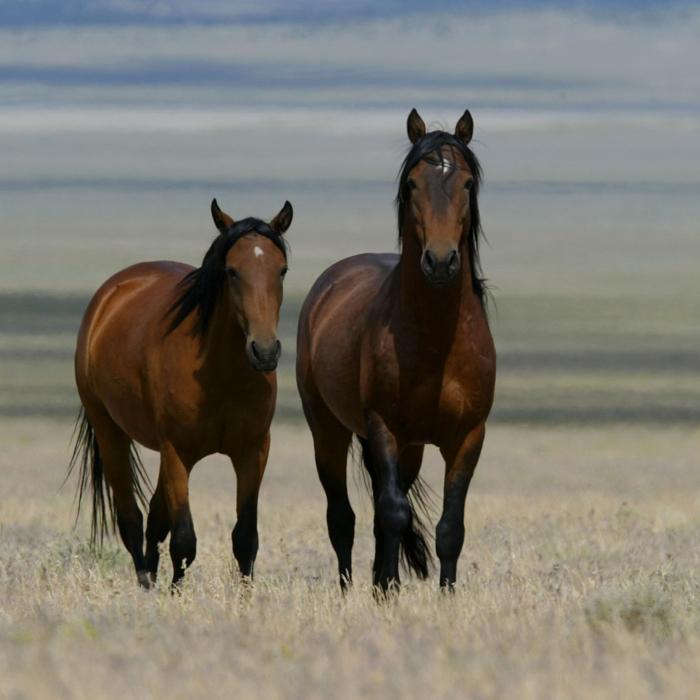
The Salt River Horse Act, enacted in 2017 and signed by former Gov. Doug Ducey, protects the Salt River horse herd from harm or harassment.
Humane Removal
AZDA said the selection process included a panel of veterinarians, a rangeland management scientist, and a federal wild horse manager, according to an email to The Epoch Times.The panel reviewed both proposals from the request for proposal process and assessed how each aligned with the goals of sustainable herd management.
The agency said the management plan introduces new protections for horses that leave the management area.
Only AZDA-approved sanctuaries will be allowed to take in relocated horses.
“The overall goal of the plan is to meet AZDA’s statutory obligation to humanely manage the Salt River horse herd and to ensure the herd’s sustainability for future generations to enjoy,” the agency stated.
The department will monitor the project to fulfill its legal responsibility to care for the Salt River horse herd.
On May 21, 2025, it canceled the first request for the Salt River wild horse removal contract because of procurement issues and reopened the bidding process.
The management group submitted a proposal that supports the state’s goals for humane horse herd reduction and does not require any state funding.
The approved contract recorded 274 Salt River wild horses—132 stallions and 142 mares—with an average age of 11. The herd grew to its largest size of 463 after 109 foals were born in 2019.
These animals make their home in the Salt River Horse Management Area, a 19,000-acre section inside the larger Tonto National Forest, which spans 2.9 million acres.
Many people see them in a stretch of 10 to 12 miles along the Salt River.
“We knew [AZDA] didn’t want more than 100 horses, so we made our proposal for [a target herd population of] 120 horses,” Simone Netherlands, founder and president of SRWHMG, told The Epoch Times. “We pushed it as far as we could. And then we said we will do 25 a year for five years.”
Netherlands said the group found itself “between a rock and a hard place.”
“We had to compromise,“ she said. ”There was no other way.”
The removal plan ensures ongoing fertility control, considering natural attrition, rescued and rehabilitated animals, and humane relocations.
But advocacy groups such as American Wild Horse Conservation think that the plan could harm the long-term survival of the Salt River horse herd.
“While the Salt River Wild Horse Management Group will remain in charge of managing the herd, horses will now be removed from the Lower Salt River and relocated to sanctuaries for the first time since state protections were enacted in 2017,” the organization said in a post on Facebook.
“This new removal plan raises serious concerns about genetic viability, long-term stability, and the future of these horses, who draw visitors from around the world and are deeply cherished by Arizonans.”
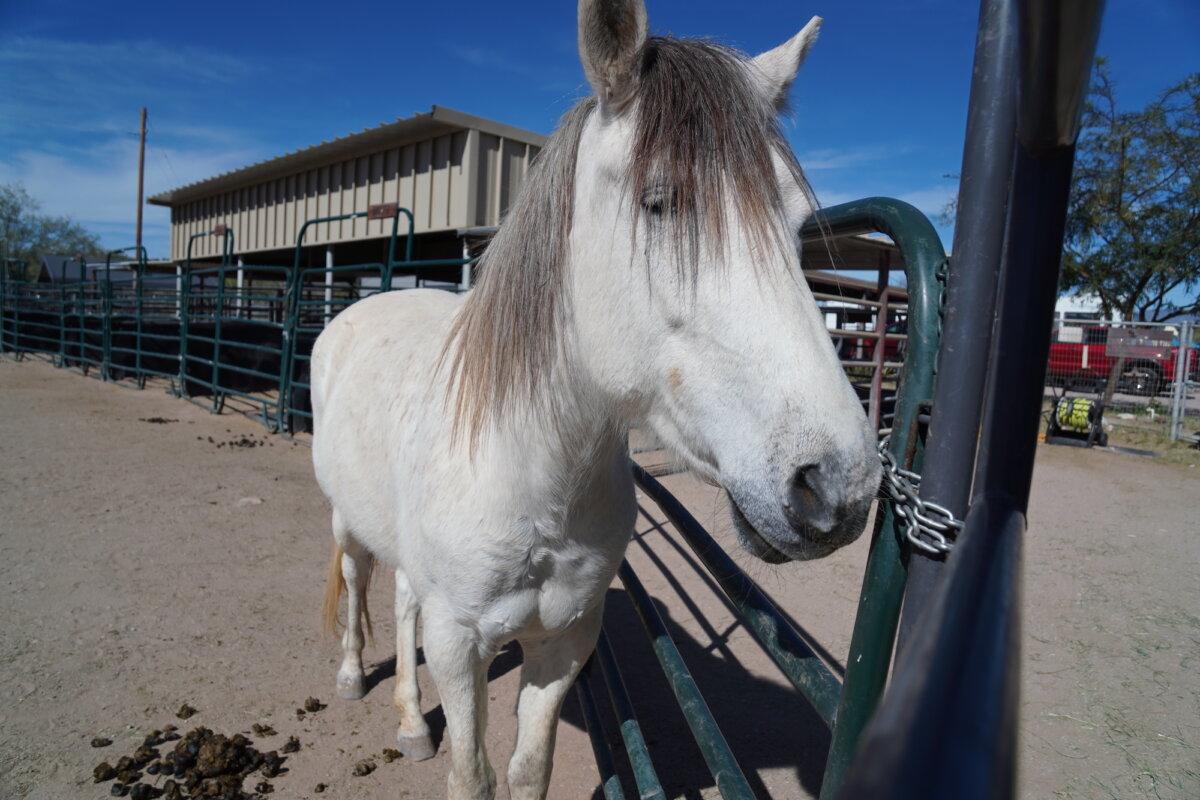
The group runs sanctuaries in Prescott and Fort McDowell, Arizona, where it cares for about 15 rescued wild horses.
Federal Protection
Under the 1971 Wild Free-Roaming Horses and Burros Act, the Bureau of Land Management (BLM) is responsible for protecting wild horses and burros at the federal level, including by removing excess animals to keep the land healthy and productive.On March 1, 2024, the bureau counted roughly 73,520 wild horses and burros roaming the public lands under its care, a noticeable drop of 9,363 from the previous year.
Because of challenges with aerial surveys and estimation, the BLM believes that the true number of animals could range from 63,432 to 85,249.
“Protecting and managing wild horses and burros on public lands is a responsibility that the BLM takes extremely seriously,” said BLM Director Tracy Stone-Manning in a statement.
“By addressing overpopulation, we are not only ensuring the long-term well-being of wild horses and burros but also safeguarding the delicate balance of our ecosystems for the benefit of all wildlife and the health of our public lands.”
The SRWHMG stated that for the first time, AZDA’s 2025 request for proposals for the herd-reduction contract requires humane removal.
On Aug. 30, 2024, the U.S. Department of Agriculture sent a letter to AZDA Director Paul Brierley requesting a new plan to manage the Salt River herd.
The federal agency said the plan should focus on protecting resources and using humane scientific methods.
According to the letter, the plan proposed on Feb. 3, 2023, was progressing too slowly. The agency also said excessive grazing was hindering the regrowth of native grasses in affected areas.
By using humane population control, the management group has reduced the number of Salt River horse births to one or two foals per year from about 100 per year.
“SRWHMG needed to include the removal requirement in their proposal, or risk losing the contract to a competitor with a very different management approach,” the nonprofit’s website states.
Task at Hand
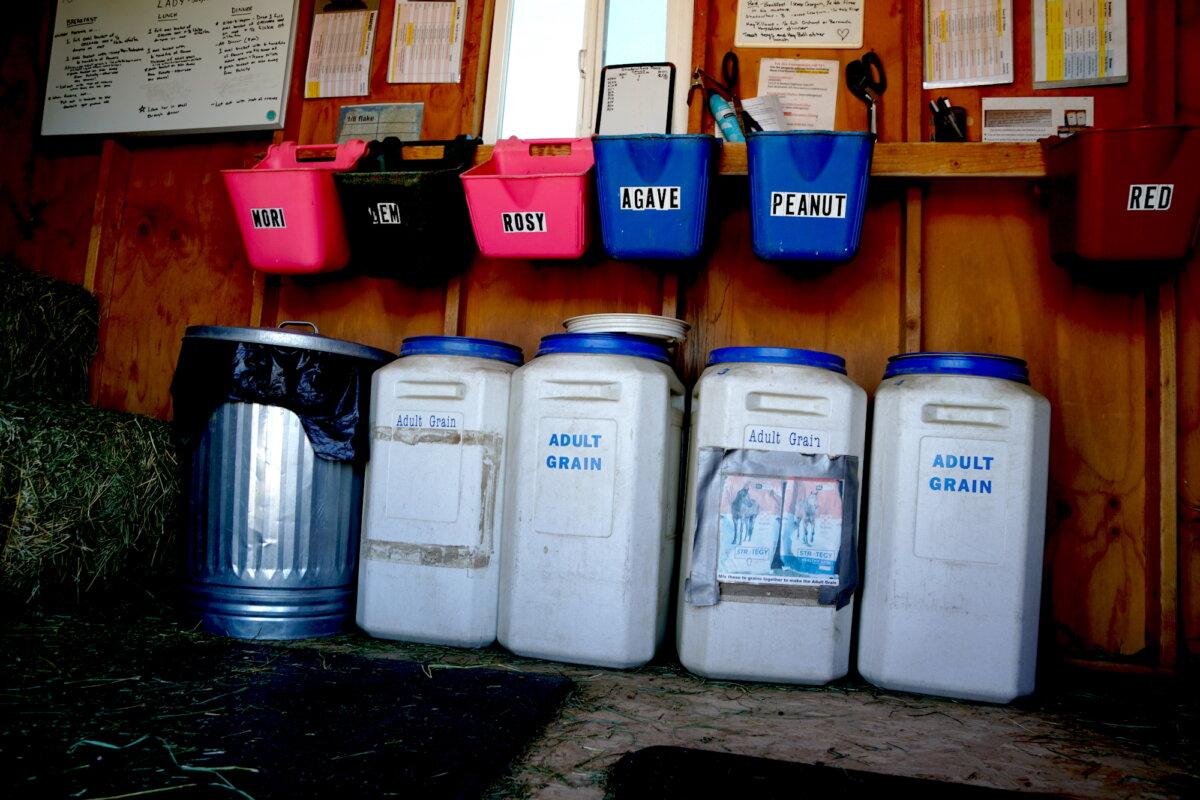
The group has managed the Salt River horse herd under contract since 2018. Volunteers say these horses have lived in the Tonto National Forest for centuries.
With fewer than 1,000 wild horses left in Arizona, the group said it believes that it is important to make thoughtful choices about these historic animals for future generations.
The nonprofit relies entirely on public donations. The removal contract provides no payment, and no government grants are available.
“The Salt River wild horses have value,” SRWHMG stated. “They hold great scientific, historic, ecological, emotional, and economic value.”
Netherlands said: “We care about each and every Salt River wild horse, and we know the public does too. We thank the AZDA for making the right decision and trusting us to continue their humane management.”