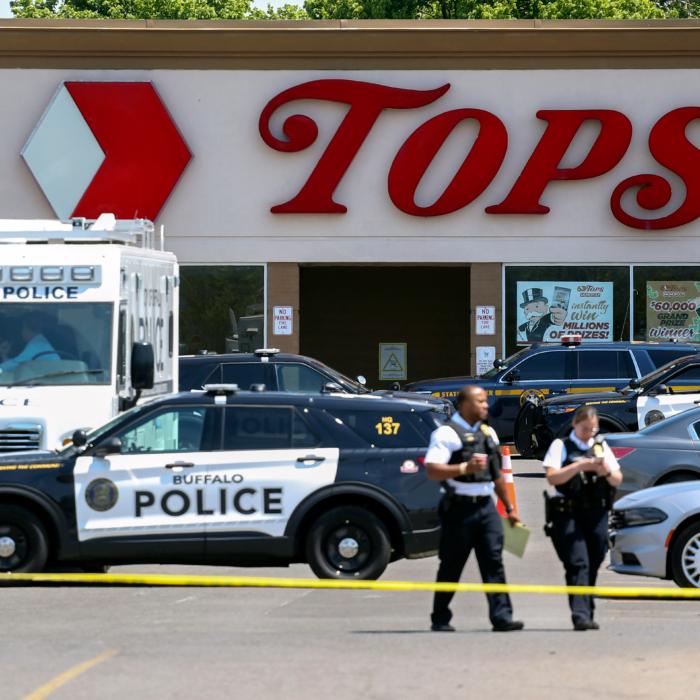
A New York appellate court on July 25 dismissed a lawsuit filed against Meta, Google, and several other social media and Internet-based companies that arose out of a 2022 mass shooting at a grocery store in Buffalo, New York.
The defendants include Meta Platforms’ Facebook and Instagram, as well as Snap, Alphabet, Google, YouTube, Discord, Reddit, Twitch, Amazon, and 4Chan Community Support—all of which were used by the shooter before or during the attack.
Writing for a 3–2 majority, Judge Stephen Lindley stated that the companies are entitled to immunity provided under Section 230 of the federal Communications Decency Act, a federal law that protects social media platforms from liability for content posted by their users.
“While everyone of goodwill condemns the shooter’s actions and the vile content that motivated him to assassinate Black people simply because of the color of their skin, there is in our view no reasonable interpretation of section 230 that allows plaintiffs’ tort causes of action to survive as against the social media defendants, who are entitled to immunity under the statute as the publishers of third-party content on their platforms,” Lindley wrote.
Judges Tracey Bannister and Henry Nowak dissented, stating that the companies used machine-learning algorithms to push specific content to users, based on what was most likely to keep them engaged on the platform.
“Some receive cooking videos or videos of puppies, while others receive white nationalist vitriol, each group entirely ignorant of the content foisted upon the other,” the justices wrote.
“Such conduct does not ‘maintain the robust nature of Internet communication’ or ‘preserve the vibrant and competitive free market that presently exists for the internet’ contemplated by the protections of immunity, but rather, only serves to further silo, divide and isolate end users by force-feeding them specific, curated content designed to maximize engagement.”
The social media companies did not respond to a request for comment.
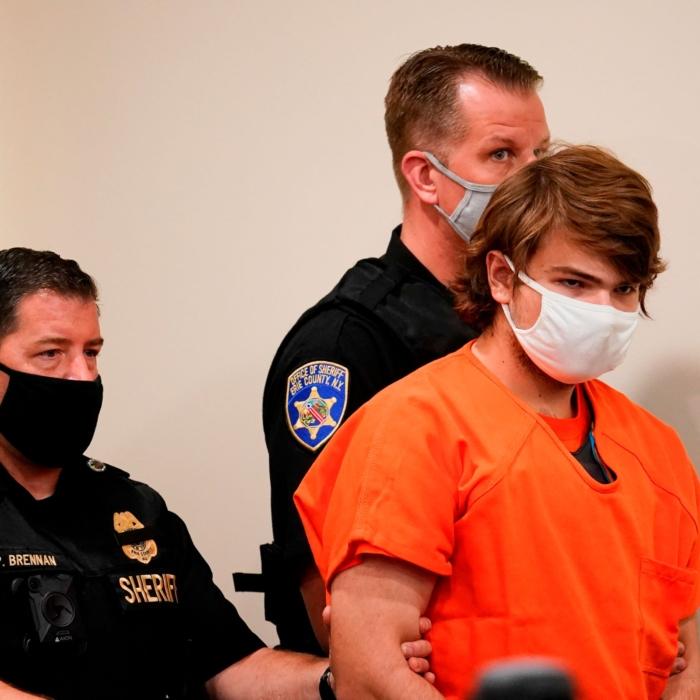
The plaintiffs had argued in their lawsuit that the companies’ content-recommendation algorithms addicted Gendron to the social media platforms, resulting in his “isolation and radicalization,” ultimately causing him to carry out the shooting.