Members of a federal appeals court on June 17 questioned what role courts should have in reviewing President Donald Trump’s authority to deploy the National Guard and U.S. Marines to Los Angeles.
The three-judge panel of the San Francisco-based U.S. Court of Appeals for the Ninth Circuit is considering the Trump administration’s bid to extend a pause it issued on June 12.
The appeals court did not provide details regarding its legal rationale when handing down that ruling.
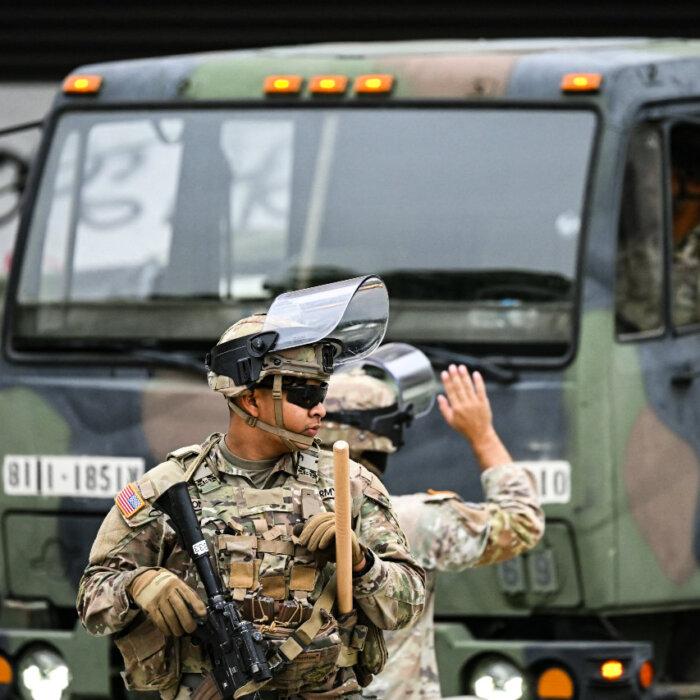
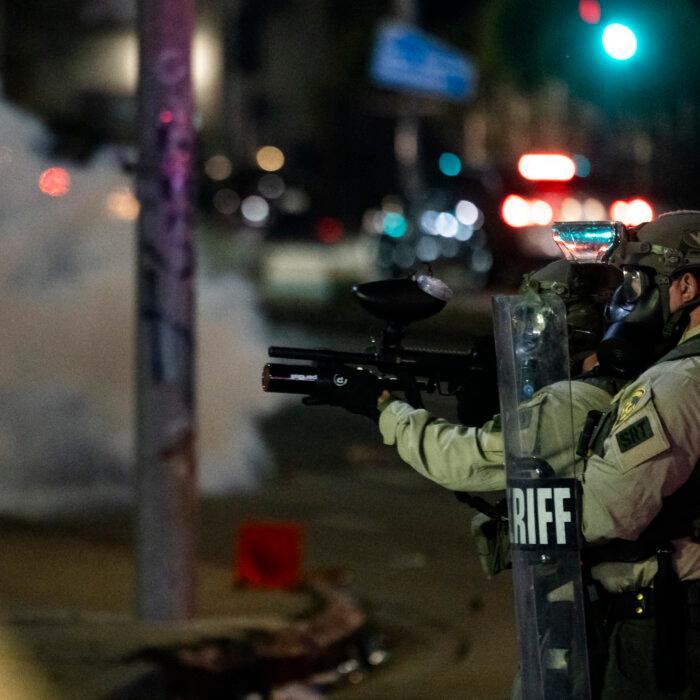
The president deployed National Guard troops to the longtime sanctuary city earlier in June amid protests over Immigration and Customs Enforcement (ICE) operations.
During the June 17 hearing, the members of the judicial panel did not immediately rule on the administration’s request to extend that pause but pressed lawyers on both sides on whether courts could review Trump’s decision.
Ninth Circuit Judge Mark Bennett began the hearing by asking Department of Justice lawyer Brett Shumate whether the department’s position is that the courts have no role in reviewing the president’s decision to call the National Guard.
“There is no role for the court to play in reviewing that decision,” Shumate said. “The statute says the president may call on federal service members and units of the Guard of any state in such numbers that he considers necessary.”
Shumate noted the protests remain ongoing in Los Angeles and said the National Guard is necessary to protect federal officers and buildings.
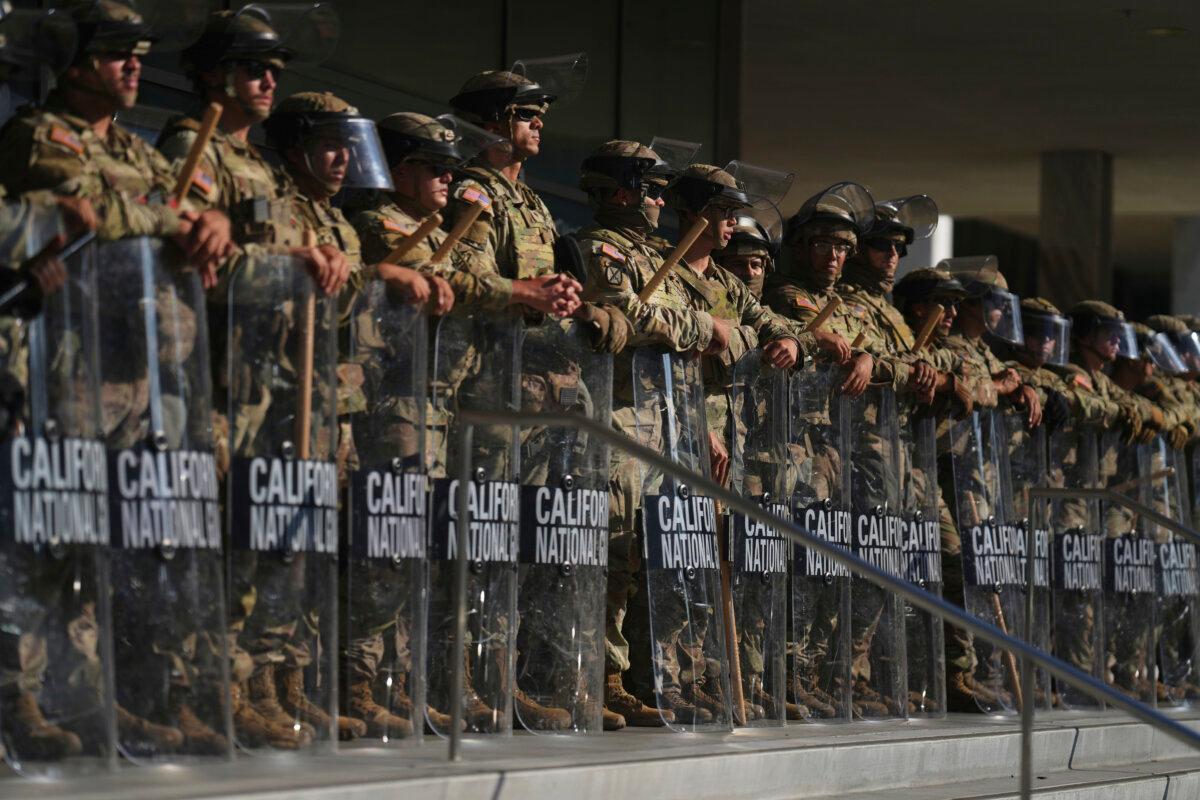
The law allows the president to place National Guard troops in federal service if “there is a rebellion or danger of a rebellion against the authority of the Government of the United States” or if the United States “is invaded or is in danger of invasion by a foreign nation.”
The judge said Trump’s actions both exceeded the scope of his statutory authority and violated the 10th Amendment of the U.S. Constitution.
“He must therefore return control of the California National Guard to the Governor of the State of California forthwith,” Breyer wrote.
His order, before it was stayed by the appeals court, allowed Newsom to take control of the National Guard while the governor’s lawsuit against the administration proceeded.
Trump also ordered 700 Marines to the city after deploying the National Guard. Breyer has not yet ruled on the legality of the Marines’ mobilization.
During the June 17 hearing, Samuel Harbourt, the lawyer representing California, said that blocking Breyer’s ruling would “profoundly injure the state of California and our nation more generally.”
“It would allow defendants to further escalate tensions and the risk of violence in the city of Los Angeles,” Harbourt said. “And it would defy our constitutional traditions of preserving state sovereignty, of providing judicial review for the legality of executive action, of safeguarding our cherished rights to political protest and of keeping the military.”
Shumate disagreed, saying that only Trump has the authority to determine whether the National Guard should be called in. He said his failure to include Newsom in the decision was at most a “technical violation” of the statute.
“The governor is merely a conduit, not a roadblock or a core executive, when the president decides it’s necessary to call out the Guard,” Shumate said.