Smuggling animals across the southern border poses a risk of transmitting the flesh-consuming New World Screwworm parasites into the United States, U.S. Department of Agriculture (USDA) Inspector General John Walk warned in a recent press release.
Walk made the comments while on a visit to Brownsville, Texas, where he met with federal officials to discuss the threat of animal smuggling, according to the July 6 statement from the USDA’s Office of Inspector General (OIG).
“Federal officials discussed the need for heightened awareness to animal smuggling and transporting of animals across the southern border in violation of USDA requirements due to New World screwworm (NWS),” Walk said.
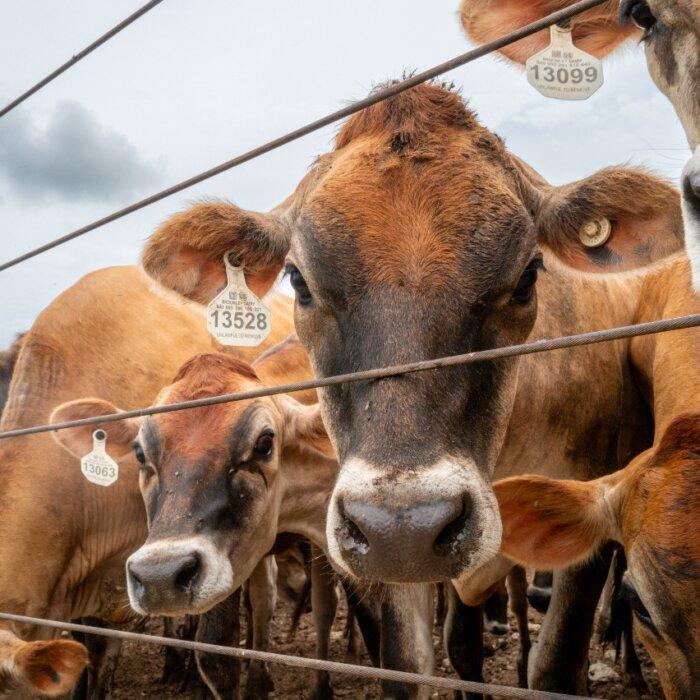
The USDA had temporarily restricted the import of live cattle, bison, and horses across the U.S.–Mexico land border ports. The ban, in effect since last year, was implemented “due to the continued northward movement of NWS,” the USDA said.
In addition, “importation of bovine germplasm, sheep and goats and their germplasm, and swine and their germplasm from Mexico remains prohibited,” it said.
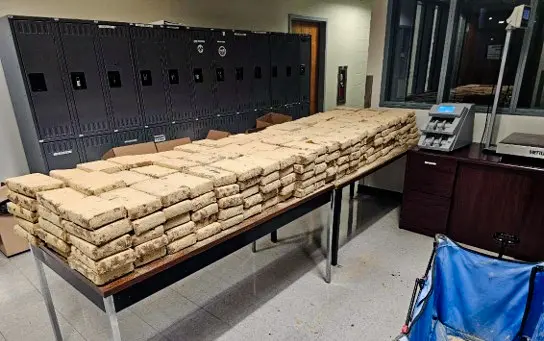
In its statement, the OIG said that animal smuggling can take many forms, including cattle trafficking by organized criminal groups and smuggling animals bred for fighting competitions or for sale in the black market of exotic pets.
During their discussion, officials discussed ways to strengthen collaboration to deter animal smuggling and hold criminals accountable for such activities.
Walk said that the OIG’s oversight on animal health and welfare violations becomes critical in the current context of NWS parasites’ emergence.
A single female fly can lay up to 3,000 eggs in its lifetime. A large swarm poses a significant risk to cattle farmers.
“Smuggling animals across the United States border is not only illegal, but it poses serious risk to public safety, economic markets, animal health, and animal welfare,” said Walk.
“Federal regulations require protocols, including health screening for animals, to be safely transported into the United States.
“Smugglers completely disregard the law by evading these rules and use fraudulent means such as false documentation to certify the health and origin of animals. Sick animals coming into the United States without observing health and traceability protocols can foster disease spread.”
In addition to restricting animal imports from Mexico, the United States also imposes restrictions on exports.
US Infections
The first recorded case of NWS infection in animals in the United States was on June 3.Since then, 32 infections have been reported in domestic animals from two states—Texas and New Mexico. As of July 3, there were 18 active cases.
As for NWS infections in people, there has been one case, identified in August, in a person who returned to the United States after traveling to El Salvador, the CDC said in a June 30 statement.
The agency clarified there have been no reports of NWS cases in individuals acquired in the United States, adding that the risk of NWS in humans remains “very low.”
However, the CDC warned people to watch for symptoms of infection, including unexplained or painful wounds that do not heal, a foul-smelling odor from the site of infestation, and feeling any movement in open wounds or sores.
“If you see or feel maggots (larvae) in or on a wound or other area of your body, contact your healthcare provider immediately. They will need to remove all of the maggots, sometimes through surgery. Do not try to remove or dispose of the maggots yourself,” the agency said.