A courier arrived in Philadelphia on Monday, May 27, 1776, bearing a dispatch from Williamsburg, Virginia, with critical instructions for the colony’s congressional delegation. It would change the course of history.
Although the contents were read aloud to the assembly, an official motion was withheld by the Virginians while they coordinated their strategy with New England’s radicals.
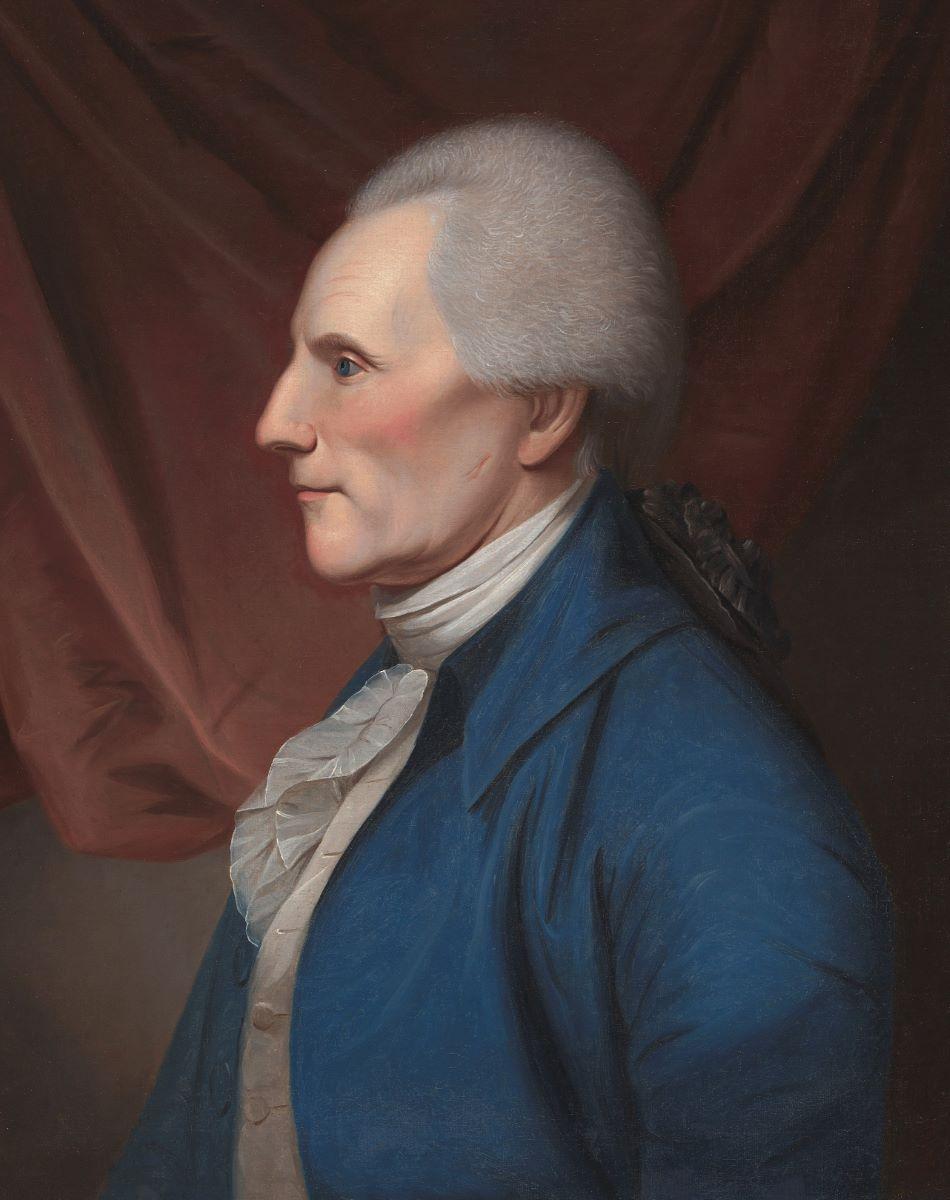
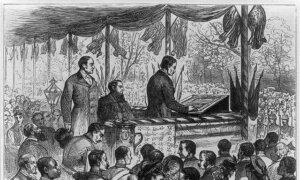
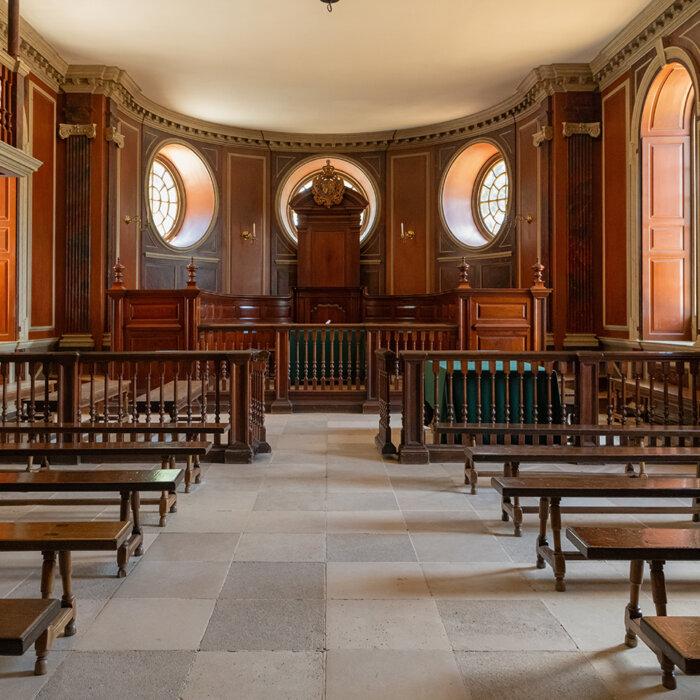
On the morning of Friday, June 7, Virginia delegate Richard Henry Lee, chosen by his colleagues to be the spokesman for the effort, rose before Congress to present the measure that history would remember simply as the Lee Resolution:
“Resolved, That these United Colonies are, and of right ought to be, free and independent States, that they are absolved from all allegiance to the British Crown, and that all political connection between them and the State of Great Britain is, and ought to be, totally dissolved.
“That it is expedient forthwith to take the most effectual measures for forming foreign Alliances.
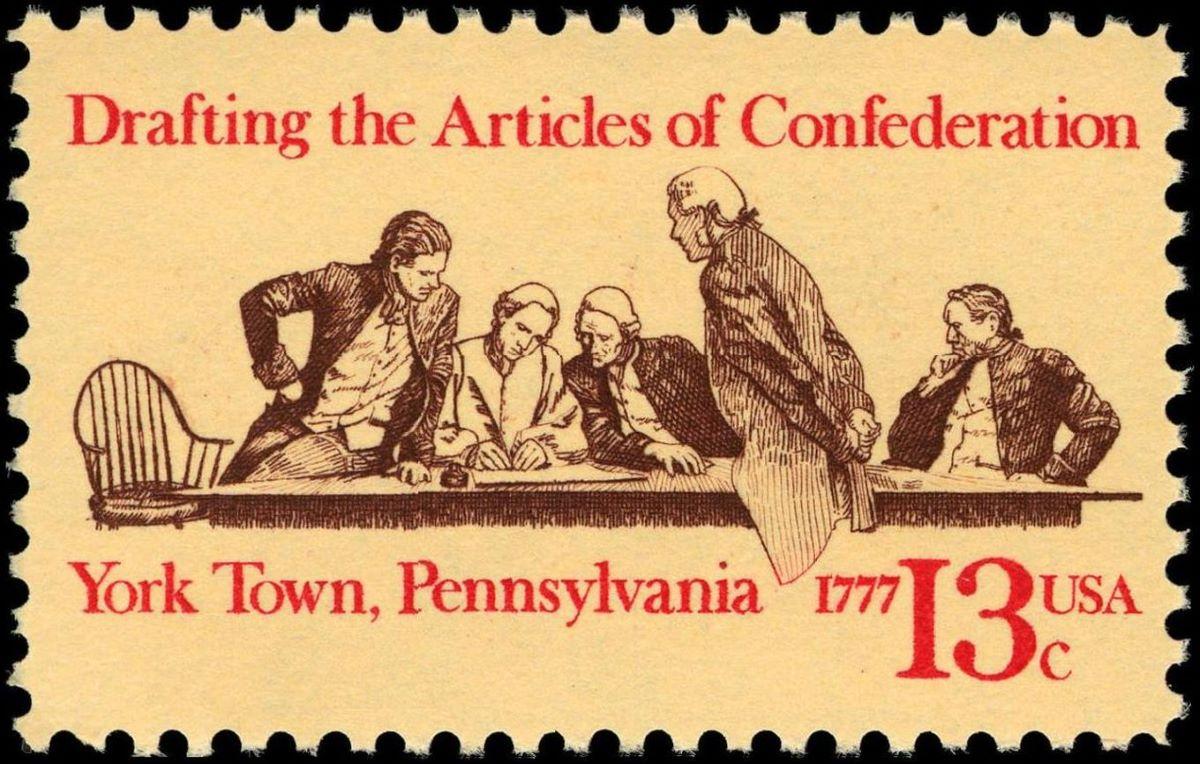
“That a plan of confederation be prepared and transmitted to the respective Colonies for their consideration and approbation.”
Massachusetts Bay delegate John Adams immediately seconded the motion.
The Schism
When the full assembly was reconvened on Saturday, June 8, a fierce divide quickly emerged. The delegations backing an immediate separation were Virginia, North Carolina, Georgia, and the New England colonies. Massachusetts Bay had recently solidified its radical stance; Massachusetts representative Thomas Cushing had been voted out of office the previous December due to his lukewarm attitude toward independence. His replacement, Elbridge Gerry, arrived fully committed to separation.The moderates opposing the resolution were formidable, led by John Dickinson and James Wilson of Pennsylvania, Robert R. Livingston of New York, and Edward Rutledge of South Carolina. These men did not necessarily oppose independence; rather, they objected to the timing. Rutledge argued that the colonies must first establish a unified colonial confederacy and secure foreign military alliances. Dickinson issued a chilling warning, declaring that the colonies were completely unprepared to face the unmitigated, brutal wrath of the British army and navy.
The radicals supporting the resolution countered with raw pragmatism. They insisted that European superpowers would never sign military alliances or trade treaties with a disorganized collection of colonial rebels. Foreign aid, they argued, would only flow once America stood before the world as a unified, sovereign nation.
According to Thomas Jefferson’s private notes, the moderates maintained “that tho' they were friends to the measures themselves, and saw the impossibility that we should ever again be united with Gr. Britain, yet they were against adopting them at this time.” They argued for “deferring to take any capital step till the voice of the people drove [them] into it. … That if such a declaration should now be agreed to, these delegates must retire & possibly their colonies might secede from the Union.”
In response, the radicals insisted that public opinion had already moved beyond the caution displayed inside Congress, asserting that “the people wait for [Congress] to lead the way.”
Jefferson noted that Adams, Lee, George Wythe, and other supporters directly attacked the timing argument, saying, “They had only opposed its being now declared: That the question was not whether, by a declaration of independence, we should make ourselves what we are not; but whether we should declare a fact which already exists.”
They further argued:
“That as to the people or parliament of England, we had always been independent of them, their restraints on our trade deriving efficacy from our acquiescence only, & not from any rights they possessed of imposing them, & that so far our connection … was now dissolved by the commencement of hostilities.”
Regarding King George III, the radicals were unyielding: “That as to the king, we had been bound to him by allegiance, but that this bond was now dissolved by his assent to the late act of parliament, by which he declares us out of his protection, and by his levying war on us.”
The urgency was clear. European powers would neither trade nor negotiate with the colonies until they established independence. Forging an immediate alliance while American affairs remained hopeful, and before any major military disasters occurred, was paramount.
The seemingly endless debates continued into the night without an agreement. When the delegates reconvened on Monday morning, June 10, Rutledge moved for a temporary delay so that hesitant delegations could receive updated, official instructions from their home colonial assemblies. Recognizing the deadlock, Congress agreed to postpone the final vote until Monday, July 1.
To ensure that time was spent wisely during the three-week interim, the assembly authorized three distinct resolutions on Tuesday, June 11. The first was to appoint a committee to draft a formal declaration of independence, ensuring a document was ready the moment Lee’s resolution passed. Elected to this Committee of Five were Jefferson, Adams, Benjamin Franklin, Roger Sherman, and, ironically, Livingston—one of the vocal opponents of the resolution.

Drafting the Declaration
Adams understood the existing geopolitics. To rally all 13 colonies, the voice of the revolution must belong to a Virginian rather than a radical New Englander. At the time, Virginia was the most populous and most politically influential and wealthiest colony in America. Adams, therefore, insisted that Jefferson, a 33-year-old Virginian, write the first draft.“Reason first—You are a Virginian, and a Virginian ought to appear at the head of this business,” Adams later recalled telling him. “Reason second—I am obnoxious, suspected and unpopular. You are very much otherwise. Reason third—You can write ten times better than I can.”
Jefferson, remembering that he was unanimously chosen by the committee, disputed the interaction. Regardless of whose memory was more accurate, he accepted the assignment. Jefferson retreated to his rented, second-floor suite in a brick house on the corner of Market and Seventh Streets and began channeling great thinkers of classical philosophy and the Enlightenment, such as John Locke and Algernon Sidney. Jefferson also drew deep inspiration from George Mason’s Virginia Declaration of Rights.
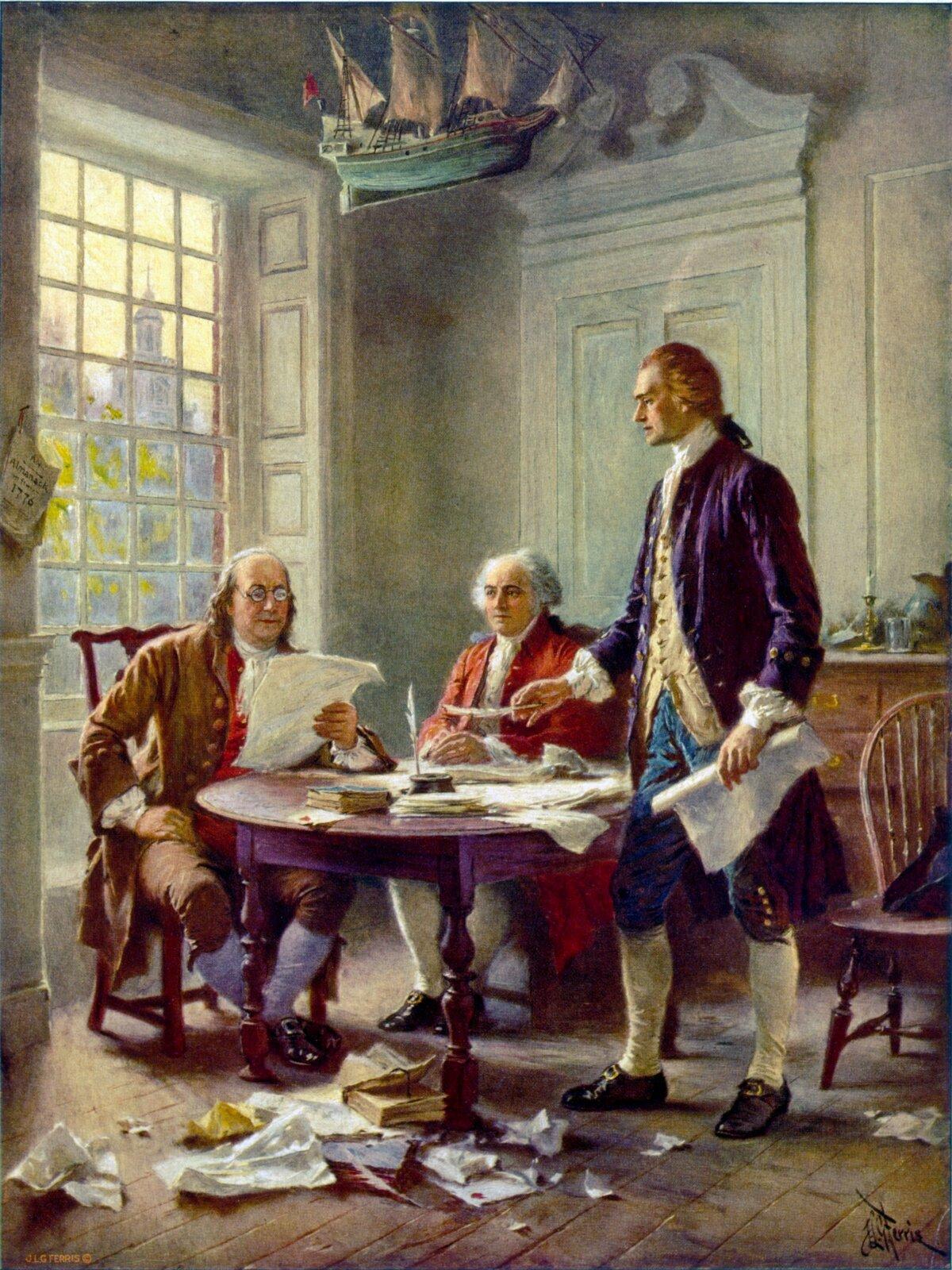
Before the text could be delivered to the Pennsylvania State House, now known as Independence Hall, the Committee of Five quietly revised Jefferson’s draft. Adams and Franklin reviewed the pages first, sharpening the language with minor changes. This included Franklin’s brilliant adjustment of the phrase “sacred and undeniable” to “self-evident.” Collectively, the committee made 47 total alterations to the manuscript.
Presentation
On the morning of Friday, June 28, Congress moved through its morning business before calling for outstanding committee reports.Jefferson stood before the assembly and announced that the Committee of Five had completed its work and was ready to report.
Together, he and his fellow committee members stepped forward to present the heavily edited rough draft to Hancock. The atmosphere inside the room was a matter of routine legislative business rather than a grand, historic celebration. Hancock passed the draft to Secretary Charles Thomson. After clearing his throat, Thomson began reading aloud the revolutionary text destined to alter global history:
“A Declaration by the Representatives of the United States of America, in General Congress assembled. When in the course of human events it becomes necessary for a people to advance from that subordination.”
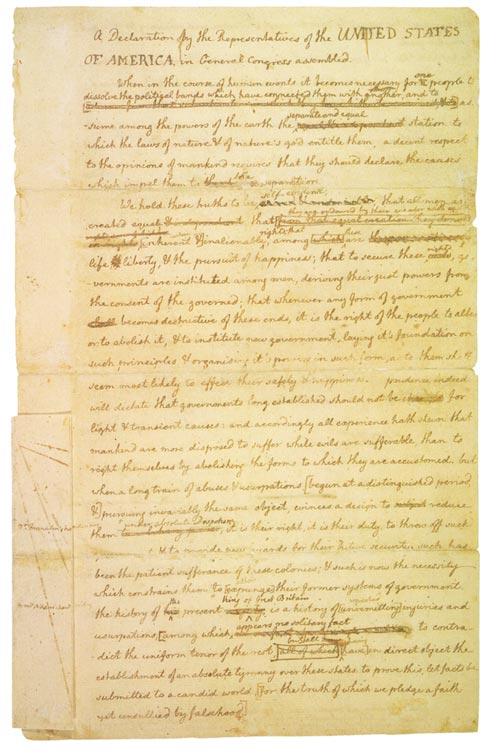
The Committee of Five had done its part. The text was delivered, but the real political battle was set to begin on Monday, July 1, when Congress would resume debate and finally cast its vote for independence.