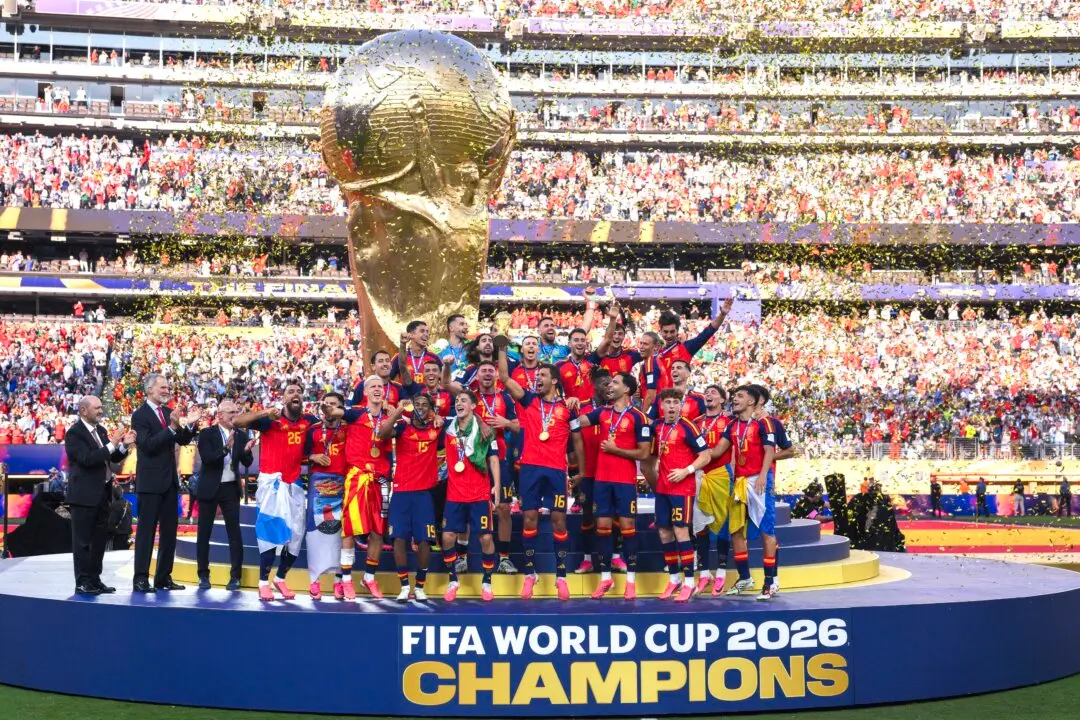
After more than one month and 104 matches spread out across 16 locations in three countries, a World Cup champion was finally declared on July 19.
Spain won its second-ever World Cup championship, beating Argentina 1–0 with a goal from Ferran Torres in extra time. Spain’s goalie Unai Simón earned his record-setting sixth clean sheet of the tournament, while Argentina’s goal-scoring icon Lionel Messi fails to capture his second World Cup and score the necessary goals to put him back in contention for the Golden Boot award.
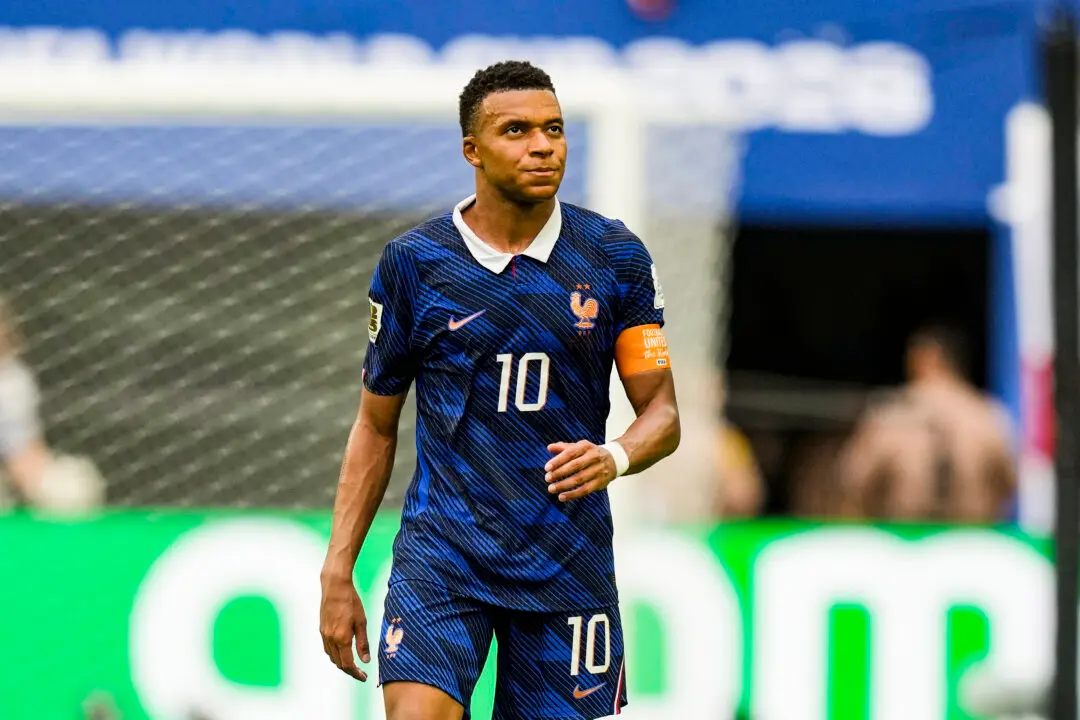
But the 2026 World Cup showcased more than one winner and loser, separate from the competition for the tournament’s ultimate prize. In other matters on and off the pitch, such as whose fans brought the most joy to the host nations, which team won the hearts of the watching world, who outperformed expectations, and who failed to meet them, some winners and losers can be declared.
Winners of the 2026 World Cup
Cape Verde
The ultimate underdog story of the 2026 World Cup was Cape Verde. Their run was like the plot of a Disney sports film. A debutant team full of descendants of the diaspora, including one recruited via LinkedIn, backed by a 40-year-old goalkeeper who did not belong to a professional soccer club, refused to go down against any team, including both Spain and Argentina, in 90 minutes.
In fact, the Blue Sharks were the only team to go up against Spain and hold them to a 0–0 draw, which came during the opening match in the initial group stage.
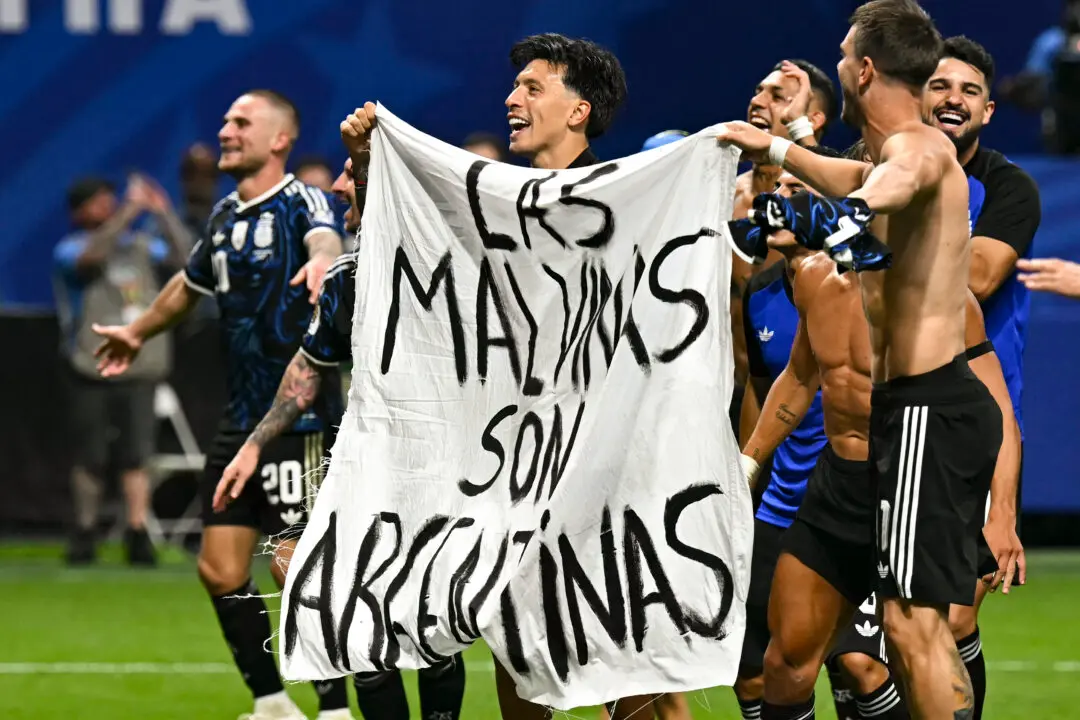
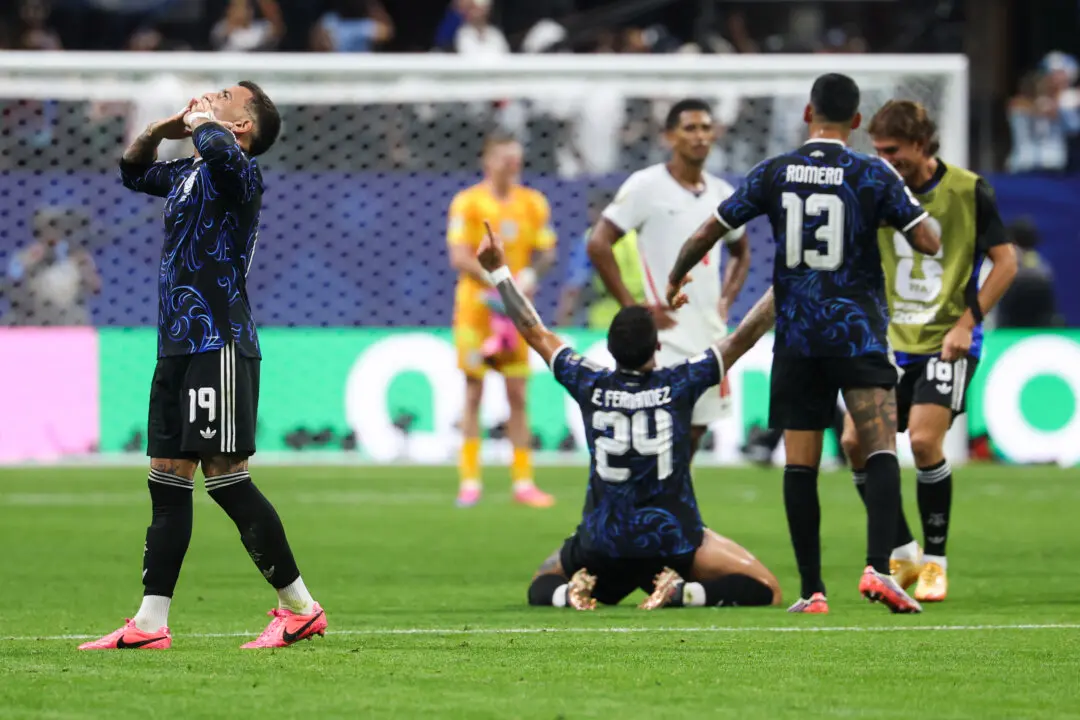
Then, in the round of 32, Cape Verde faced Argentina, and not only did they survive the full 90 minutes with a 1–1 draw, but they would shore up a 2–2 tie once again in extra time. It looked like Cape Verde would hold on to extend their World Cup run into penalty kicks, but Argentina’s Lionel Messi would secure the 3–2 victory by firing a shot off a defender and past the now-legendary goalkeeper Vozinha.
This Cinderella story won over the hearts of viewers the world over. It was also one of the highlights of the African teams’ performances as a whole. Out of the 10 teams from the continent to qualify for the World Cup, nine of them made it out of the initial group stage.
Switzerland
This is another team that can arguably be labeled a winner of the World Cup for its performance against Argentina. The Swiss faced off against Argentina in the quarterfinal.
Not only did it mark the first time the Swiss made it that far in the tournament since 1954, but it also showed the team’s surprising grit and resolve. Forced down a man by a red card midway through the second half, the Swiss were able to hold a draw against Argentina through 90 minutes and then again through 20 minutes of extra time before ultimately going down 3–1.
Norway
Another team that appeared to have a generational run was Norway. Coming into the tournament ranked 34th, they made it all the way to the quarterfinals on the back of striker Erling Haaland, who made a serious run for the World Cup Golden Boot in just his first-ever appearance in the tournament.
Norway also won popularity contests thanks to its traveling fanbase, who went viral several times throughout the competition by taking over places like Times Square in New York City and demonstrating their now-famous “Row!” chant.
Scotland
When it comes to the fans, though, Scotland’s Tartan Army emerged as the clear winner of the World Cup. Making their first appearance in the global tournament since 1998, the Scots came across the Atlantic in force, all but taking over Boston for several weeks before following the team down to Miami.
Traffic cones atop statues became a welcome sight, bars were drained of their beer, and Boston became sister cities with the Scottish town of Glasgow. They proudly marched down the streets in Boston and Miami in their kilts and blasted their bagpipes. Their chant, “No Scotland, No Party,” appeared to be accepted as truth for the rest of the World Cup fans.
United States
While its team was eliminated in a terrible loss to Belgium in the round of 16, the United States was still, arguably, a winner of the World Cup because of how it was received by soccer fans from around the world. They fell in love with major cities like Boston, Dallas, and Miami, and ventured beyond those usual travel hubs to discover small town America, where they found delicious food, friendly people, beautiful national parks, behemoth football stadiums and “American” staples like Buc-ee’s, Waffle House, and Walmart.
Several foreign visitors took to social media to share their surprise at how amazing the United States actually was compared to the dangerous, unfriendly land that their domestic news outlets said it would be. There have already been reports that the United States is looking to host the tournament again in 2038.
And on the pitch, the loss also appeared to be a long-term win for American soccer. Many pundits decried the defeat as a wake-up call for the rest of the country in terms of its soccer development. If this loss is the catalyst to make what many voices claim to be necessary changes, like making the sport more affordable, then perhaps the United States could begin to be a World Cup contender in the near future.
Losers of the World Cup
Germany & The Netherlands
Both teams disappointedly fell out of the tournament in the same disappointing fashion. Germany, holder of four World Cup championships, and the Netherlands, considered one of the best teams to never win a World Cup, were eliminated in the Round of 16 on penalty kicks.
Germany, considered the 10th best team in the world going into the tournament, was struck down in the round of 32 by Paraguay. Only able to score one goal through the entire 90 minutes and none in the 30 minutes of extra time, the Germans went into the shootout 1–1 and lost 4–3.
The Netherlands, meanwhile, also lost in penalties, albeit to a top-10 team. But they also went down in the first elimination round. Stuck with a 1–1 draw through all 120 playable minutes, the Dutch Oranje went down to Morocco 3–2 in the shootout, sending their world-famous fanbase, the Oranje Army, home early.
Brazil
As the two European nations posted above, Brazil is also arguably a loser of this World Cup, not just because of its elimination loss, but because of how it lost.
The team was ranked No. 6 in the world going into the tournament, carrying a legacy of five World Cup titles. But they lost to No. 34 Norway 2–1, with the rising star Erling Haaland scoring twice. After Haaland scored the second goal in the 90th minute of play, Brazil started to show its frustration, picking up the physicality and earning the game’s only yellow card.
Brazil would get on the board 10 minutes into stoppage time on a penalty kick from Neymar Júnior, after which Neymar had some taunting words for Norwegian goalkeeper Orjan Nyland. But that goal proved to be too little too late, and the usual World Cup favorites were sent home.
Tunisia
The 2026 World Cup proved to be a showcase of African nations—that is except for Tunisia. Out of the 10 teams from the continent that qualified for the 48-team tournament, nine made it out of the initial round-robin group stage. The only team who didn’t advance was Tunisia.
Tunisia lost its opening match 5–1 to Sweden, and that loss was followed by the immediate firing of the team’s head coach, Sabri Lamouchi.
Without the man who led them into this tournament, Tunisia went on to lose 4–0 to Japan and then 3–1 to the Netherlands, making them the only African team unable to get a draw or win.
Cristiano Ronaldo & Portugal
Portugal’s latest push for the World Cup, and possibly Cristiano Ronaldo’s last, ended in the round of 16. While that elimination came as a defeat against Spain, it marked the end of a disappointing run for both the team and its legendary striker.
Portugal opened the tournament with a 1–1 draw against the Democratic Republic of the Congo and received post-game criticism from former World Cup star Zlatan Ibrahimovic for being too focused on making sure Ronaldo scored instead of the entire team scoring. In fact, the team’s only goal that night was not scored by Ronaldo.
While the team was able to bounce back with a 5–0 win over Uzbekistan in its second group stage match, Portugal was held scoreless in its third and final group stage match against Colombia.
Known throughout his career as one of the greatest soccer players ever—if not the greatest—logging hundreds and hundreds of goals throughout his career, Ronaldo, the pre-tournament Golden Boot hopeful, was only able to score three goals.