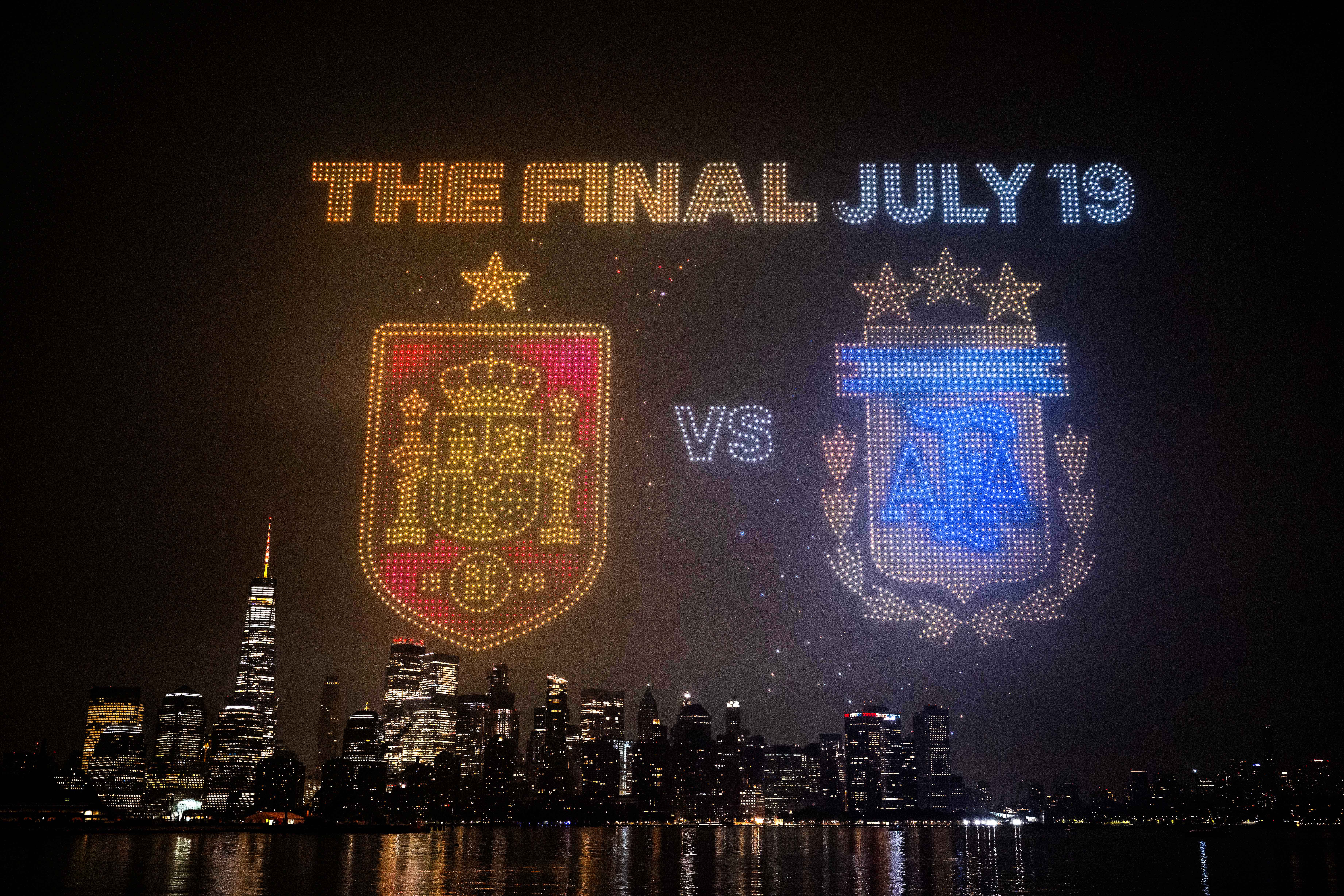

The 2026 FIFA World Cup Final pits the tournament’s greatest scorer of all time against its leading goalkeeper so far. It’s also a chess match between two tactical masterminds on the sidelines.
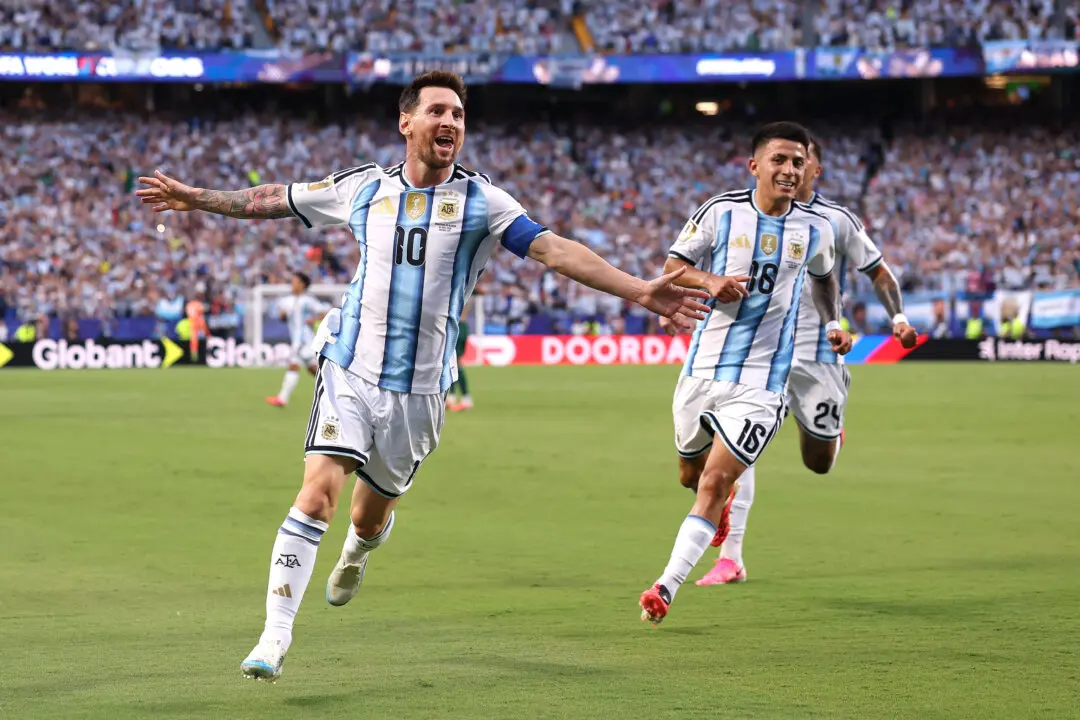
Argentine captain Lionel Messi led his side to the 2022 World Cup title in Qatar. The 39-year-old striker’s accomplishments at the international and club level are far beyond any other player in history, and, with eight goals and four assists so far, he’s on the cusp of finally hoisting the only major award that’s eluded him: the Golden Boot.
Of the Atomic Flea’s supporting cast, 17 are also reigning champions from four years ago and key players in the top professional teams in Europe.
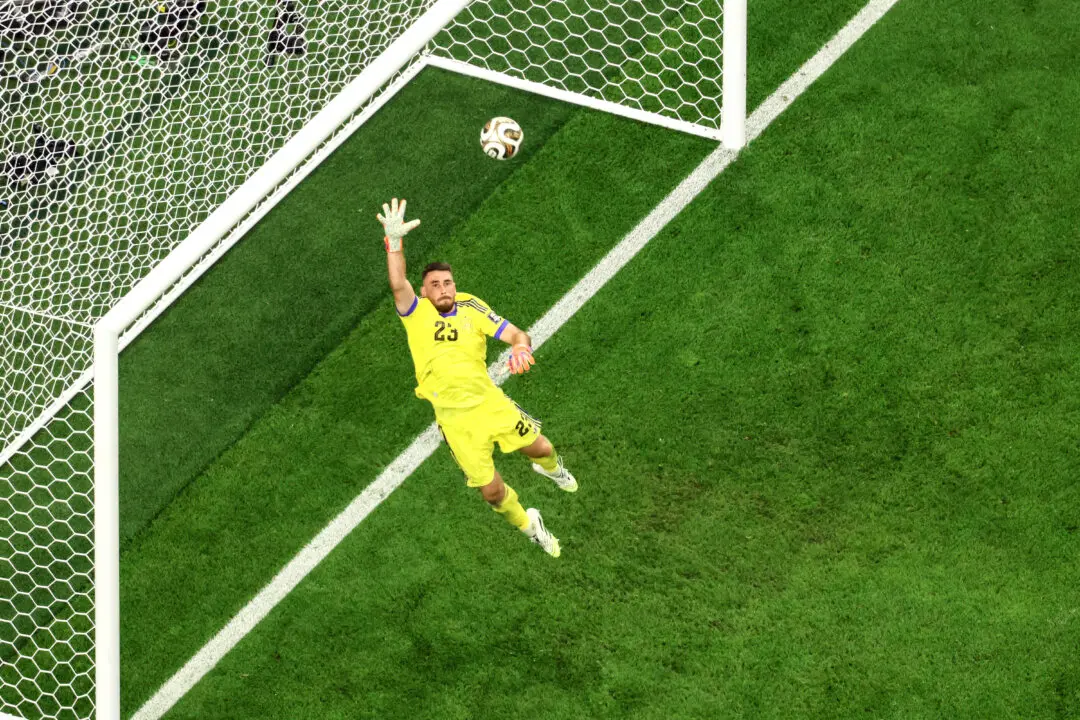
Spanish goalkeeper Unai Simón has been somewhat of a surprise. Ahead of this tournament, he wasn’t considered his nation’s best goalkeeper. His La Liga Club team, Athletic Club, finished mid-table this past season, while the squad’s other two keepers won their respective leagues with Barcelona and Arsenal (England).
Simón has only conceded one goal in seven matches thus far. Still, the stellar back line in front of him shares the credit, limiting opponents to a few shots.
Here’s what to know about the 23rd World Cup title match at 3 p.m. ET on Sunday at MetLife Stadium in New Jersey.

How They Got Here
Both teams, consistently ranked in the top five in FIFA’s World rankings, had no trouble beating other nations in qualifying on their respective continents and subsequently drew favorable group-stage matchups.
Spain got off to a slow start in group play with a scoreless draw against overachieving underdog Cape Verde. La Roja rallied in its second match, crushing Saudi Arabia 4–0 and beating the formidable Uruguay 1–0.
In the knockout stages, Spain surged past Austria 3–0 before beating main rival Portugal 1–0, Belgium 2–1, and the heavily favored France 2–0.
“I’m always surprised of what this team manages to do,” Spain Coach Luis de la Fuente said during the semifinal post-match press conference.
“It was all planned for us to reach this key moment in the best shape possible,” he added.
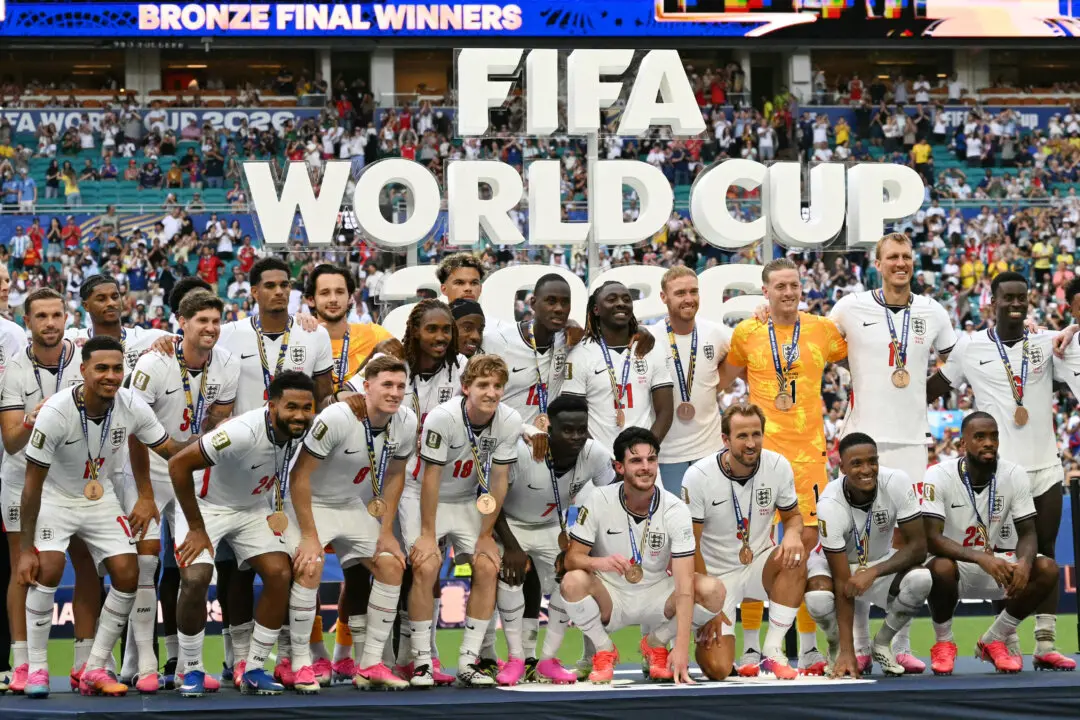
Argentina, in group play, beat Algeria 3–0 with a Messi hat-trick, Austria 2–0, and Jordan 3–1. It suffered in the knockout stages, however, needing extra time to beat Cape Verde and Switzerland. The squad pulled off a near-miraculous and controversial comeback against Egypt and stole the semi-final win against old foe England with a goal in the 92nd minute.
“I think this team plays best when it’s in difficulty, honestly, and when the opponent hesitates a little bit there,” Argentina Coach Lionel Scaloni said during the semifinal post-match press conference. “That’s when we see blood, and we go and go as far as it takes.”
Players to Watch
Messi has been heroic in every match so far with goals or assists, but he’s also missed two penalty kicks.
Tougher opponents at each stage have demanded more from a man who is nearly middle-aged and sustained several injuries in the course of his 20-plus years’ professional career: His average distance traveled on the field per match increased from about three miles in group play to more than five miles in the knockout stages, Fox Sports analysts reported.
For Spain, there are very high expectations for Lamine Yamal, a 19-year-old right winger who has been superb with FC Barcelona. He hasn’t scored yet in this World Cup despite several close chances. Regardless of goals, he’s demonstrated the consistent passing, vision, and decision-making of a seasoned veteran.
Spain captain and midfielder Rodrigo Hernández Cascante, known as Rodri, is the linchpin of his side and a living example of the key to winning beyond great crosses, shots, and saves.
Despite not scoring yet, he’s stifled opponents’ counterattacks, engineered his team’s counterattacks, and maintained Spain’s possession-oriented game with consistent, accurate passing—long or short—on every part of the pitch.
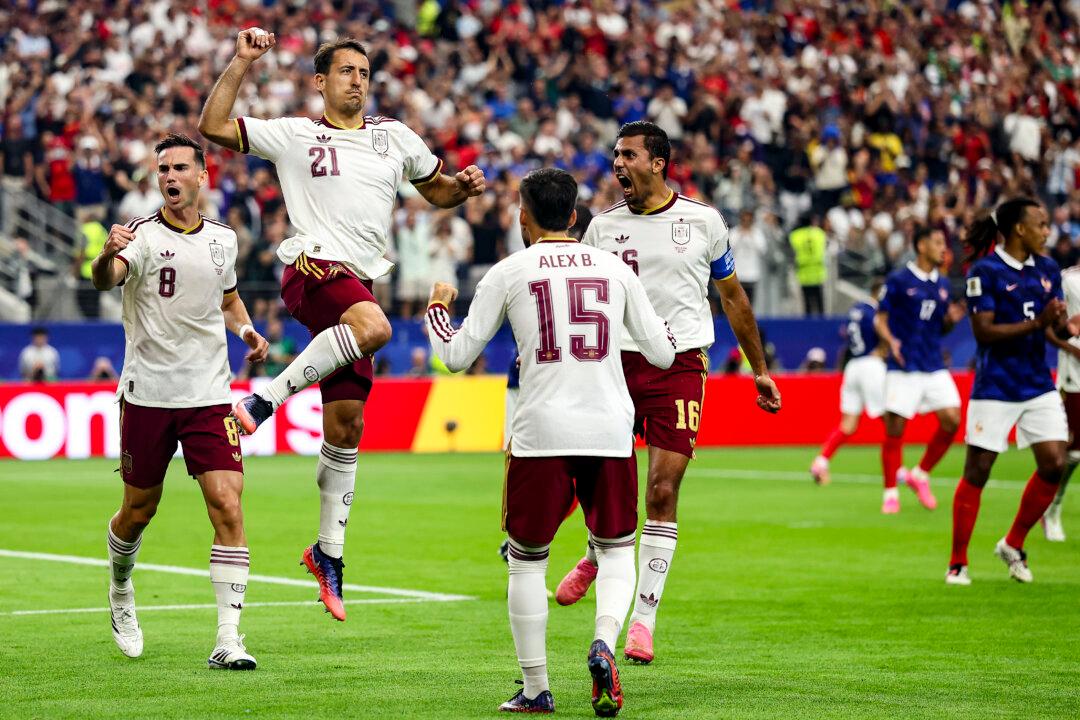
Spain has five goals from forward Mikel Oyarzabal. Substitute Mikel Merino has netted two game-winners despite limited minutes.
Argentina has other attack-minded players that will test Simon, including goal scorers Lautaro Martínez and Enzo Fernández.
Midfielder Rodrigo De Paul, Messi’s teammate at Inter Miami, is a box-to-box workhorse who may not play with the elegance of Rodri, but has been clutch in his side’s close games, especially on defense.
Tactics
Spanish soccer is celebrated for unselfish passing and strong ball possession, but this team has a different approach than its predecessor, which won the nation’s only World Cup in 2010.
Lately, La Roja has used very fluid formations, calling on some defenders to mark players wide in their own end while contributing on offense and playing more centrally in the final third.
De la Fuente likes his wings to play fast and attack open space, while the 2010 squad was less deliberate and expected more horizontal ball movement and a patient attack. Even though this Spanish side often appears to slow its forward movement, defenders and midfielders are constantly looking to overlap with forwards, putting opposing defenders on the back foot and forcing them to look over their shoulders most of the time.
Argentina, not one of the younger squads in the tournament, doesn’t fancy formations with so much sprinting.
La Albiceleste often appears to be set up in a traditional 4-3-3, meaning four defenders, three midfielders, and three forwards, but Scaloni is a master of deception, giving Messi and company creative freedom to improvise.
Their poker-faced expressions in the late minutes against Cape Verde, Egypt, and England are proof of their confidence and willingness to outsmart opponents rather than just resort to desperation forward pressure.
Messi has played the “false nine” role throughout his career, lining up as a striker but stepping away as the target man to elude defenders and settling back behind his forwards and into a distributor role. This was the case with the winning goal against England in the second half stoppage time. He collected a loose ball from the right midfield position and, instead of dribbling into a pocket of space closer to the middle of the goal, he went right and pinpointed a cross to the head of Martinez.
What Follows
Argentina would be the first team since Brazil in 1958 and 1962 to win consecutive World Cups. Spain, which has also won four European championships (most recently in 2024), hopes to carve its own niche in soccer history.
None of the players on Spain’s 2010 World Cup-winning team are on this roster, and most of the current team will presumably be young and fit enough to compete again when their nation co-hosts the next World Cup in four years.
The same can’t be presumed for Messi, who at 43 would mark yet another milestone as the oldest field player to compete in the tournament, beating 41-year-old Cristiano Ronaldo from this year’s event and Cameroon’s Roger Milla, who was 42 in the 1994 World Cup.
The final numbers are still being counted, but the 2026 FIFA World Cup, co-hosted by the United States, Mexico, and Canada, is expected to set a record for attendance and become the most-watched tournament ever.