The way National Football League teams navigate the preseason is analogous to having 32 passengers on a bus and each of them using different apps on their devices to help the driver plot a course to the destination.
The preseason has long been a hodgepodge of approaches. For instance, rookies go all out, while veterans go through the motions, and the better teams try to get through the slate of games as other clubs strive to develop a culture of winning.
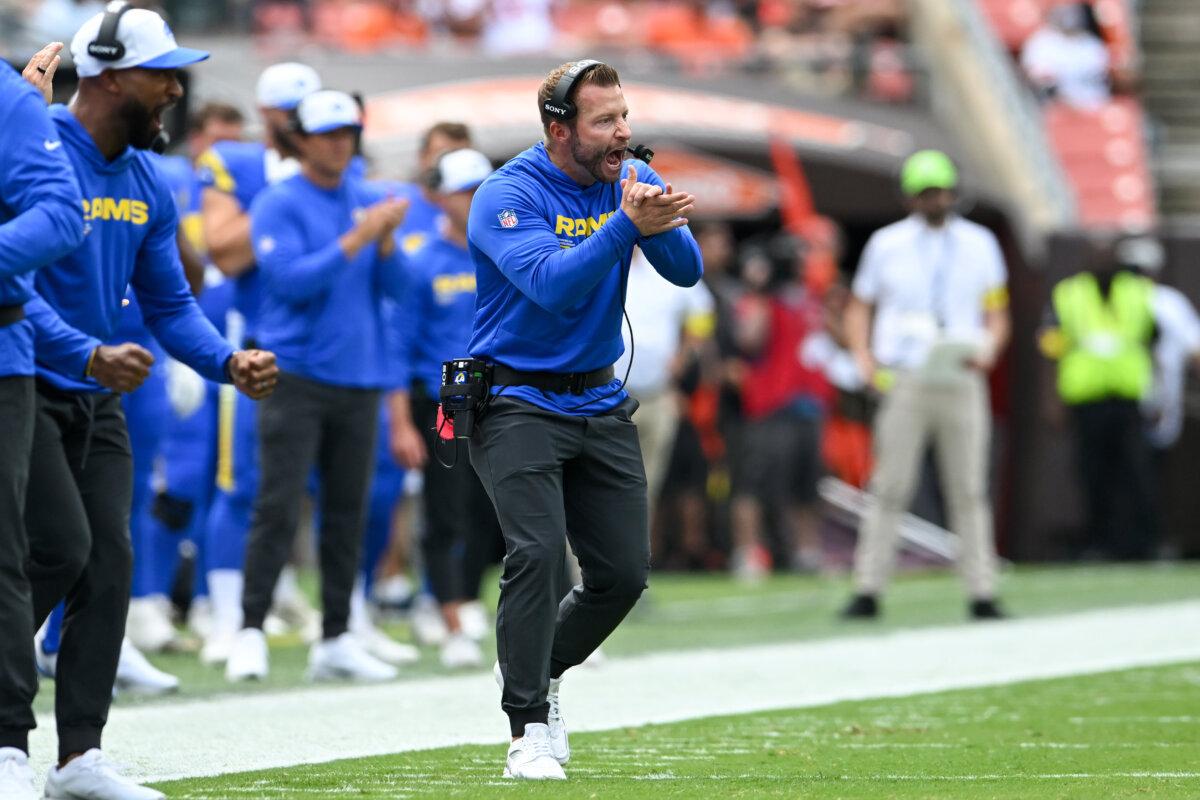
The energetic McVay uses the preseason games to evaluate the last few players on the roster or to offer those with less experience some time on the field.
Some clubs this preseason had hotly contested position battles—the Cleveland Browns, for instance, with their four-quarterback situation—but other squads just wanted their top players to experience a few snaps before it counts to work out the kinks.
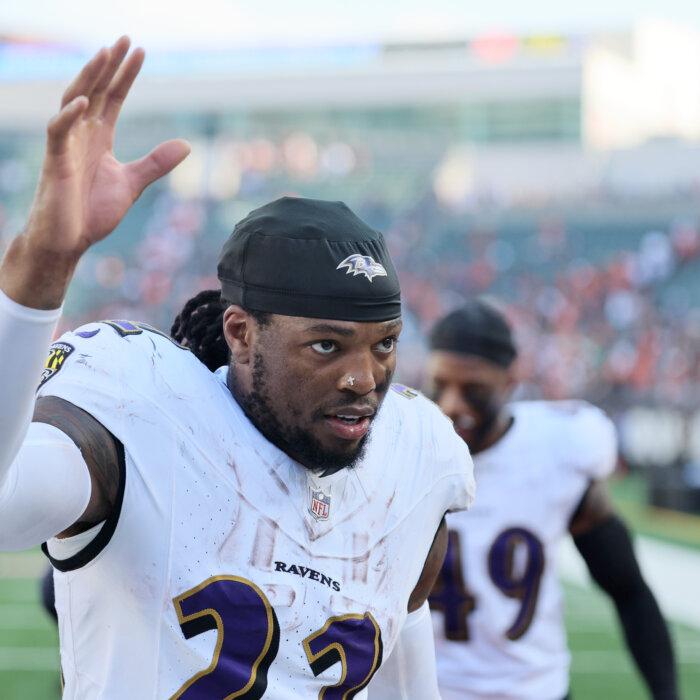
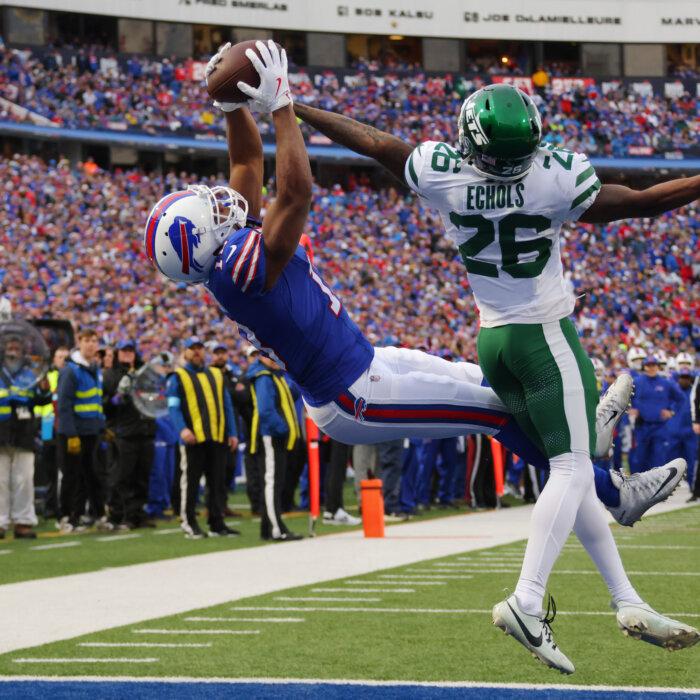
Suffice to say the landscape is changing amid contract tweaks and adjustments to the number of games, but each team is plotting its own path.
“The approach hasn’t completely flipped, but I think it has shifted due to a lot of circumstances,” Jack Tabb III, who performs player evaluation/recruiting for JB Sports management agency, told The Epoch Times on Saturday.
“First of all, teams used to treat the preseason as the only true evaluation because there used to be multiple cut-downs as well—you used to have to cut down to 75 and then 53.
“Also, with that, there’s one fewer preseason game and you can have more practice squad players now. It went from seven to 10 and now 16. On top of that, veterans past three seasons can also be on practice squads now. That was in the 2020 [collective bargaining agreement].”
The Rams seemed to have too many preseason snaps this year. They sent out fourth-string quarterback Dresser Winn in Saturday’s preseason finale to essentially be a punching bag absorbing all the snaps because they didn’t want to expose any of their top three signal callers in a low-intensity game that meant practically nothing to the roster.
A major part of the preseason is now also weighing the financial risk of exposing players to early injuries.
“The other issue is all these owners and coaches have got to protect their investments because all these players want this guaranteed money in their contracts now,” Tabb said.
“NBA and MLB contracts, once you sign on that dotted line, unless you do something stupid to hurt yourself or what have you, you’re pretty much guaranteed that money. It doesn’t work like that in the NFL.
“Unless it’s written with language that you are guaranteed these dollars, the contract is strictly based on the games that you play,” Tabb said.
He said the push for guaranteed money has made the owners push back hard on preseason competition. And because the league is eyeing a jump from the 17-game season over 18 weeks to a schedule featuring 19 games, that would probably result in shaving a game off the preseason.
Another contributing factor encroaching into the preseason game domain is the midweek joint practice, which has lessened the importance of the weekend matchups.
“A lot of these teams have joint practice. ... That’s been happening for a long time now, but I’d say more teams have been exploring it. And those almost become more of the evaluators than the preseason games,” Tabb said.
“It’s way more controlled-environment reps, so you can do a lot more situational stuff and see players on an individual level, and you get to watch the film a lot closer as well.”
So where does all this change leave the preseason?
“It’s still about evaluation, more or less,” Tabb said. “I think they really try to identify depth more than anything, because you know who the [top] guys are.”
And that leaves most of the viewing public looking for its own app to navigate the meaning of the preseason.