
NASA will put a World Cup soccer ball on the moon if Team USA wins the championship, officials announced on June 30.
Administrator Jared Isaacman and Moon Base Program Manager Carlos García-Galán made the pledge during the first of what Isaacman said would be monthly updates on the space agency’s lunar ambitions.
The event featured the unveiling of four new lunar landers that will carry payloads of emerging technologies that will be crucial for a successful moon base. But one of those landers might carry a soccer ball.
“What do you think the chances are here, if America wins at all, that we can find some volume here on one of these landers to put, to put one of the soccer balls in,” Isaacman asked García-Galán.
“If the United States wins the World Cup, we will absolutely find space,” García-Galán replied.
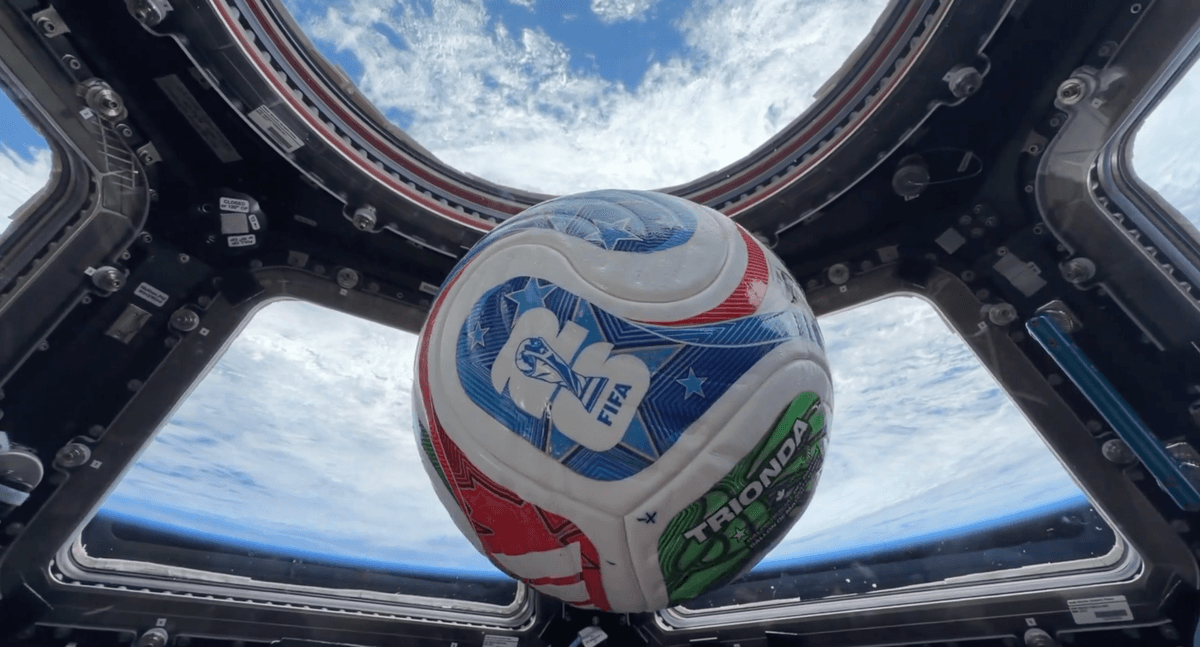
Isaacman went on to say that NASA already shipped a World Cup ball to the International Space Station, where American and French astronauts are stationed as both their teams compete.
Sending a World Cup soccer ball to the surface of the moon, he said, would be a “one up” from a moment during the Apollo 14 mission in 1971 when Cmdr. Alan B. Shepard Jr. shot two golf balls on the moon with a makeshift six iron.
“I don’t know which lander it‘ll wind up going on, and I’ll leave that to you guys to handle the payload,” Isaacman said to García-Galán.
NASA has several unmanned lunar landers in development to take part in a massive spread of robotic missions to the lunar South Pole ahead of any manned missions, beginning with at least one mission in late 2026. Those landers include the Blue Moon Mark 1 lander from Blue Origin, named Endurance, as well as landers from the companies Firefly Aerospace, Astrobotic, and Intuitive Machines.
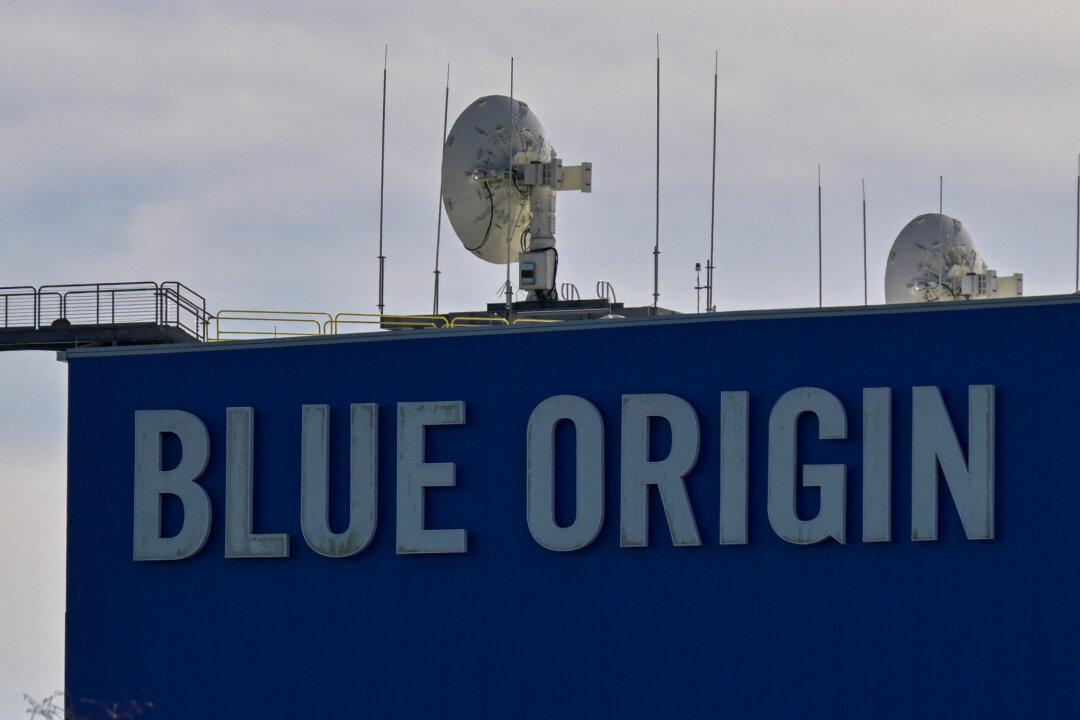
Blue Origin continues to rebuild its launch pad in Florida after an anomaly caused the New Glenn rocket to explode during a hot-fire engine test. Isaacman and García-Galán expressed confidence that the private spacefaring company will be able to launch again in time to stick with the moon base’s timeline.
In the meantime, though, the U.S. men’s national team will continue to pursue its first World Cup championship on July 1, facing Bosnia and Herzegovina in San Francisco. If Team USA can win that game, they will face either Belgium or Senegal on July 6. If that game ends in victory, they will most likely face Spain on June 30.