The launch of NASA’s SpaceX Crew-12 mission to the International Space Station was pushed back a second time in as many days due to weather. But that delay opens the skies to another rocket set to launch for the U.S. Space Force.
The United Launch Alliance (ULA)—a joint spacefaring venture primarily between Boeing and Lockheed Martin—is targeting a 3:30 a.m. ET launch on Feb. 12 from Space Launch Complex 41 in Cape Canaveral, Florida. It is expected to set records for the rocket’s performance and endurance as it carries the hardware into an orbit more than 22,000 miles above the Earth.
The company said the launch “could not be more critical.”
“With space being the new battlefield high ground, ULA will help to protect U.S. national security orbital assets by launching a ‘neighborhood watch’ surveillance system directly into geosynchronous orbit,” the company said on the social media platform X.
A geosynchronous orbit allows a spacecraft to remain above the same geographical area. Most spacecraft, like the International Space Station, fly in orbits that constantly change their position, which limits how long they can observe specific areas. This new spacecraft, built by Northrop Grumman, will be placed in an orbit where it can constantly monitor a specific area of space.
The spacecraft will be the latest addition to the Space Force’s Geosynchronous Space Situational Awareness Program system. United Launch Alliance said in a statement that this monitoring system helps improve the United States’ overall view of space around the Earth, and makes spaceflight safer by tracking human-made objects in orbit and helping to avoid mid-space collisions. It will also be able to maneuver closer to other spacecraft for further inspection.
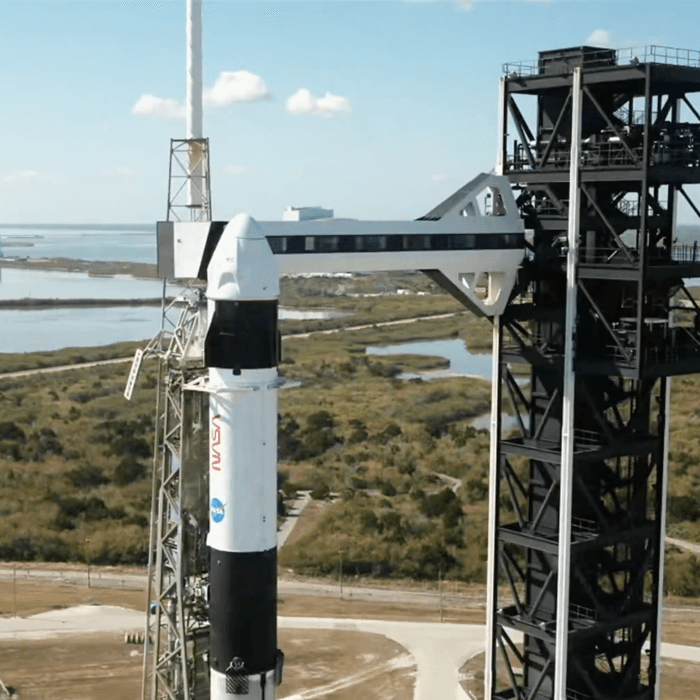
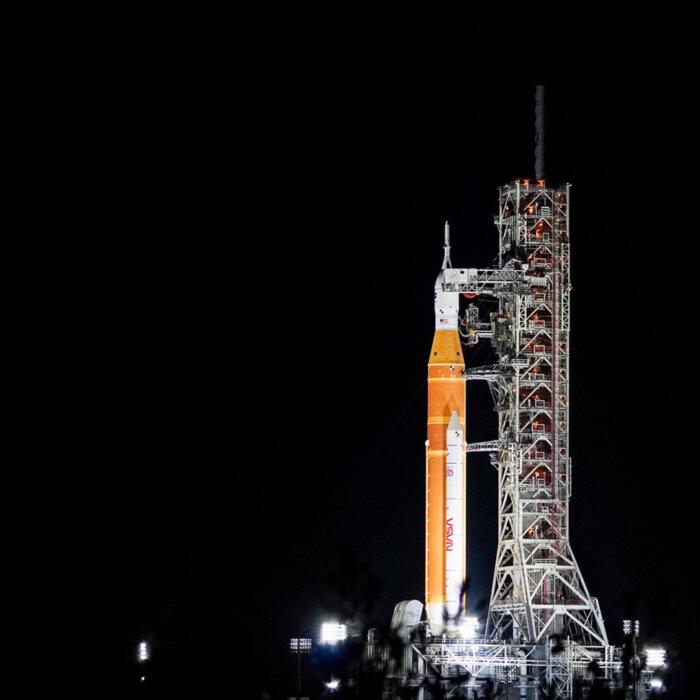
This mission will be the second National Security Space Launch mission to utilize United Launch Alliance’s Vulcan rocket, and will be the heaviest payload and longest launch operation—almost 10 hours—that this next-generation rocket has undertaken. It is also United Launch Alliance’s fourth launch overall for this particular surveillance program, with previous missions launching on predecessor rockets in 2014, 2016, and 2022.
NASA’s Crew-12 Delayed
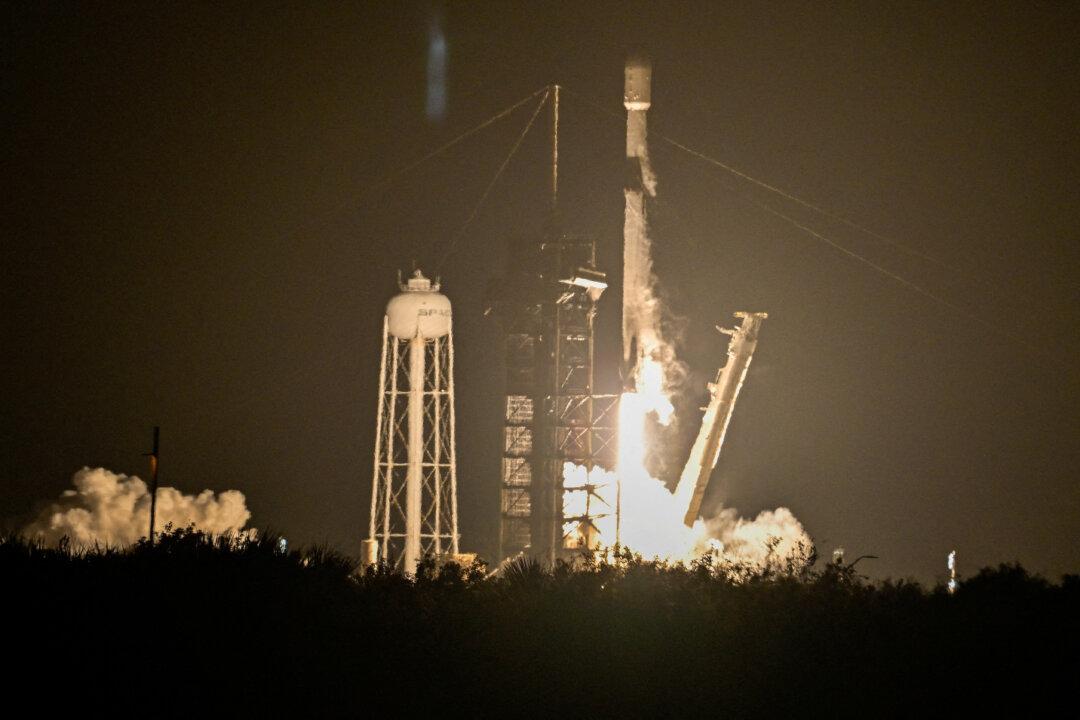
NASA announced on Feb. 10 that it decided to delay the launch of its next four-person crew to the International Space Station to no earlier than 5:15 a.m. on Friday due to inclement weather.This decision comes after an initial move to push the launch from the morning of Feb. 11 to Feb. 12, just a few hours after United Launch Alliance was scheduled to take off. NASA officials said during a press conference on Feb. 9 that their crewed mission had launch priority over the unmanned Space Force mission, but that any further pushback would allow United Launch Alliance to go ahead.
While both rockets were taking off from essentially the same general location, key differences in launch possibilities were determined by their flight paths and what they were carrying.
Steve Stich, NASA’s Commercial Crew Program manager, explained during a pre-launch press conference that the initial delay was caused by unfavorable weather conditions in Crew-12’s flight path farther up the Atlantic coast. Specifically, it involves an area where rescue crews would be staged in case Crew-12 had to separate from the Falcon 9 rocket and abort the launch.
NASA confirmed in its Feb. 10 mission update that the Feb. 12 launch was waived again due to weather conditions along the flight path.
If the crew launches on Feb. 13, they would arrive at the International Space Station at approximately 3:15 p.m. on Feb. 14.