Humanity’s return to lunar space will miss its February launch window. The more than 50-year wait will extend at least one more month.
NASA announced in the early hours of Feb. 3 that its Artemis II mission—set to carry American astronauts Reid Wiseman, Victor Glover, and Christina Koch, and Canadian Space Agency astronaut Jeremy Hansen around the moon and back—would forego its upcoming launch window and aim for March.
The decision comes just hours after a wet dress rehearsal of launch-day operations ended early due to a persistent hydrogen fuel leak, and more time was needed to review data and conduct a second, complete run-through before they were ready to launch.
“To allow teams to review data and conduct a second wet dress rehearsal, NASA now will target March as the earliest possible launch opportunity for the flight test,” NASA said in a statement.
NASA had a chance to launch its astronauts on the maiden crewed voyage of its Orion spacecraft atop the Space Launch System rocket in the late hours of Feb. 8, just after midnight on Feb. 10, and again on Feb. 11.
Now, the earliest the mission could launch is 8:29 p.m. ET on March 6, followed by opportunities at 8:57 p.m. on March 7, 10:56 p.m. on March 8, 11:52 p.m. on March 9, and 12:48 a.m. on March 11.
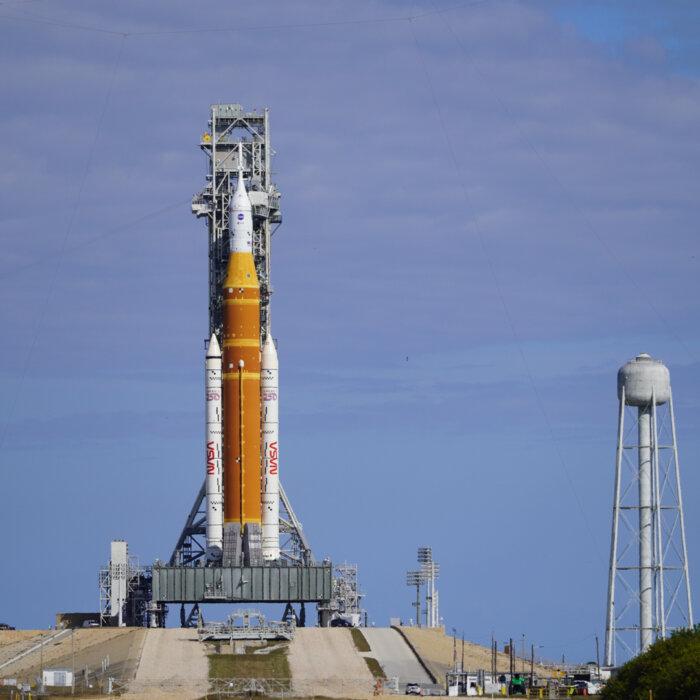
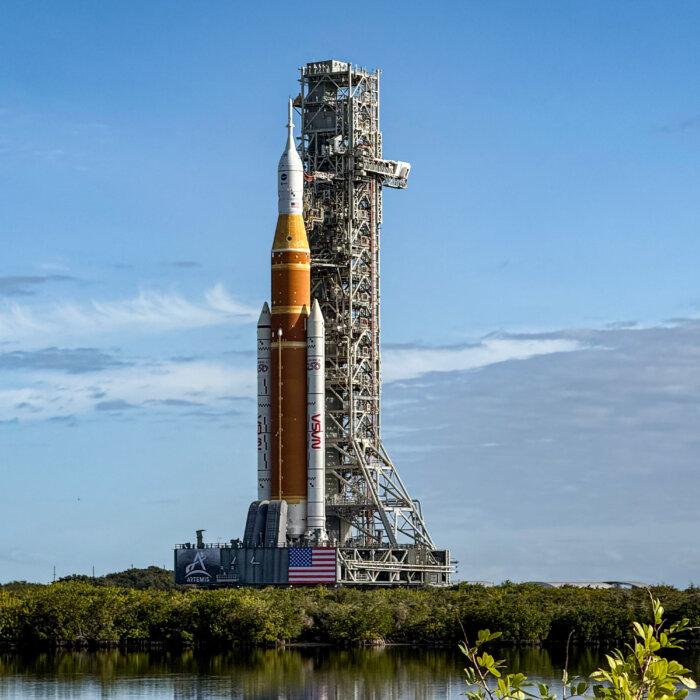
Meanwhile, the Artemis II crew will be released from their pre-mission quarantine in Houston. If the wet dress rehearsal went well, they would have flown to Kennedy Space Center in Florida. They will no longer make the journey.
NASA said the astronauts will reenter quarantine two weeks ahead of their next launch opportunity.
The wet dress rehearsal was a gauntlet of systems checks and integrations, practised procedures, power-ups and downs, and complete fueling attempts that lasted more than 50 hours.
A hydrogen fuel leak was detected involving one of the umbilicals feeding the rocket’s core stage. Hydrogen fuel leaks were an issue ahead of Artemis I’s launch in 2022, but thanks to that experience, teams developed and executed troubleshooting procedures that allowed them to work through the problem while advancing toward simulated launch in other ways, such as continuing to load the other type of fuel, liquid oxygen.
After two attempts, NASA declared the leak under control, but it later emerged that the ground launch sequencer automatically halted the countdown at T-minus five minutes and 15 seconds due to a spike in the liquid hydrogen leak rate.
But the leak was not the only issue engineers faced over the past few days.
The closeout operations, which secure the crew in the Orion capsule, took longer than planned due to a valve on the hatch pressurisation system that required retorquing.
Engineers also reported that audio communication channel dropouts have been affecting several ground teams for the past few weeks, and several occurred during the wet dress rehearsal.
Cold weather also pushed the dress rehearsal back by two days, and NASA reported that it affected several cameras and other equipment to the point that additional attention would have been required on launch day.
While hopes were high for a February liftoff, mission leaders consistently reiterated that the mission would launch when it was ready and that crew safety remains their top priority.
“With more than three years between SLS launches, we fully anticipated encountering challenges,” NASA Administrator Jared Isaacman said in a statement posted to X.
“That is precisely why we conduct a wet dress rehearsal. These tests are designed to surface issues before flight and set up launch day with the highest probability of success.
“As always, safety remains our top priority, for our astronauts, our workforce, our systems, and the public. ... We will only launch when we believe we are as ready to undertake this historic mission.”
Artemis II mission leaders will host a press conference to further discuss operations at 1 p.m. on Feb. 3.