CAPE CANAVERAL, Fla.—Initial results from NASA’s launch-day dress rehearsal for the first crewed mission around the moon in more than 50 years convinced mission leaders to wait at least another month before trying to fly.
They announced their decision only a few hours after the practice run was stopped early on Feb. 3 due to a persistent fuel leak.
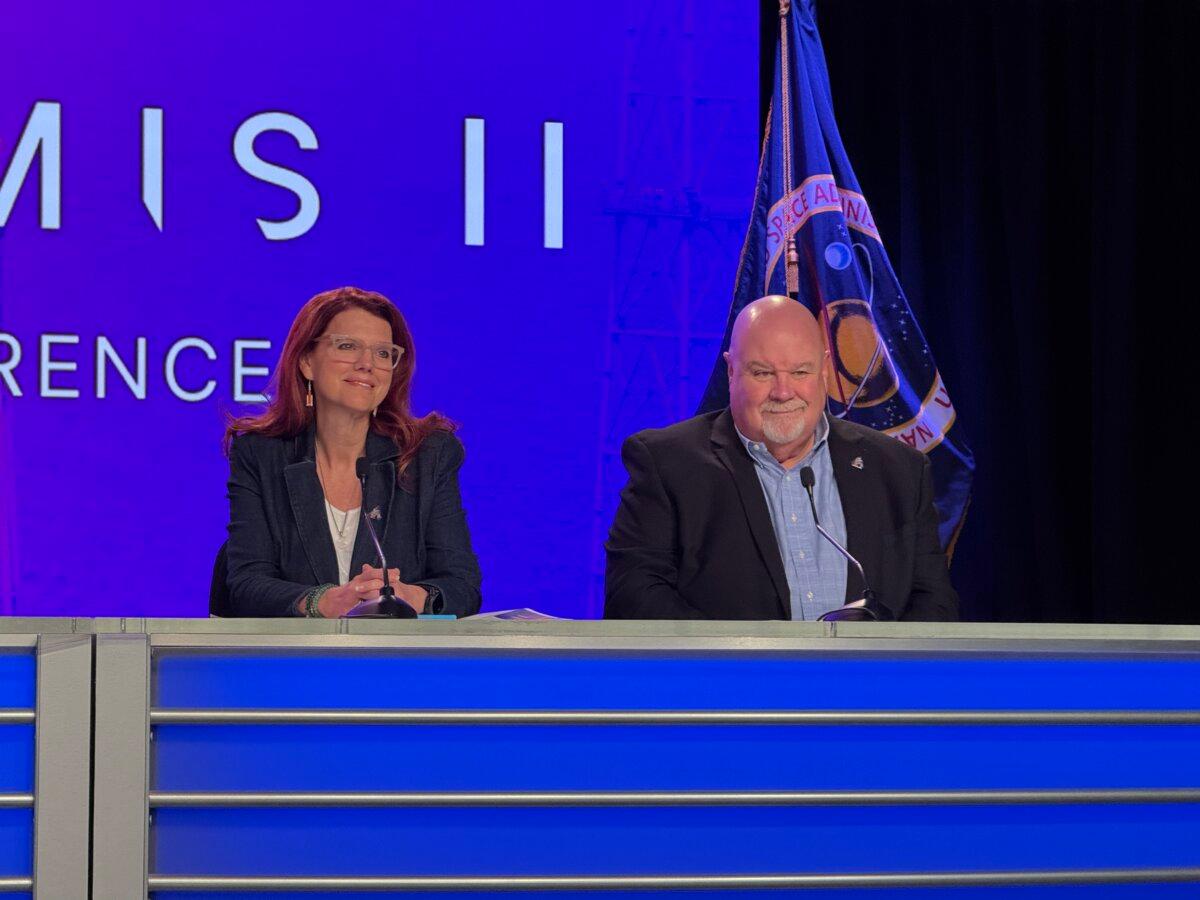
“All in all, a very successful day for us on many fronts and then on a couple of others, we got some work we gotta go do and we’re gonna go do it,” Artemis Launch Director Charlie Blackwell-Thompson said at a press conference at the Kennedy Space Center.
Artemis II will launch no earlier than March 6. Until then, its moon rocket, the Space Launch System, and the Orion crew capsule will remain at Launch Complex 39B as ground crews review the data gathered from the practice run and fix what needs to be fixed.
Hydrogen Fuel Leak
NASA calls this launch-day practice run a “wet dress rehearsal” because it involves loading the moon rocket with its fuel: liquid oxygen and liquid hydrogen.It was a more-than-49-hour gauntlet of systems tests, integrations, fueling, and process run-throughs executed as if the rocket was going to actually launch. Beginning after 8 p.m. ET on Jan. 31, it was brought to a halt in the early hours of Feb. 3, with just five minutes and 15 seconds left in the countdown.
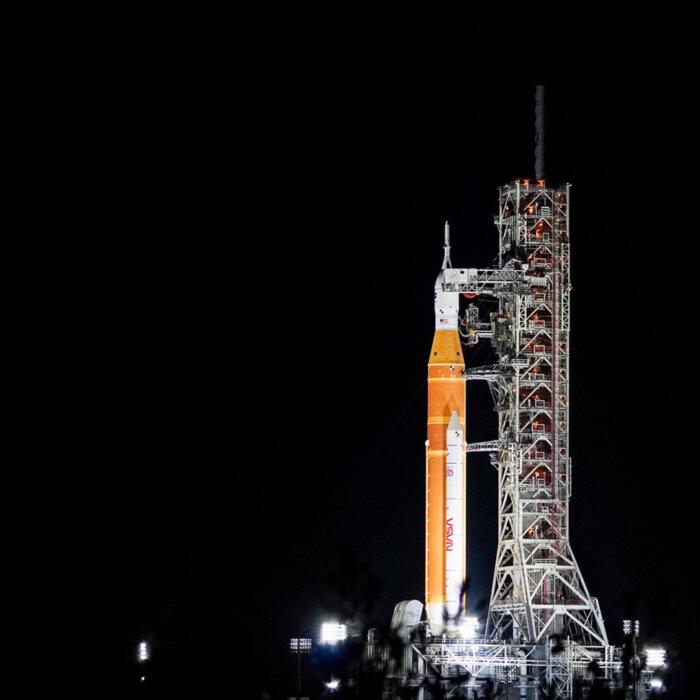
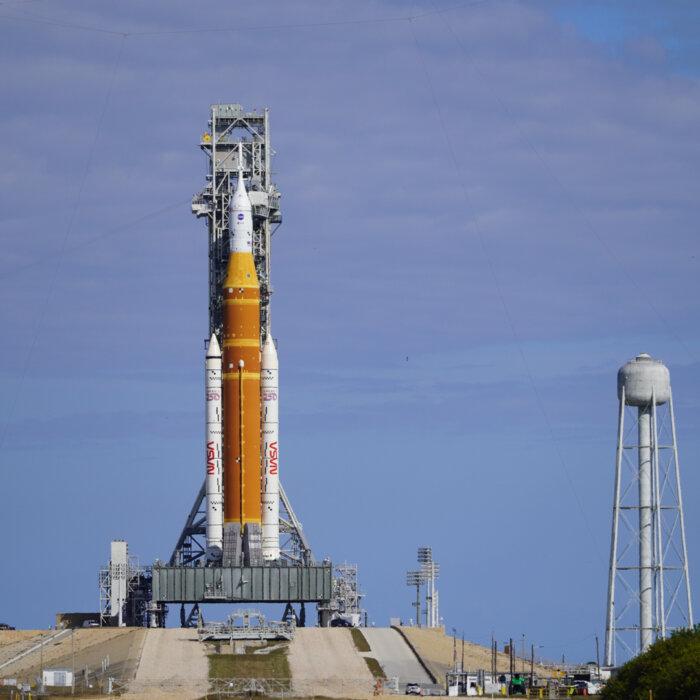
Blackwell-Thompson and Artemis II Mission Management Team Chair John Honeycutt said that liquid hydrogen was leaking around a connection point at the base of the rocket, causing it to accumulate in an area inside the spacecraft at dangerous levels.
They faced a similar problem during wet dress rehearsals for Artemis I in 2022.
“Actually, this one caught us off guard, and the initial things that we were seeing, and the technical team felt like we either had some sort of misalignment or some sort of deformation or debris,” Honeycutt said.
If the concentration of hydrogen hits or exceeds 16 percent, then it can catch fire.
“We got into our safety steps,” Blackwell-Thompson said. “We saw the hydrogen concentration come down, and then later in the evening, we got into our drain operations.”
Those draining operations were completed successfully.
First Time Testing
Despite having three years to address hydrogen fuel leaks discovered in Artemis I, NASA leaders were unable to discover the new leaks ahead of time because this was the first opportunity to rehearse fueling operations.Artemis II also marks only the second time this rocket has been on the launch pad, and the first time it and the Orion capsule are being prepared to carry a human crew.
That context, combined with the vehicle’s suite of tailor-made components, makes pre-launch testing an extremely experimental procedure.
So, along with fixing the fuel leak, NASA’s ground teams have to take extra time to analyze enormous amounts of what is essentially novel experimental test data.
And that experiment exposed other “challenges” that NASA leaders said teams had to overcome throughout the rare rehearsal, including issues with the closeout procedures meant to secure the crew in the capsule.
Up Next: More Testing
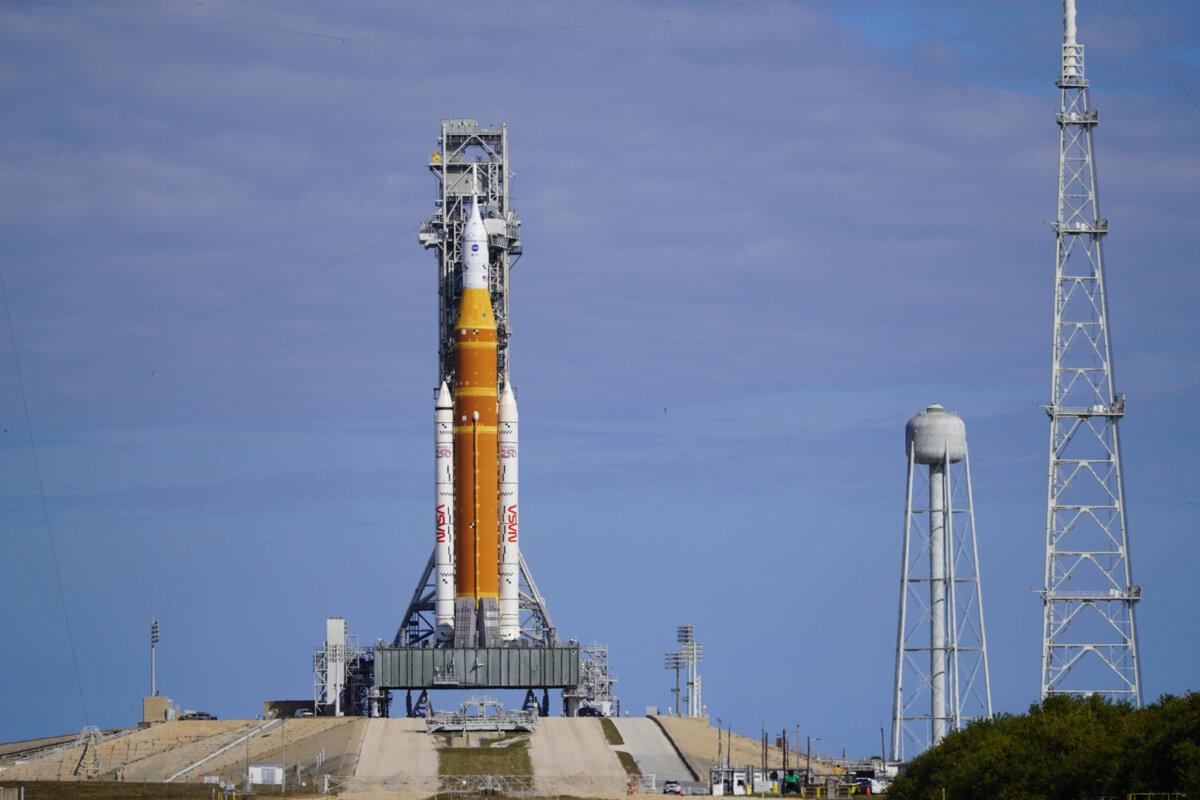
Artemis II will not be cleared for launch until mission leaders deem it to have successfully completed a wet dress rehearsal.
The launch director said that would include going past T-minus 5:15 in the countdown all the way to just T-minus 33 seconds, and demonstrating all of the necessary functions in between, like the rocket and Orion spacecraft running on their own internal power.
She also wanted to demonstrate the system’s ability to reset itself to the start of the “terminal count”—the last 10 minutes before launch.
Still, NASA leaders celebrated how far they were able to progress in the simulated countdown on the first try, to the point where fuel tanks were full, crew closeout procedures were completed, and the crew access arm was pulled away, and remained hopeful for the next launch window.
The Epoch Times asked Blackwell-Thompson if her teams could conduct more than one dress rehearsal if necessary and still make that next window.
“That really is all driven by the problem that you’re encountering,” she said. “What the corrective actions are to go fix that problem.”