NASA’s SpaceX Crew-12 mission to the International Space Station was hit with its first weather delay.
Steve Stich, NASA’s Commercial Crew Program manager, explained during a pre-launch press conference that the delay was caused by unfavorable weather conditions in areas of Crew-12’s flight path farther up the Atlantic coast.
“We could see high winds along a lot of that track, up to 24 to 28 knots, especially in what we would consider our higher risk areas,” he said.
Forecast models showed a low-pressure system moving into the flight path where recovery teams would be staged in the event that the SpaceX Crew Dragon spacecraft had to abort and separate from the Falcon 9 rocket and return to Earth, he said. Hopes for conditions to improve by the next date and time did not appear very high.
“I would say right now, Thursday, the 12th, doesn’t look great as well,” Stich said. “That low-pressure system will likely be there and dominate our weather. So we’ll have our weather briefing in the morning and then make a call.”

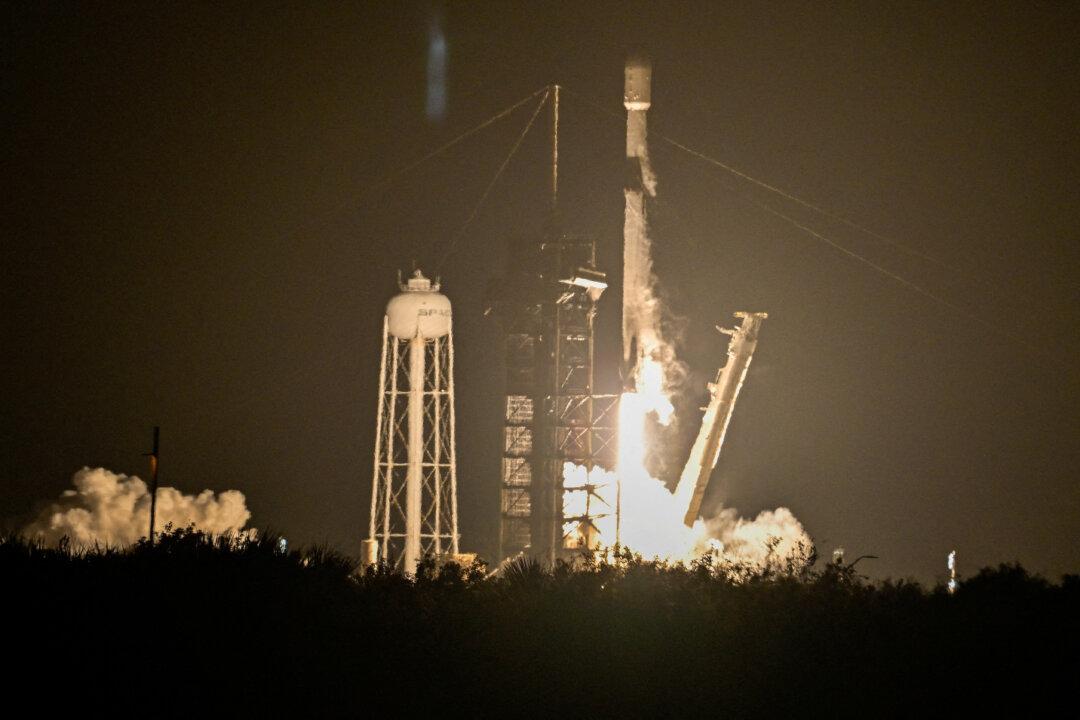
NASA stated that conditions were expected to improve by Feb. 13, and officials said during the press conference that launch opportunities were also available on Feb. 15, 16, and 17.
Crew-12 could also launch on Feb. 14, but their orbital flight to the space station would be much longer. Instead of taking a few hours, a Feb. 14 launch would require more than 40 hours to reach the orbital outpost. SpaceX Crew Dragon capsules are only rated to be in space for a limited time—up to eight months—and mission leaders want to ensure that the crew can spend as much of that time on the station as possible.
NASA astronauts Jessica Meir (commander) and Jack Hathaway (pilot), European Space Agency astronaut Sophie Adenot (mission specialist), and Roscosmos cosmonaut Andrey Fedyaev (mission specialist) are already at Kennedy Space Center making final preparations for their flight.
They took part in a walkthrough demonstration of launch day operations, which included suiting up, strapping into the capsule, testing communications with ground teams, and exiting the capsule.
The Falcon 9 rocket also underwent some tests, which exposed problems that teams were able to address rapidly.
“I would say the vehicles are ready,” Stich said. ”The crew’s ready. The ground systems are ready, and we just have to watch the weather.”