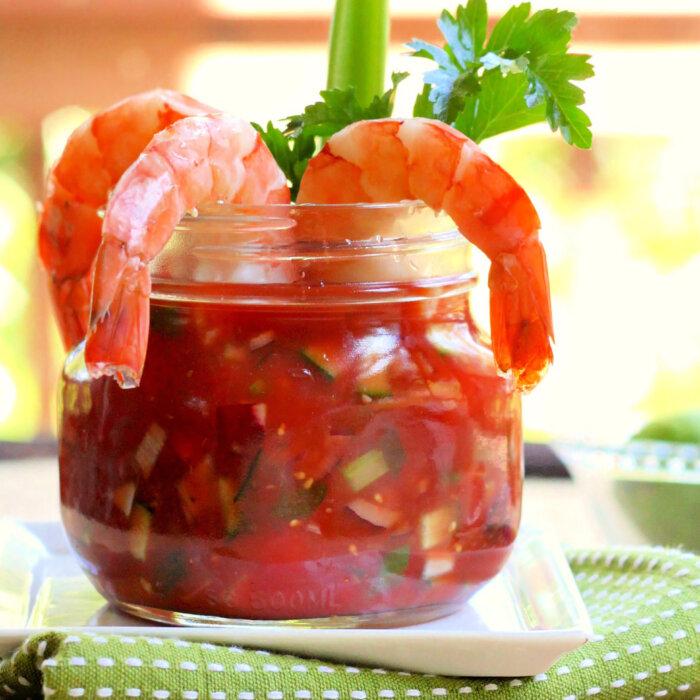

Grocery stores might try to convince you otherwise, but it’s pretty tough to get a decent tomato in Western Pennsylvania in January.
The plump red fruit—preferably homegrown or sourced locally at your favorite farmers market—is at its juicy prime in late summer, forcing tomato lovers either to eat their fill before fall rolls around and then pine for a “good tomato” all winter long, or roll up their sleeves to chop and freeze a few batches or turn a couple of pecks (or a bushel) into sauce.
But then there are husk tomatoes, or tomatillos. Because the small nightshade fruit is largely grown in its native sunny Mexico, they’re widely available year-round in most major grocery stores and Mexican markets.
Harvested when the fruits are still immature, tomatillos have a fresh tangy scent with hints of citrus (think limes or green tomatoes). They’re denser in minerals than red tomatoes and also a good source of fiber and vitamins A, C, and K. A winter “super food,” tomatillos also are high in antioxidants, which help support your immune system and boost overall health.
Because they pair well with garlic, onions, cilantro, and chiles, tomatillos are turned into green salsas, sauces, or jams. The fruit also plays a starring role in the green version of one of Mexico’s most famous stews, pozole.
This one-pot version of the Mexican classic pulls together in about an hour. It’s made by simmering shredded chicken and canned hominy (dried corn kernels that have been treated with an alkali) in a flavorful broth of garlic, chilies, and tomatillos.


I used jalapeño and poblano chiles, but you could swap in serranos for extra heat. The stew also can be made with shredded pork, and some also like to throw in some toasted pumpkin seeds for extra thickness and a velvety texture.
Traditional toppings include sliced radish or avocado, shredded cabbage and a salty, crumbly cheese such as cotija or queso fresco.
After peeling off the papery husk, you'll want to give the tomatillos a good rinse under cool water to remove the sticky sap. For extra flavor, slice and roast the fruit in a 400-degree F oven until soft and slightly charred (about 15 minutes) or broil for 10 minutes.
Serve the pozole with warm tortillas; for a heartier meal, add a scoop of white or Mexican rice.