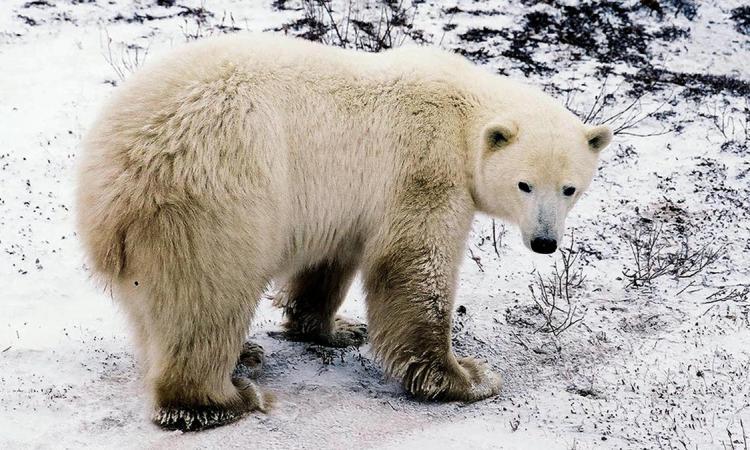
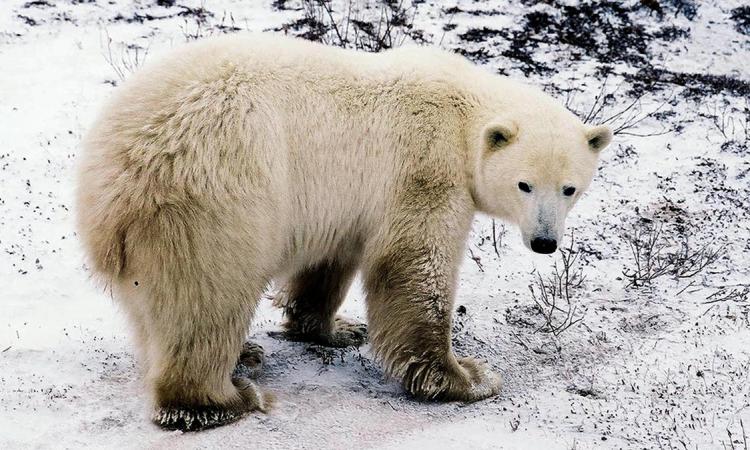
VANCOUVER—One of the world’s largest animal protection organizations is calling on the five countries that have polar bear populations to protect the iconic animals, which they say are threatened on a number of fronts.
Humane Society International (HSI), along with four other animal welfare groups, want Canada, Denmark, Norway, Russia, and the United States to submit a proposal to next year’s CITES meeting to stop the international trade in polar bears.
“Polar bears are facing so many threats right now—from global warming to poaching, trophy hunting, and commercial trade,” said Rodger Schlickeisen, president of Defenders of Wildlife.
The CITES meeting is set for March 13-25 in Doha, Qatar. The countries must submit the proposal to the CITES secretariat in Switzerland by Oct. 14.
CITES—the Convention on International Trade in Endangered Species of Wild fauna and Flora—is an international agreement between governments to ensure that trading in animals doesn’t jeopardize their survival.
In addition to losing their habitat due to melting ice, polar bears living in the Arctic have to contend with pollution, oil and gas development, and the bullets of trophy hunters, according to HSI.
“Polar bears face enormous threats right now,” said Jeff Flocken, the Washington D.C. office director for International Fund for Animal Welfare (IFAW). “The ice they rely on is disappearing and they are
hunted for sport and trade. We need to address these problems now.”
Polar bear parts such as skin, fur, claws, skulls, and stuffed bear hides constantly show up on the international commercial trade, according to HSI. More than 400 polar bear skins are traded annually—mostly from Canada to Japan.
Over half the world’s polar bear population—estimated to be between 20,000 and 25,000—can be found within the vast borders of Nunavut, Canada’s largest territory.
Inuit hunters are allowed to kill polar bears for subsistence. But the Inuit also have the right to sell their permits to foreign big-game hunters, mostly from the United States. Wealthy trophy hunters pay as much as $25,000 to $40,000 to be able to hunt the bears.
In May 2008, the U.S. government added polar bears to its list of endangered species and banned the import of polar bear parts. The proposed ban is currently being challenged in court by American hunters.
Also in 2008, Canada’s expert committee on endangered species proposed for the fourth time that polar bears be added to Canada’s species-at-risk list. While that decision is still pending, Environment Canada said it will not “uplist polar bears under CITES because international trade is not a threat to polar bear populations.”
“Any polar bear from Canada found in legal international trade will have been harvested legally in Canada. We are not aware of illegal trade having any impact,” said Environment Canada spokesperson Sujata Raisinghani.
Raisinghani said the government recognizes climate change as being the single greatest threat to the ice-dependent bears, adding that the bears need to be monitored to avoid uplisting under CITES.
“Canada believes that it is critical that the international trade in polar bears continue to be monitored—as is currently done under its Appendix II listing—so that the species does not become a candidate for uplisting.”
According to Flocken, so far only the U.S. government has officially stated that it is considering the proposal to uplist. The U.S. Fish and Wildlife Service is accepting comments from the public until September 11.