When Chinese leader Xi Jinping met with American business leaders during the May summit in Beijing, he delivered a familiar message: China would continue opening its economy and welcome foreign investment.
But instead of greater openness, only a few weeks later, China began imposing tighter financial and trade controls across the board.
For instance, Beijing is restricting outbound capital while increasing scrutiny of cross-border investment. It’s also walling off strategic sectors, such as artificial intelligence (AI), to outside investors and collaborators and further restricting the flow of information available to foreign businesses and investors.
The contradiction is difficult to ignore. If China seeks to attract foreign capital and restore investor confidence, why is it simultaneously building higher barriers around its economy?
The answer likely lies in a combination of factors. Some of those include economic weakness, geopolitical rivalry, national security concerns, and growing fears inside Beijing that China’s technological advantages could be diluted through capital flight and foreign influence.
Beijing Is Trying to Prevent Capital Flight
China’s economy continues to face significant structural challenges, including weak domestic demand, a prolonged property downturn, local government debt pressures, and slowing foreign investment.Against that backdrop, Beijing is becoming increasingly concerned about money leaving the country.
Recent reports indicate Chinese brokerages have sharply restricted new cross-border investment activity through total return swaps, a mechanism used by investors to gain overseas exposure. The move is widely viewed as part of a broader effort to curb capital outflows and strengthen government oversight of financial flows.
China’s new overseas investment regulations also expand government authority over outbound investment, technology transfers, and cross-border capital movements.
AI Is a National Security Asset
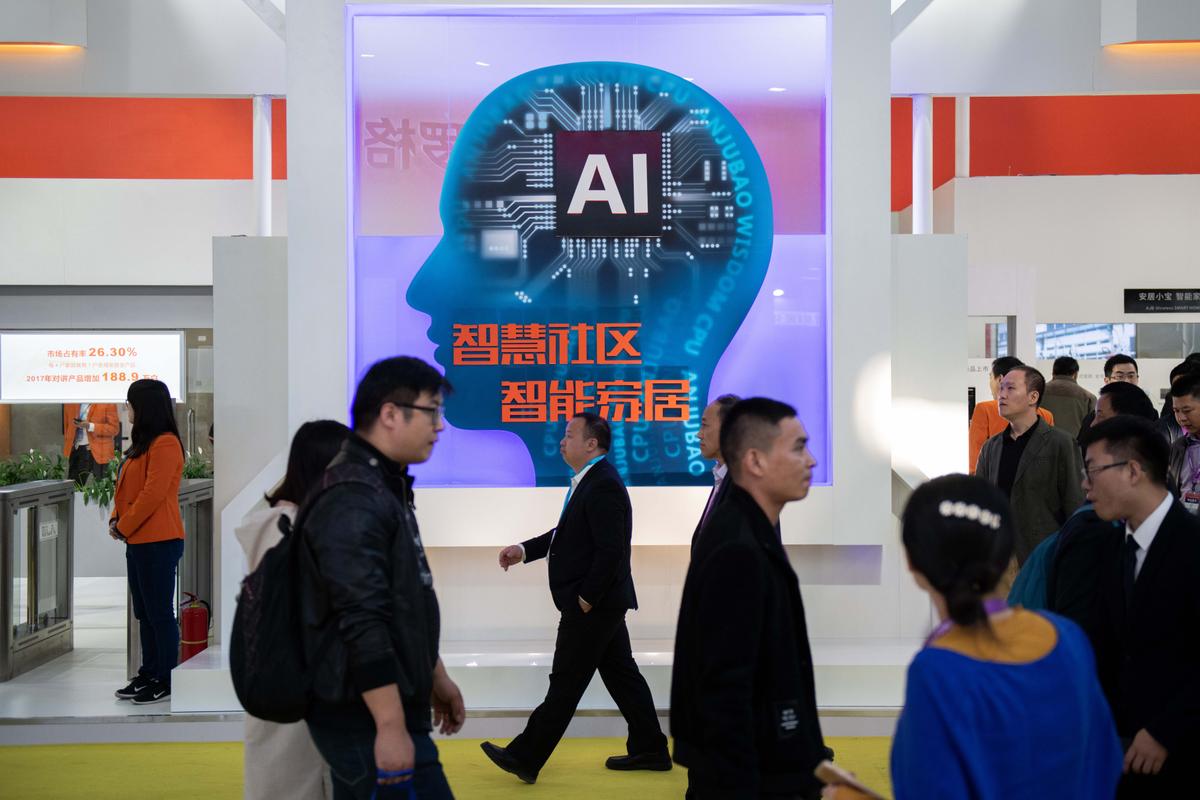
Artificial intelligence is another factor driving Beijing’s tighter restrictions. As is now widely understood, AI is no longer viewed merely as a commercial industry; it is strategic national security.As U.S. export controls continue to target advanced semiconductors and AI-related technologies, China is responding by imposing tighter restrictions on technology transfers, AI talent mobility, and foreign involvement in sensitive sectors.
The tighter Beijing’s control becomes, however, the harder it may be to convince foreign investors that China’s technology sector remains accessible and predictable.
Beijing Is Preparing for Long-Term Economic Conflict
The bigger picture is that Chinese policymakers believe that economic confrontation with the United States is not temporary but structural.They’re not wrong.
Most recently, the U.S. Department of Defense expanded its Section 1260H list, adding numerous major Chinese companies.
China responded with export controls targeting American companies involved in defense, aerospace, and rare earth supply chains.
Transparency Creates Foreign Investor Uncertainty
One of the least discussed aspects of China’s policy shift is the reduction in transparency available to foreign investors.Information itself has always been a strategic resource, and the lack of it a risk factor, but never more so than today.
Data restrictions, tighter reporting standards, limitations on information sharing, and growing scrutiny of foreign due diligence activities make it increasingly difficult for international firms to assess risk inside China.
The result is greater uncertainty for investors.
China’s new regulatory framework increasingly links economic activity with national security considerations, creating additional compliance burdens for multinational firms.
CCP’s Political Priorities Outweigh Economic Liberalization
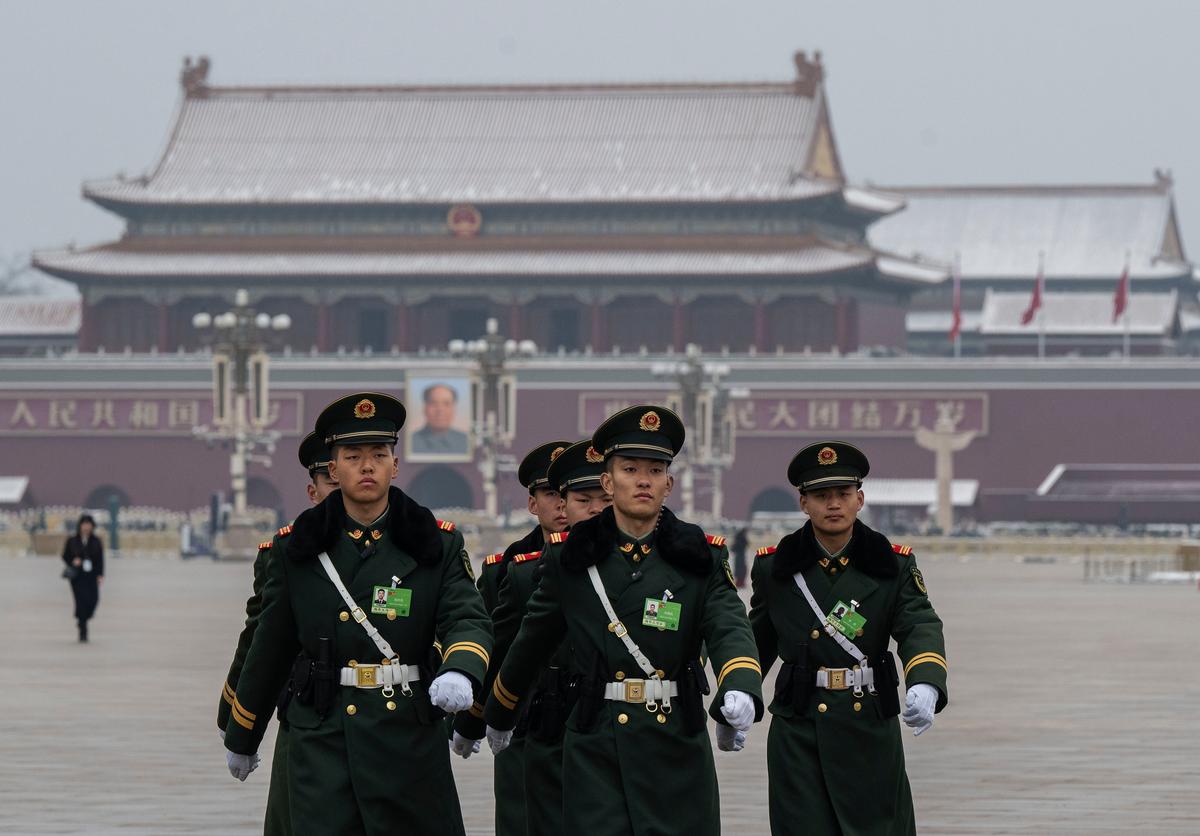
There is also the very big problem the Chinese Communist Party (CCP) faces, which is maintaining control over the country. China’s economic reform era was built largely on market liberalization and integration with the global economy.However, the Party’s governing philosophy places greater emphasis on security, resilience, self-sufficiency, and political control.
That shift helps explain why Beijing often speaks the language of openness while implementing policies that increase state oversight.
From the Party’s perspective, maintaining control has always taken precedence over maximizing foreign investment.
Potential European Blowback
If Beijing continues down this path, Washington and Brussels are unlikely to stand still. In fact, several responses are already emerging.For example, Europe has increasingly embraced “de-risking” rather than decoupling. While the terms differ in scope and pace, both reflect the same broader goal: reducing dependence on China.
The US Response
In the United States, the Pentagon’s expansion of the Section 1260H list demonstrates Washington’s growing willingness to classify Chinese firms as linked to China’s military-industrial complex.Additional designations could further limit access to U.S. government contracts, investment, and partnerships.
What’s more, Congress and regulators may increase scrutiny of Chinese firms seeking access to American capital markets.
Increased Tensions in Strategic Regions
If tensions continue rising, additional tariffs targeting strategic industries could emerge on both sides.Economic rivalry increasingly overlaps with security competition in the Taiwan Strait, South China Sea, and Indo-Pacific region.
As economic trust deteriorates, geopolitical risk tends to rise.
Clearly, Xi’s promise of greater openness was intended to reassure global investors. Yet recent policy decisions suggest Beijing’s priorities lie elsewhere.
Capital controls, tighter AI oversight, reduced transparency, and increased state intervention point toward a China that is becoming more insulated rather than more integrated.
The irony is that every step the CCP takes to strengthen control may accelerate the very outcome Beijing hopes to avoid. As trade and capital flows with China become riskier and costlier, Western countries will be driven to expand their efforts to de-risk, reduce foreign investment, and accelerate the restructuring of global supply chains away from China.