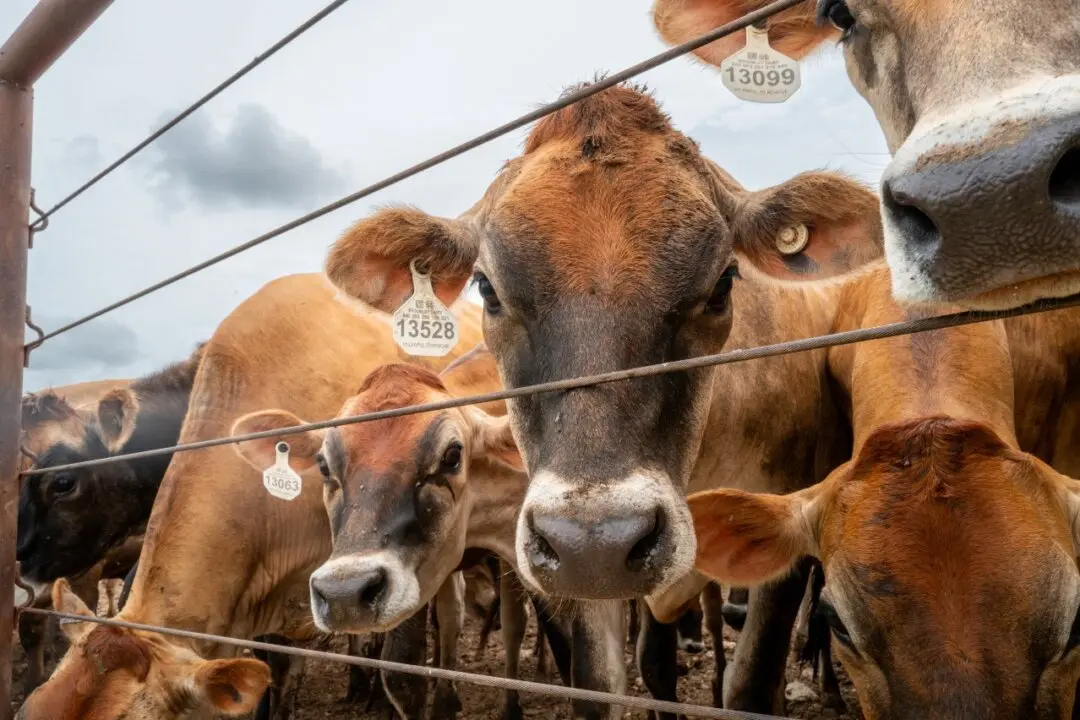
In a perfect world, we would all buy our beef directly from a farmer we know. A farmer whose cattle we can see grazing in a field when we drive by. A farmer who does not need a label because trust is built face-to-face.
But I know that is not reality for most people.
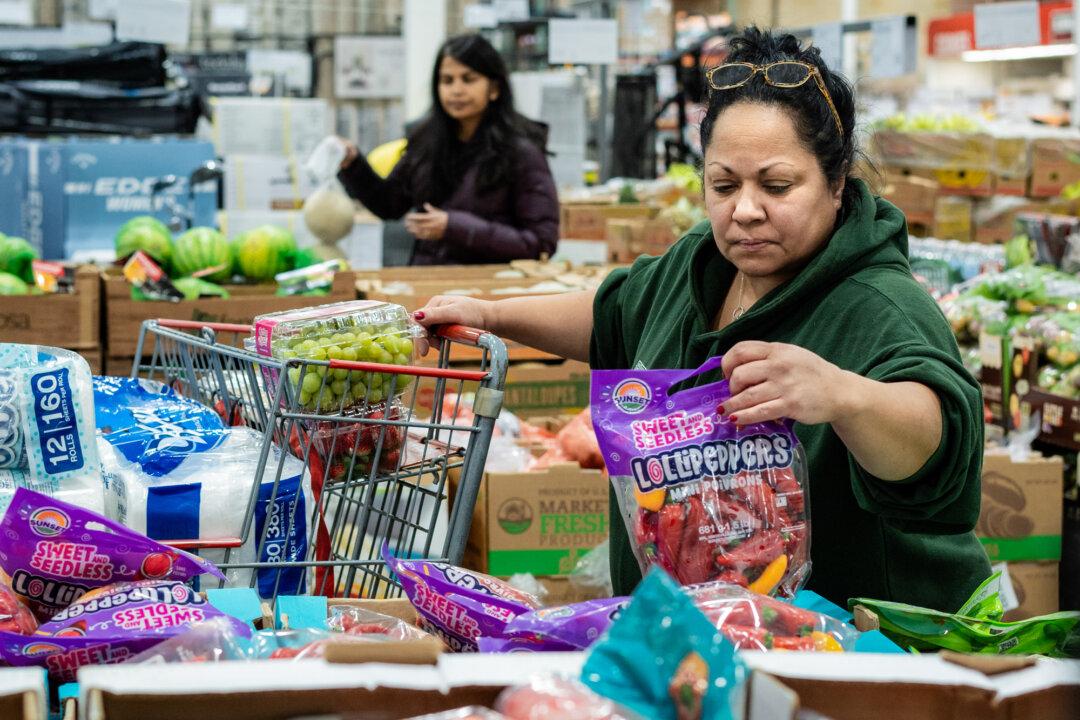
Most Americans buy their beef at the grocery store along with everything else their families need. And that is exactly why a small but significant change that took effect Jan. 1 matters, even if it has not gotten nearly the attention it deserves.
For years, the label “Product of USA” did not mean what consumers thought it meant. Beef could be raised in New Zealand, Australia, or Brazil, shipped to the United States as a carcass, cut or ground here, and legally labeled a product of the United States simply because value was added through processing.
I can understand why that rule existed. Processing creates jobs. Infrastructure matters. But it also created a massive loophole.

It meant consumers believed that they were supporting U.S. ranchers when, in reality, they were often just supporting U.S. processing plants, many of which are owned, in large part, by foreign interests. It also meant ground beef routinely contained meat from multiple continents mixed together in a single package.
There is no scientific evidence proving that eating beef with DNA from multiple continents in one hamburger is harmful, but I do not believe it is how God intended us to eat. I am even stricter. I believe single-origin ground beef, one cow and one hamburger, is the way we were meant to consume meat. In today’s food system, that is nearly impossible unless you buy directly from a farm like Sovereignty Ranch, but I digress.
To be precise and honest, conventional grocery store ground beef is not made from a single animal. It is produced by combining trim from many animals, often dozens and sometimes more, through large-scale industrial processing. While claims that a single package contains meat from a thousand cows are usually theoretical rather than typical, the core issue remains. Consumers are rarely eating beef from one animal unless they buy directly from a local farmer or small processor.
Here is the important part.
As of Jan. 1, “Product of USA” finally means what you think it means.
Moving forward, if you see “Product of USA” or “U.S. Beef” on meat, it means that the animal was born, raised, slaughtered, and processed in the United States. No more loopholes. No more relabeling imported beef through processing alone.
This is a voluntary program. Companies are not required to use the label, but if they do, they must meet the full standard.
That is actually why this is a win.
If there is no label, the consumer knows they do not know. That beef may have been imported, or the company may have chosen not to undergo the verification process. Still, either way, the consumer is no longer being tricked into believing they are supporting U.S. ranchers when they are not.
Some critics say this does not go far enough because it is voluntary, and they are not wrong to raise that concern. Mandatory country-of-origin labeling is on a separate legislative track and appears likely to come in the future. But mandatory systems often become expensive, bureaucratic, and an opportunity for overreach and surveillance.
As someone with libertarian leanings toward voluntaryism, I see this as a meaningful step in the right direction. It gives power back to the consumer without immediately burying producers in compliance costs.
There is another reality worth acknowledging. U.S. beef is likely going to cost more.
Before Jan. 1, many consumers were buying beef labeled “Product of USA” that was not actually U.S. beef. When prices rise, it can feel like U.S. beef suddenly got more expensive. It did not. We simply became more honest.
I do not believe that we should stop importing meat from other countries. I believe deeply in informed consent, in medicine, in food, in what we put in our bodies, and in what enters our air and water. If consumers know what they are buying and choose it freely, that is a functioning system.
What is not acceptable is diluting our food supply with cheaper meat from countries with lower labor standards and fewer regulations, slapping an American flag on it, and misleading people into believing they are supporting U.S. ranchers.
In closing, I want to be very clear, even if it sounds repetitive.
If it feels like I am constantly urging people to buy from their local farmers, it is because so many of us are barely hanging on. We are white-knuckling it, trying to make ends meet, not because we are inefficient or entitled but because the current system is stacked against the people actually producing food.
I have a friend who says that if just 10 more families committed to buying from her farm weekly, her operation would become sustainable. We have had the same conversation here. If we could serve six or seven more customers per day in our farm store and restaurant, it would make the difference between breaking even and losing a little money every month.
None of us is trying to feed the world. We are trying to feed our communities and our families.
Every single family that supports a small farm makes an outsized difference in whether that farm survives.
Nearly 170,000 farms have disappeared in the past eight years. Roughly 85 percent of farmers now work off-farm jobs, often losing money just to keep growing food. That is not a sustainable system. It is a system quietly collapsing.
So yes, every purchase matters.
No grocery store label will ever replace buying directly from a local farmer. But for those who cannot, this change matters. For the first time in a long time, choosing beef labeled “Product of USA” actually gives U.S. farms and ranches a real advantage.
We, the people, have the power to turn this around for small farms—not through mandates or bureaucracy but through everyday choices.
For the first time in a long time, the choice is real, not a red, white, and blue illusion, but honesty.