I hate to say I told you so. Actually, maybe I don’t hate it quite as much as I should.
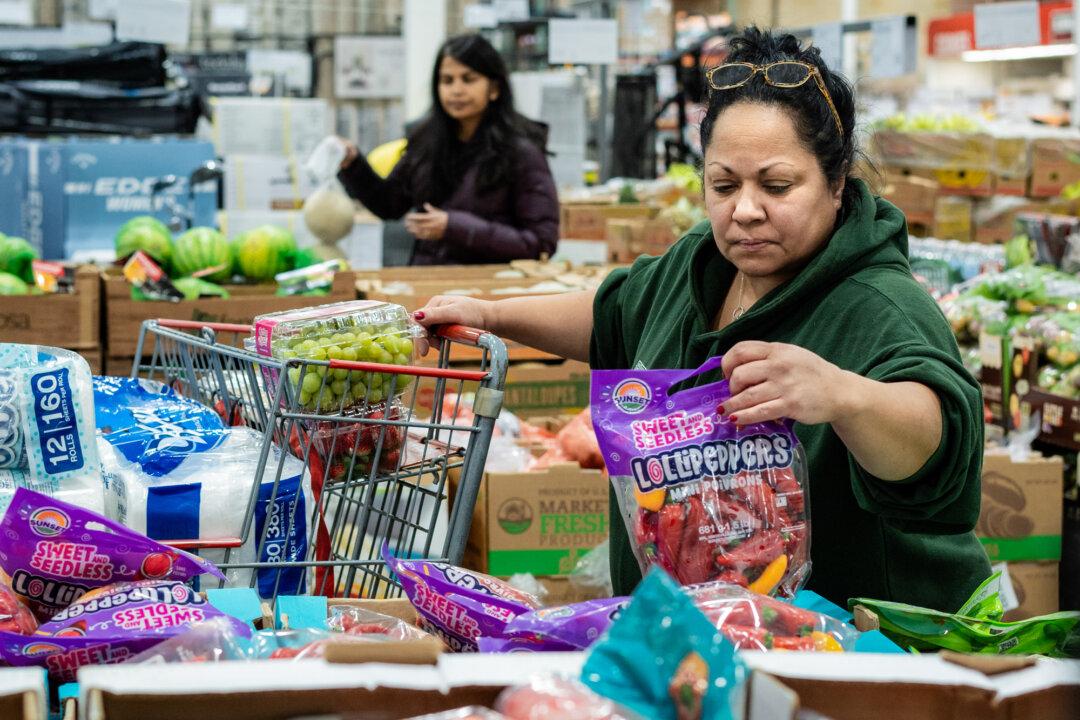
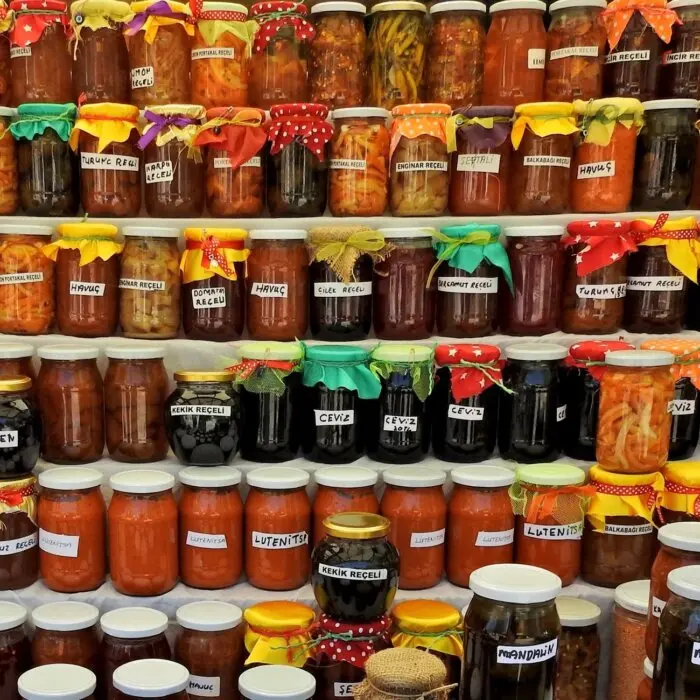
Recently, I wrote here about something that had been bothering me every time I walked through Costco. Avocado oil was suddenly everywhere. Chips, mayonnaise, dressings, cooking oils, product after product proudly announcing that they were made with avocado oil.
As a former avocado farmer and a food producer, I kept looking at those shelves, thinking: I don’t understand how this is possible. Where are all these avocados coming from?
I didn’t believe avocado oil production could scale at the rate the packages suggested. I suspected that some of the avocado oil being sold was adulterated.
And now, here we are. This week, reports have circulated that avocado oil products from multiple major companies are failing to live up to what consumers reasonably believe they are buying.
There is a temptation to reduce this to a simple story about dishonest corporations. Certainly, if a company says a bottle contains one thing while knowingly selling another, it should be held accountable. But I think there is a much larger problem hiding underneath it.
The real world doesn’t operate in black and white, but labels do.
What happens when a farmer, producer, or manufacturer has to make a decision in real time that isn’t consistent with the label?
I encounter versions of this question constantly in farming. I believe organic livestock producers should be able to use antibiotics when an animal truly needs them. I don’t want antibiotics routinely given to animals to compensate for overcrowding, poor husbandry, or an industrial production system that makes them sick. But sometimes an animal gets sick anyway.
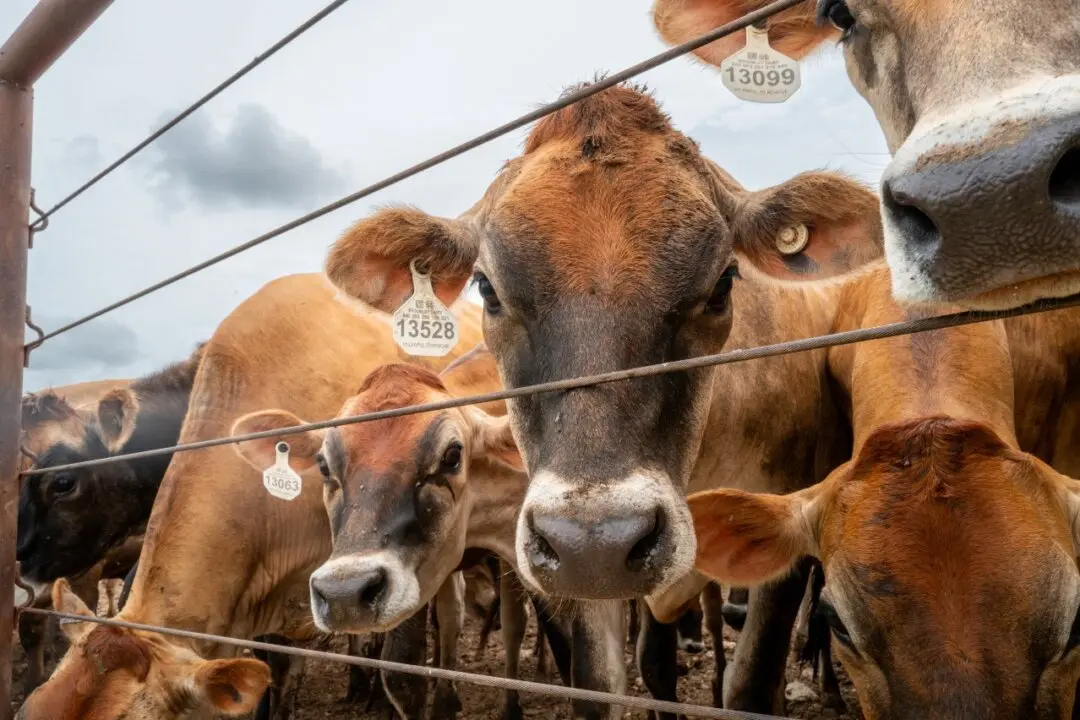
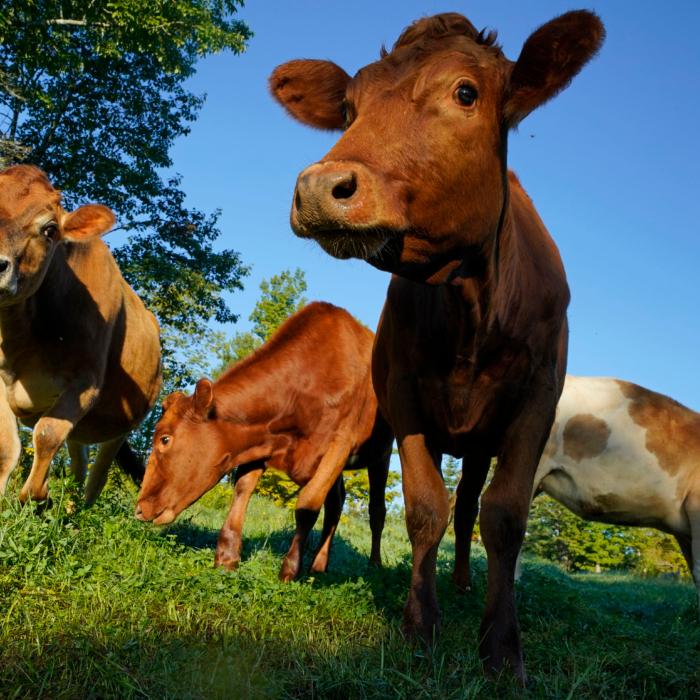
A cow gets mastitis. An infection develops. An animal is suffering. There may come a moment when the right decision for that individual animal conflicts with maintaining a particular certification. Which matters more, the animal or the label?
I’ve known farmers who have made similar compromises with tillage or chemicals. Something went terribly wrong, and they decided that one intervention they would not ordinarily make was necessary to get a fresh start. I don’t necessarily think making that decision makes them bad farmers. I think it makes them farmers.
Agriculture happens in the real world. That means drought and floods, insects and disease, crop failures, and sick animals. It means human beings standing in fields and barns making decisions with incomplete information. But somewhere downstream, we have built a food system that requires absolute declarations: organic, grass-fed, antibiotic-free, seed oil-free, avocado oil.
Consumers understandably want those words to mean something. I certainly do. The problem comes when we confuse a label with reality.
I saw this after I recently wrote about research finding lactation in steers at slaughter. My inbox is filled with people asking essentially the same question: Then what am I supposed to eat?
Should I buy expensive meat? Should I stop buying conventional beef? Are you saying healthy food has to be unaffordable?
I don’t want food to be expensive. Or maybe that isn’t quite true. I want food to cost what it actually costs.
I want the people growing our food to be able to make a living without being under immense pressure to cut every possible corner. I want the enormous corporations and chains of middlemen between farmers and consumers to be accountable for what they sell. And I want consumers to have enough truthful information to decide what compromises they are willing to make.
Because compromises are being made, whether we acknowledge them or not.
That is true on a 20-acre family farm and inside a multinational food corporation. Human beings make decisions in real time, and sometimes those decisions run counter to a certification, a label, or even their own personal belief system.
The question isn’t whether we can create a food system where nobody ever has to make a compromise. We can’t. The question is how those decisions are communicated.
Maybe a company should be able to say: We are transitioning to avocado oil. These products are there. These aren’t yet.
Maybe a farmer should be able to say: I farm organically, but this cow became sick, and I treated her with an antibiotic because allowing her to suffer would have violated my principles more than using the medicine did.
Maybe another farmer says: I haven’t used herbicide in eight years, but this year I used it once in this field, and here is why.
Then you get to decide. That is informed consent.
Our obsession with labels comes partly from trying to replace something our food system has lost: relationship. When you know your farmer, you can ask what happened. You can understand the circumstances. You can decide whether their compromises are compromises you can live with.
A package cannot have that conversation with you.
But there is another side of this that consumers, myself included, don’t always want to hear. We have responsibility, too.
The ease and comfort with which food comes to us are not normal. For nearly all of human history, feeding ourselves required an enormous amount of work. Today, we walk into a grocery store and expect strawberries in December, avocados year-round, meat wrapped neatly in plastic, and thousands of products waiting for us at prices we can afford. We expect abundance, convenience, consistency, and, increasingly, purity—all at the same time.
Something has to give.
If we want a different food system, we may have to work a little harder for it. We may have to drive farther, ask questions, know a farmer, cook something instead of opening a package, pay a little more for one thing, and buy less of another. We may occasionally have to accept inconvenience in exchange for integrity.
We talk constantly about changing the food system as though someone in Washington or some giant corporation needs to do it for us. Certainly, laws matter, corporations should be accountable, and fraud should have consequences. But we are also voting on the food system every single day with our dollars.
An uprising doesn’t always have to look like people battling in the streets. Sometimes, it looks remarkably ordinary.
It looks like quietly doing the right thing when the easier choice is sitting right beside it on the shelf. It looks like supporting the farmer who tells you an uncomfortable truth instead of the company that sells you a comfortable promise. It looks like asking one more question and being willing to live with an answer that doesn’t fit perfectly on a label.
One family, one choice, one meal, one decision at a time.
Maybe we don’t need another label to save us.
Maybe we need to remember that building the food system we want has always been our responsibility, too.