I’m sitting in a casual bistro sipping a cup of coffee on Capitol Hill, Washington, D.C., and typing away. Suddenly I noticed something. Every man in the place was wearing a coat and tie. Mostly they were in suits, tailored and pressed. Shoes were all well shined.
It struck me that there are few places in the world where you would see anything like this in a public coffee shop with a street-level entrance.
This is not about money. It’s not that these people are rich whereas most people in the country are poor and cannot afford such clothing. That’s not the issue. You can see images from bread lines during the Great Depression with long lines of men wearing suits, ties, and hats. Even now, thanks to so many apparel marketplaces, excellent clothing for men is very affordable.
There is something else going on here, something about the culture of D.C. that nudges men to look their best.
Years ago, when I did my first internship in D.C., some typical player instructed me that in New York City, the currency is money, whereas the currency in D.C. is power. Sure, that sounds cheesy, and it is, but there is truth in the statement. Translating that observation to something more humane, we could say that reputation and who you know are more important in D.C. than the bank account. That seems true.
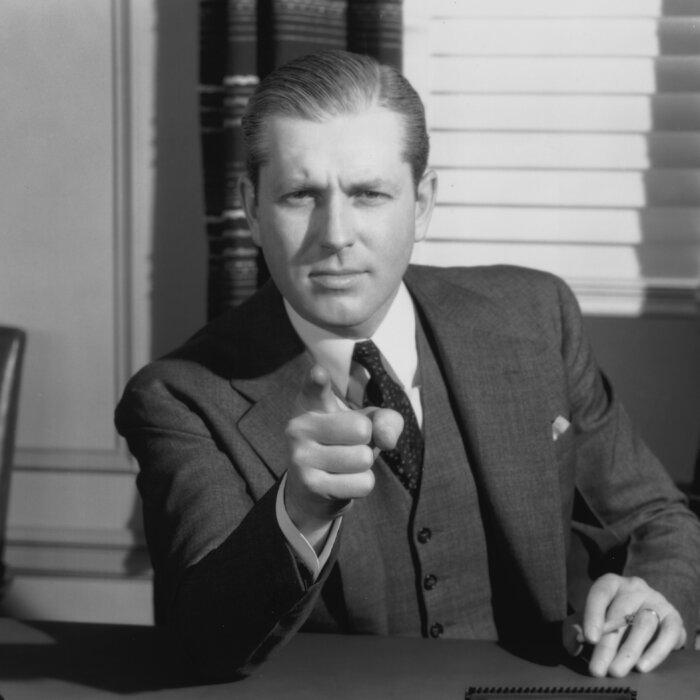
How does this translate to how people dress? Of course people want to look their best in this setting. That’s a given. But there is more going on here. How one dresses is a sign and symbol concerning one’s attitude toward a venue, a space, a community, a vocation, and a purpose. Dressing high means honoring the occasion and those who inhabit it.
Most people get this wrong: dressing well is not mainly about you and your personal preferences; it’s about what you are saying toward others and the occasion.
This matters in every aspect of life, but nowhere more so than in the halls of government. To be sure, there are plenty of disreputable things that go on in any capital city. But the most professional posture is to dress as if being there is the single greatest privilege of your life. You are meant to honor the opportunity and others who are there with you. As a result, dress gets higher and higher.
Walking along the sidewalk, I came across a group of young men who looked to be in high school. They were being led around on a tour by an older man who was explaining to them what’s what and who is who. What struck me was their dress. Every young man was in a dark blazer, pressed shirt, wool pants, and a tie. They all looked fantastic. Maybe it was a mandate or just an instinct at work, I do not know. But such a scene would hardly exist in any other city.
As the nation’s capital, D.C. is filled with politicians, lobbyists, diplomats, lawyers, think-tank experts, and high-level staffers for whom dressing well is a sign of authority, competence, status, access, and ambition. Tailored suits in navy, charcoal, or subtle patterns—a notable absence of edgy fashion—crisp shirts, quality ties, and polished shoes are the norm. This creates a city-wide baseline of intentional dressing that’s higher than in most other American cities, where casual or athletic wear prevails. Even tourists to the nation’s capital adopt this polished aesthetic to fit in.
You see it during the season of political debates, where everyone is lined up on stage. There is no formal uniform but actually there is a de facto uniform. A man who shows up in a tee would never be taken seriously in this setting. Sometimes the ubiquity of navy suits and red ties can be a bit much—there are ways to innovate a bit around this—but the point remains. When you are looking for votes, you want to look worthy of them.
In a hyper-competitive environment—it’s not money and profitability that matter so much as access and who you know—where appearances can influence careers, networking, and influence, men invest in clothing that projects confidence and reliability. You see well-fitted suits on powerful figures.
This has become more intense in recent years with the revival of classic and tailored menswear: Recent years have seen a noticeable uptick in interest in traditional American tailoring, custom suits, and “old money” looks. You only need to visit any men’s store in D.C. to see what is on the rack. Forget fashion; what we have here is a deep nostalgia for the golden age of menswear in the 1940s and 1950s.
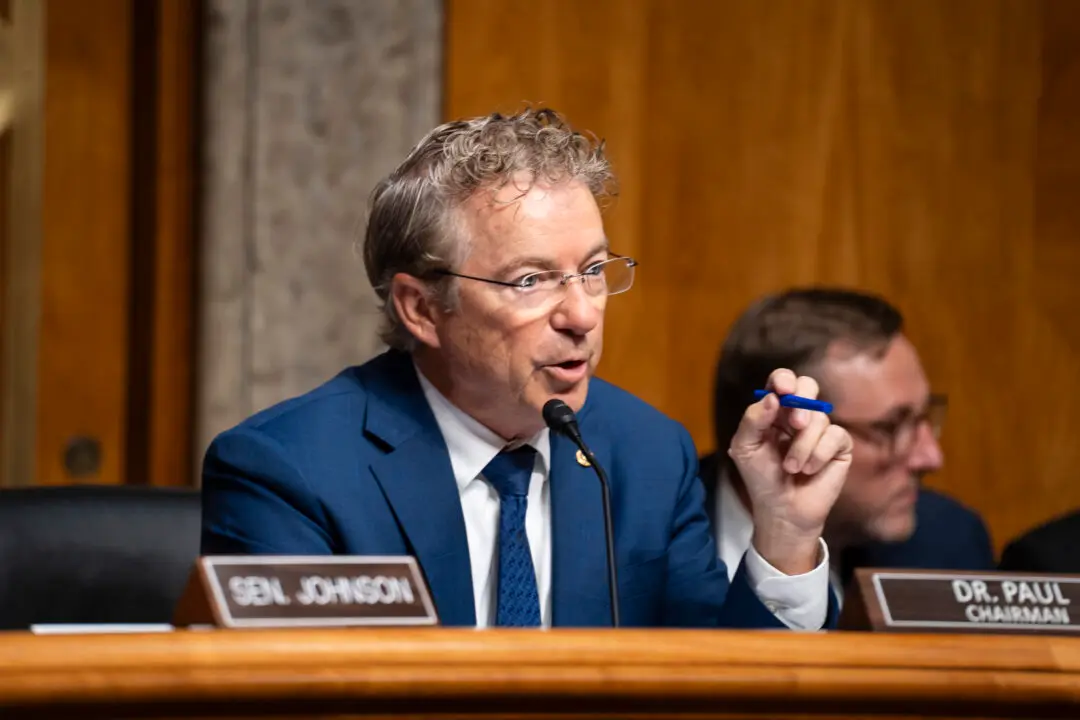
Think of how every man looks in a Congressional hearing. I’ve never seen a man testify without a tie. Even Senator John Fetterman, famous for his hoodies and shorts, came to the State of the Union address in a suit and tie. If you can get that guy to dress up, anything is possible. And keep in mind, there is no formal dress code. It’s just what people do given the environment in which what you are saying about others deeply influences what others think about you.
In the last several decades, during economic boom times, a new way of thinking emerged among men that how you dress is a personal statement. You owe nothing to anyone. You have nothing to prove to anyone. The dress of Silicon Valley became the hoodie and jeans, a kind of reverse ostentation to broadcast that you don’t really care how you are perceived because your genius speaks for itself.
Notice that even Mark Zuckerberg has grown out of that fallacy. The more competitive the environment, the more you are rewarded for honoring others for making an extra effort to look your best.
What about dress codes? I’m all for them but they are not nearly as effective as social pressure alone. Plus they can go awry. I recall my personal embarrassment going into a restaurant in Cancun, Mexico, and being denied entrance. I was wearing a coat, pressed shirt, and a tie, plus shorts and boater shoes, a look I thought was consistent with a vacation sensibility. They stopped me from being seated due to my short pants! I hurried back to my hotel room and changed. All was well.
These days, dress codes are regarded as overly coercive. I once tried to impose one at my place of work—as manager I was certainly entitled to do so—but found myself on the receiving end of a ferocious pushback that made enforcement impossible. That struck me at that time as childish and rather petty.
Honestly, men, there comes a time when you are supposed to grow out of flip flops and sweats! Again, it’s not about you: it’s about the message you are sending to others. You could say “I don’t care” or “I have respect for you enough to look my best.”
The culture of D.C.—as disreputable as it is in many ways—at least has this right. There is no formal code but everyone knows that if you hope to have any influence, you must look the part. It’s not just true on Capitol Hill. It’s true everywhere. Learn that lesson in life and you stand a better chance of success.