In the 1960s, beach culture received probably its biggest boost ever. More people than ever were in a position to get to one with cars and planes and so they became a top vacation spot. There were the Elvis Presley films, Frankie Avalon and Annette Funicello finding the perfect beach, the fun new bands, and the TV shows.
For the Northeast states, we are now in prime beach season. It means packing the car with coolers, chairs, boogie boards, umbrellas, pop-up cabanas, buckets and shovels, and huge towels. Drive several hours and park in giant lots. Slog to the sand and find your spot. Slather yourself with sunscreen and take it all in.
It’s all so different from normal life. Seagulls soaring above, making nutty noises, kids everywhere with yelps of joy, sand architects making things, people testing the water to see how far out they can go, discovering unusual shells buried in the sand. The sounds, the sights, the smells. It’s all so spectacular, a world unto itself.
All that said, I don’t think the fun and glamour is the real draw. There is something else going on.
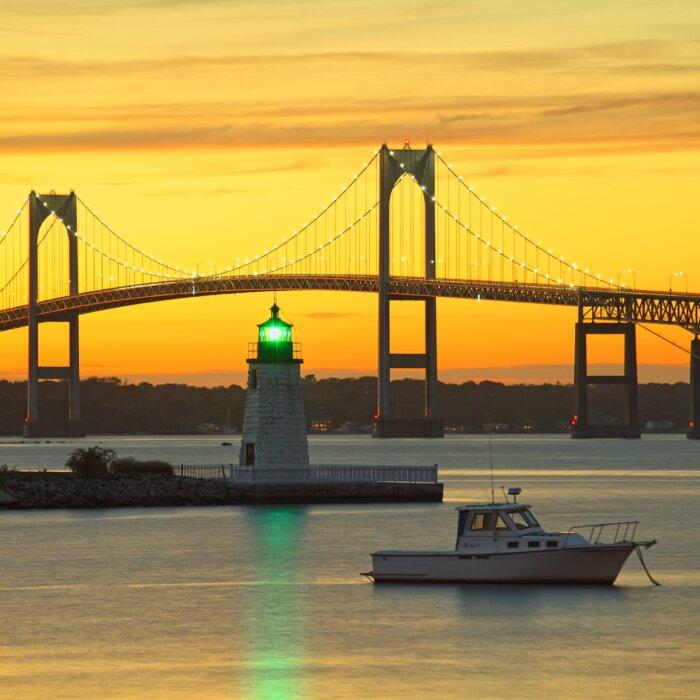

My story begins with a storm in the forecast. People cancelled plans. The storm did come overnight. Raging winds and rain, thunder cracks all night. I was sleeping near the water and heard and saw its power, which was awesome.
By morning, however, the rain stopped and the wind had died down. The sun brought new hope, as it always does. But still people stayed away, which left me nearly alone on the beach.
People must have known what I did not know, which is that such a storm profoundly changes the way the Atlantic Ocean behaves. The waves were high, wide, and powerful all day but I could not resist exploring the feel of it all.
The water was bracingly cold on my feet where I stood staring into the endless abyss of the ocean itself. It invariably imparts a sense of depth and space that is beyond the ability of the human mind to grasp.
A map is an abstraction that tells you what is true. But it has little to do with the reality of standing at the edge of a vast ocean of which one can only see the surface. The strange world underneath is a mystery one can only imagine, a universe of life wholly unlike ours.
I step further and further into the ocean and the waves grow higher, as the wet and cold creep up more and more to my torso and then shoulders. Seemingly out of nowhere, I’m swallowed on all sides. It’s a force I had not anticipated. Just when you think you are in control of the space, the ocean after a storm is there to make you realize otherwise.
Quickly I was lifted up completely, as if the ocean thought absolutely nothing about my height or weight. It treated me like a tissue or tiny pebble of which it had no concern at all. Imagine being picked up by a huge grizzly bear but one 50 times larger than any in nature. In an instant its power swallows one completely with a ferocity I’ve never experienced.
I was back on the sand, a place not of my choosing. I was immediately taught who was master and who was nothing. My mind fell back on a scene in fifth grade when I got in a fight on a basketball court when I was subjected to fighting moves I had not expected and found myself on my back, overwhelmed and overpowered. And yet it was more powerful than that, like ten thousand fighters had clobbered me in an instant.
The feeling of physical helplessness turns out to be a bit addictive and so I tried again. Walking back in and attempting to go further, a vast wave more powerful than the last tossed me again, up and over and back to the point that even once my feet touched the ground, I could not stabilize myself and instead writhed and rolled around in exhaustion.
Catching my breath, I went back and back again, unable to give up the experience. Exhaustion set in that retained exhilaration.
In most of our days, and in all messaging in public life, the underlying assumption is that human beings are in charge. We are the masters of our fate. We discover new cures, new technologies, new ways to make life better. We go where we want, do what we want.
We shape our lives and societies according to the results of our thinking and doing. Anthropocentricism is the prevailing presupposition of our culture and the underlying basis for how we think.
The ocean has a different message for us. We are tiny, powerless, almost irrelevant. We can be picked up and tossed away in an instant. The message imparts the rarest attitude: humility. We can only bow in supplication before the power of the ocean and the storms that give rise to its anger.
If we encounter the beach as warm and friendly, as in the Gulf, we can be deceived. The Atlantic following a stormy night reveals its true self: unforgiving, unregarding, intimidating, even terrifying.
These things cover two-thirds of the surface of the earth, outnumbering that which we believe we control by two to one. It’s the force that is in charge, and serves as a symbol of the rest. It’s nature not man that reigns supreme. We are but bit players in the whole, flattering ourselves with puny attempts to govern ourselves and our world.
“What is man that thou art mindful of him,” asks the Psalmist in a state of awe to “consider thy heavens, the work of thy fingers, the moon and the stars, which thou hast ordained.” Why do we matter to God at all? There is only one answer: God made us. We are part of the work of thy fingers and hence owe deference and worship in return.
There it is, that overwhelming sense of humility we need to recapture in our own interest. We dare not challenge the power of the ocean but the same goes for the whole of the created order and its ultimate architect.
Just imagine how absurd it is that governments imagined that they could manage the climate to perfect and master the microbial kingdom to suppress a tiny virus, among other acts of arrogant insanity in our times. It’s utter foolishness and results in nothing more than destruction however unanticipated and unintended.
In folklore, a wise King Knut took his courtiers and sycophants seaside to command the tides. The tides did not obey, thus making his point: his power is limited by forces outside his control.
We too have the power to build sand castles but have no power to prevent the tides from swallowing them when the tides shift.
This is the real lesson of the beach. It’s only superficially about fun, skin, games, and glamour. Those are just stories we make up to make the actual lesson it teaches more palatable.
The real purpose, the authentic source of amazement, provided from the vantage point of the beachfront is to remind all of us at how little we actually matter. Take one wrong step and we are tossed aside as the speck on earth that we truly are.
By all means, play the music, drink the sodas, gawk at the people. But also pause to consider the vastness of it all and what that means for our lives. Get a tan and the tan fades. Gain a lesson in the vastness and power of the created order and our place within it: that stays with us.