Beef is in the news. Why? As a grass-finished beef producer, here is my perspective on the situation. It involves both long-term and short-term issues, and in most contexts, some are easier to solve than others.
The American domestic beef herd is at its lowest level since 1950. Since official inventories began in 1867, a roughly 10-year to 13-year price cycle has followed supply and demand. When prices increased, farmers expanded their herds, and when prices decreased, they contracted them.
This cycle has been relatively consistent until the past two, especially the current one. Historically, when prices are high, people jump into production, and when prices plummet, they exit. The high years have historically dominated three years of the cycle, with the rest of the cycle either at a midpoint or on the low side.
Unlike other livestock, such as poultry and pigs, the cattle cycle is necessarily long due to how long it takes to gestate a calf and grow it to slaughter weight. The decision to expand a cow herd requires additional heifers to be retained for breeding, then a 9 1/2-month pregnancy, then an 18-month to 30-month grow-out. And a cow has only one calf. Sheep normally have two. Pigs have eight to ten piglets and can farrow (give birth) twice a year. A chicken, of course, is the most prolific, able to lay 200 eggs in a year that can hatch, grow, and breed within six months. Because of these differences, cattle are the slowest to respond to market cycles.
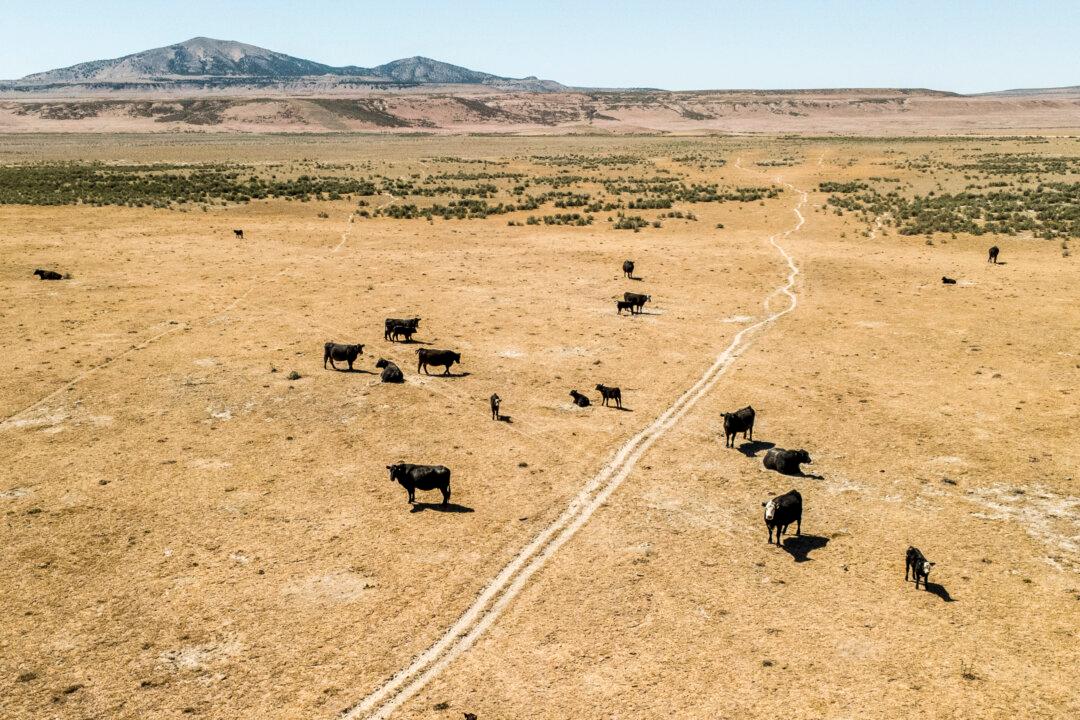
The current collapse of America’s beef cow inventory occurred during the 2020–2022 droughts in the Southern states. In 2021, I met with farmers in Mississippi who reported that cows stepped into large open cracks in the soil and broke their legs. Tragic. Cattle country throughout Georgia, Alabama, Mississippi, Louisiana, Texas, and Oklahoma suffered forage losses and, therefore, downsized herds or even liquidated them.
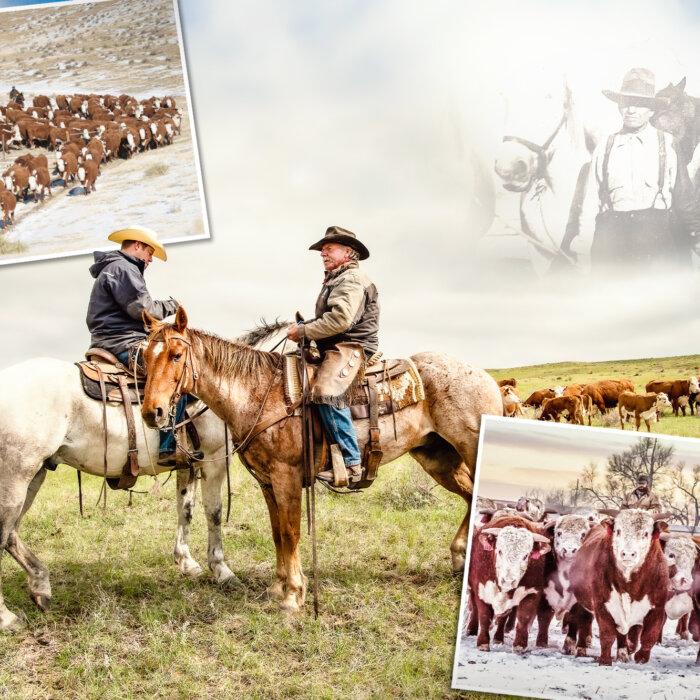
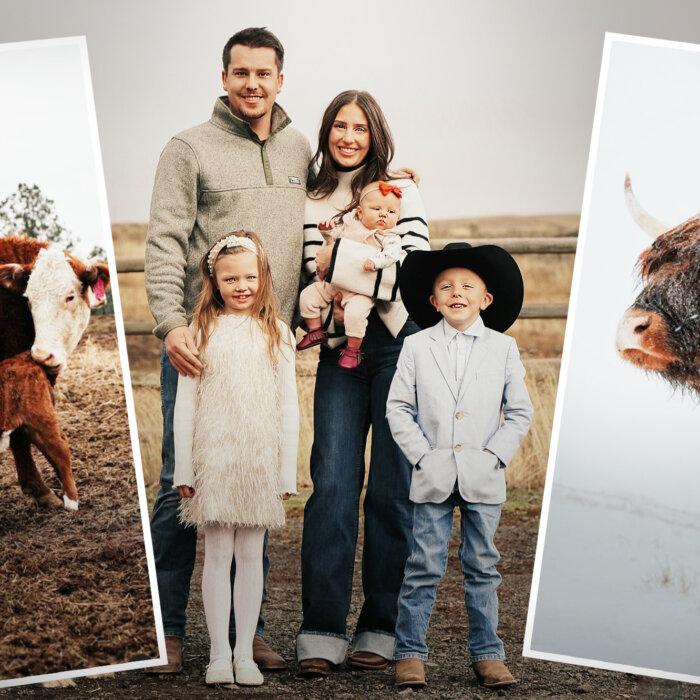
Livestock Farmers Average 65 Years Old
The average U.S. farmer is now 60 years old, but cattle farmers and ranchers tend to be five to 10 years older. Modern equipment—from tractors to hay balers and front-end loaders—has enabled older farmers to caretake a herd of cows with less physical labor than ever before.But regardless of labor-saving equipment, 65-year-olds tend to run out of steam for expansion and don’t want to increase their herds at any price. In other words, the high price incentive can’t overcome the high-age reality.
Shutting the Mexican Border to Stop Screwworm Spread
The decision in late spring 2025 to suspend live cattle, horse, and bison imports through U.S. ports of entry along the southern border because New World screwworm was spreading northward in Mexico caused a spike in prices and an unprecedented shortage of roughly 1 million head across eight ports of entry.Like all livestock maladies, screwworm is primarily a management problem. Those of us who raise cattle without vaccines, pharmaceuticals, and chemical fertilizers utilize many alternative techniques to ensure health. It’s no different from holistic health options versus mainline conventional medical practices for humans.
Deteriorating Ecosystems
Improper grazing damages more acreage than monocrops and tillage, as difficult as that may be to believe. Less than 2 percent of U.S. grazing lands are managed in a way that mimics the historic choreography of animal movement and multi-species that built prairies and deep soils.From the colonial imperative to go west to find fertile virgin soils to propping up worn-out soils with chemicals, U.S. livestock farmers have steadily, albeit slowly, diminished soil and forage quality. As a result, the soil holds less water, absorbs less water, grows less forage, and is overall less productive than when American settlers arrived. This trajectory is not unique to Americans; all great civilizations developed on fertile soils and collapsed on infertile soils.
Crop Subsidies (Crop Insurance)
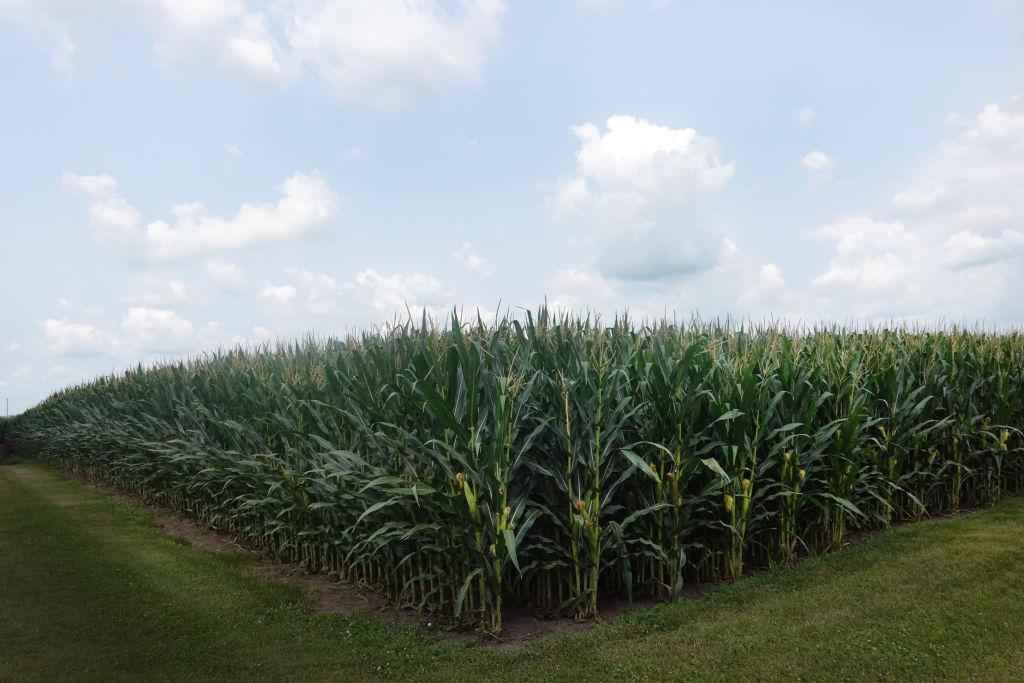
The $12 billion bailout for crop farmers is simply the latest misguided incentive to keep flooding the world with unneeded corn and soybeans. This alleged safety net reduces farmers’ interest in pursuing better and more-needed enterprises.Authentic Protein Diets
Remember the euphoria nearly a decade ago around cell-cultured, or lab-grown, fake meat?Numerous phrases described this high-tech alternative to animal protein, but the prophets within the movement assured us that both farmland and beef prices would drop substantially as this new, efficient technology displaced stodgy animals and inefficient farms. Venture capitalists poured billions into the promise. But it never materialized.
Why? Because it’s hard to duplicate the complexity and genius of hearts, kidneys, arteries, veins, livers, and intestines. Pumps, air bubbles, and mechanical filters are poor substitutes for biological systems.
Meanwhile, the keto, carnivore, and paleo diets grew in popularity. Now, with the upside-down food pyramid, the official government position is back to historical normalcy. Thanks to Health Secretary Robert F. Kennedy Jr. and the Make America Healthy Again movement, dieticians can now honestly embrace meat loaf over Froot Loops. A new day is dawning, right when beef is in shortage.
Consolidation, Concentration, and Centralization
The oligarchy that Sen. Bernie Sanders (I-Vt.) decries is real. Only four massive companies control 85 percent of the U.S. beef market, and two of those companies are either wholly or partially owned by foreign interests. Any economic sector that becomes this concentrated is ripe for collusion, corruption, and conspiracy within the marketplace.The answer is buying directly from independent sources. Many farmers now sell directly to market or band together in co-ops under their own brand umbrella. The point is to abandon the big four and their industrial supply chains. This would give struggling competitors the financial capacity to expand their abattoirs, farm suppliers, and distribution networks, creating competition that always increases quality while lowering prices.
This is where we are, America. As a non-chemical beef producer, I’ve never been more excited for the future. We just need many more practitioners to hear the call and answer. Our land yearns for better caretakers and the healing herbivores that originally built our nation’s wealth of landscape resources.