Imagine being fined $267,000 for maintaining a stock tank on your ranch.
For decades, your cattle have drunk from the same pond. You’ve cleaned it out when storms filled it with sediment and repaired the dirt when heavy rains shifted the banks—ordinary work on any working ranch. Then one day, regulators tell you the pond is no longer a stock tank.
They say it’s a wetland.
That is the situation the King family ranch in Washington state now finds itself in. The Washington Department of Ecology has accused the Kings—longtime cattle ranchers in Grant County—of damaging wetlands while digging and maintaining livestock watering ponds. The state claims that at least 23 areas classified as “alkali wetlands” were disturbed and issued fines totaling roughly $267,000. Regulators say more than six acres of wetlands and surrounding buffer zones were affected and have ordered restoration.
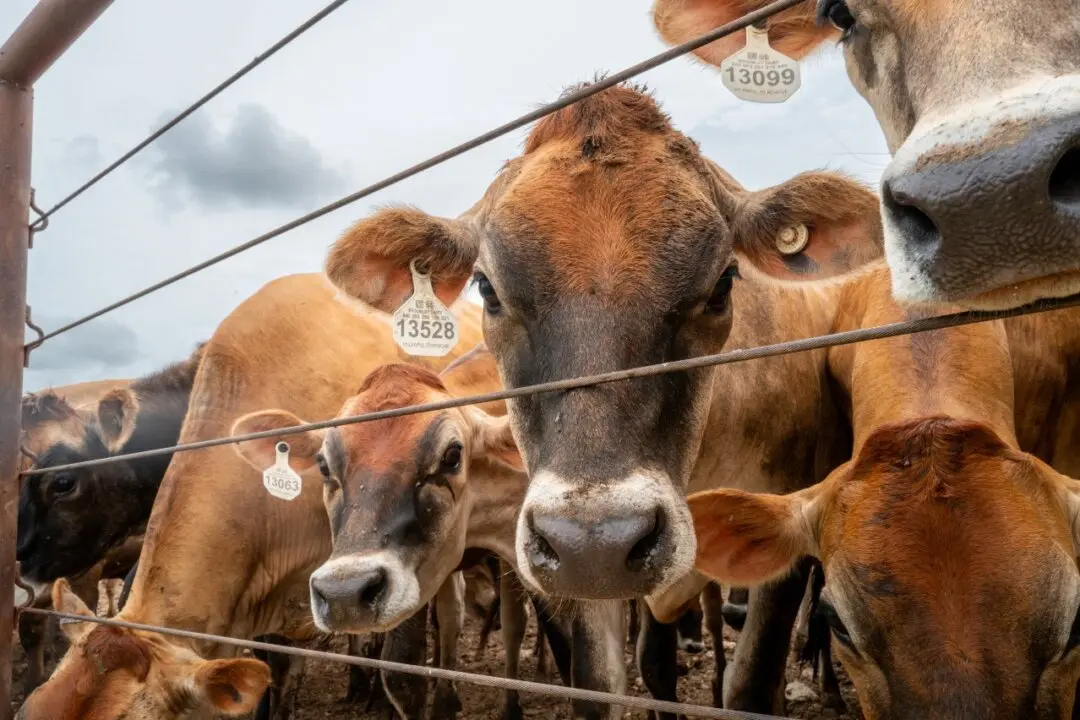
The Kings see the situation very differently. According to the family, the areas in question are long-standing livestock watering ponds—stock ponds that have been used for decades as part of normal cattle operations in a dry landscape where water access determines whether animals and wildlife survive.
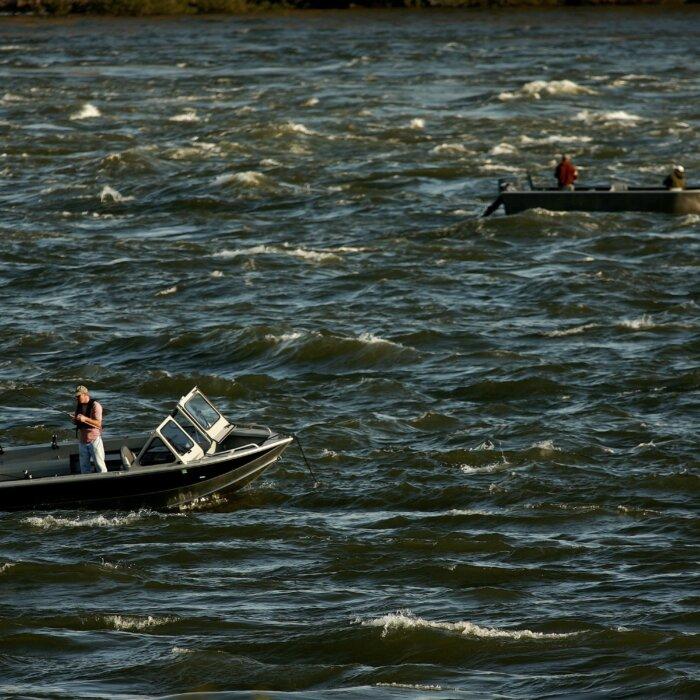

To a rancher, a stock pond is infrastructure. It is as basic as a fence line or a gate.
To regulators, the same pond may suddenly be labeled a wetland. And that is where context becomes decisive.
A wetland is not just a scientific definition. It is also a legal one. When regulators determine that water sits long enough in a depression to meet certain criteria, the land can be classified as protected wetland. Once that happens, actions that would normally be considered ordinary land maintenance can suddenly be treated as environmental violations.
The King family argues that the state is essentially reclassifying long-standing livestock watering ponds as protected wetlands after the fact. If the state’s interpretation stands, routine ranch maintenance becomes a regulatory offense.
The dispute has already escalated beyond fines. The state has moved to terminate grazing leases the Kings held on nearby public lands—land the family had used for decades as part of their cattle operation. At the same time, the ranchers face the possibility of massive restoration costs if regulators succeed in forcing the ponds to be filled or altered.
The family has pushed back in court, seeking a jury trial rather than having the case decided solely through an administrative process run by the same regulatory system that issued the penalties.
Their argument raises a larger question, one that extends far beyond one ranch in Washington.
Who gets to define what a wetland is, and when does that definition change?
Across the American West, ranchers are encouraged to improve water availability on the land. They build ponds. They slow runoff. They create places where livestock, wildlife, and birds can drink. In dry regions, these small water projects often become some of the most important habitats on the landscape.
But if those same water improvements later qualify the land as a protected wetland, the incentive structure flips upside down.
The very act of improving water access can create legal liability. In other words, the work that makes land healthier today can become the violation used against you tomorrow.
Here on our ranch in Texas, managing water is a constant part of life on the land. When a big rainstorm comes through, things happen quickly. Erosion cuts new channels. Dirt shifts. Ponds fill with sediment. Sometimes earth has to be moved to redirect water so it doesn’t wash out a pasture or blow through a dam.
Sometimes a pond needs to be dug out again so it will hold water properly.
We even use practices such as keyline design, intentionally shaping the land so that water slows down instead of racing off into the creek. When water slows, it spreads across the land, infiltrates the soil, recharges aquifers, and waters the plants that hold the ground together.
In other words, much of the work of ranching is water management.
And much of the habitat regulators seek to protect exists precisely because landowners have been doing that work for generations.
What makes this situation particularly troubling is the assumption underlying it: that bureaucrats hundreds of miles away understand the land better than the people who live and work on it every day.
Ranchers are not outsiders to the landscape. Their livelihoods depend on healthy soil, functioning water cycles, and resilient grasslands. A rancher who destroys the land does not stay in business very long. The cattle suffer, the grass disappears, and the ranch fails.
That is why the idea that conservation can be achieved by treating ranchers as adversaries rather than partners makes little sense. Durable environmental stewardship almost always comes from cooperation with landowners, not conflict with them.
The King family case highlights what happens when that partnership breaks down. Instead of sitting down with ranchers to understand how these stock ponds were used and maintained, regulators arrived with fines and enforcement actions. Instead of asking how the land could be managed to benefit both livestock and habitat, the conversation quickly became legal and punitive.
The result is a system that discourages the very people most capable of improving the land.
If maintaining a pond might trigger a six-figure fine, the safest choice for many landowners is simply to stop building or improving water features at all. That outcome helps neither ranchers nor wildlife.
Out here in ranch country, water is life. Stock tanks and stock ponds are not luxuries; they are necessities. They sustain cattle, birds, deer, and the countless other species that rely on reliable water in dry environments.
Protecting wetlands is a worthy goal. But successful conservation will never come from treating land stewards as criminals for doing the work that has sustained these landscapes for generations.
I ask myself this question almost every day: When will people say enough is enough?
I do not want to be managed in every part of my life. I want to be free. When did safety become more important than freedom, and who exactly is being made safe? Is a rancher maintaining a pond really the threat?
The King family is fighting a fight for all of us. Across this country, many ranchers are locked in similar battles with bureaucrats over how their land is used and managed. These fights may begin with a fence line, a water tank, or a grazing permit, but they rarely stay there.
They are not just fights for a ranch or a single family.
They are fights over property rights, over the limits of government power, and over whether Americans will continue to have the freedom to steward their own land.
I could write about the encroachment of bureaucracy on our God-given rights every single day, and sometimes it feels like I do.
The question that keeps coming back is simple.
When will we push back?