The party is over.
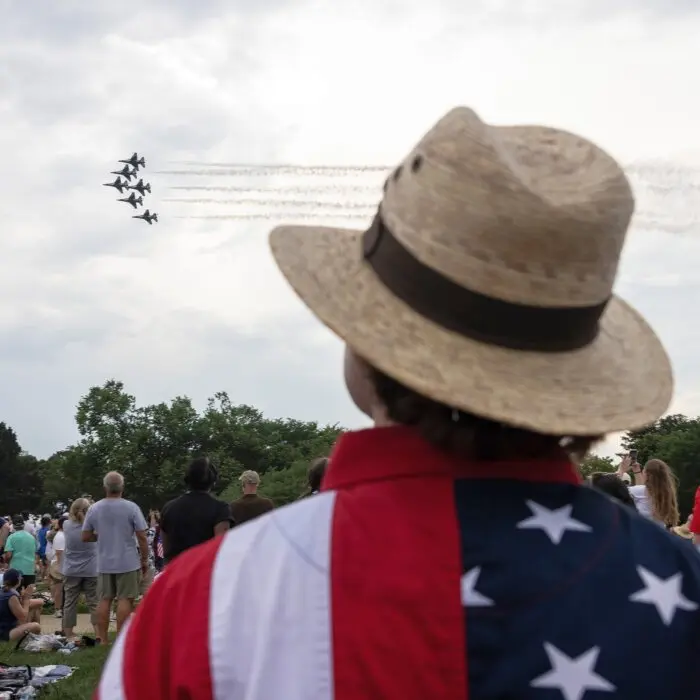
Americans spent about $2.5 billion on fireworks alone, celebrating our 250th birthday with more than 300 million pounds of everything from Roman candles to multiple-shot “cakes” and sparklers. The Washington display alone featured a record-breaking show of more than 850,000 pyrotechnics fired off from 10 locations. Backyard celebrants consumed more than 150 million hot dogs and truckloads of hamburgers during this national extravaganza. Here for the World Cup, millions of soccer fans from around the world joined in the Independence Day fun.
‘We Hereby Resolve’
On Nov. 19, 1863, President Abraham Lincoln delivered the most famous speech in American history: the Gettysburg Address.He concluded by proposing a resolution for his listeners: “That from these honored dead we take increased devotion to that cause for which they gave the last full measure of devotion—that we here highly resolve that these dead shall not have died in vain—that this nation, under God, shall have a new birth of freedom—and that government of the people, by the people, for the people, shall not perish from the earth.”
Lincoln was asking the crowd and the nation to take a solemn promise to refurbish and survey with new eyes the meaning of American liberty and the republic established as its safeguard.

Rachel Bovard of the Conservative Partnership Institute explained, “In everything that makes this country great, in everything that we wake up to every day, every generation has to look at that and say, ‘This is worth sacrificing for, this is worth revering, and this is what I want to leave my kids.’”
‘Intelligent Patriotism’
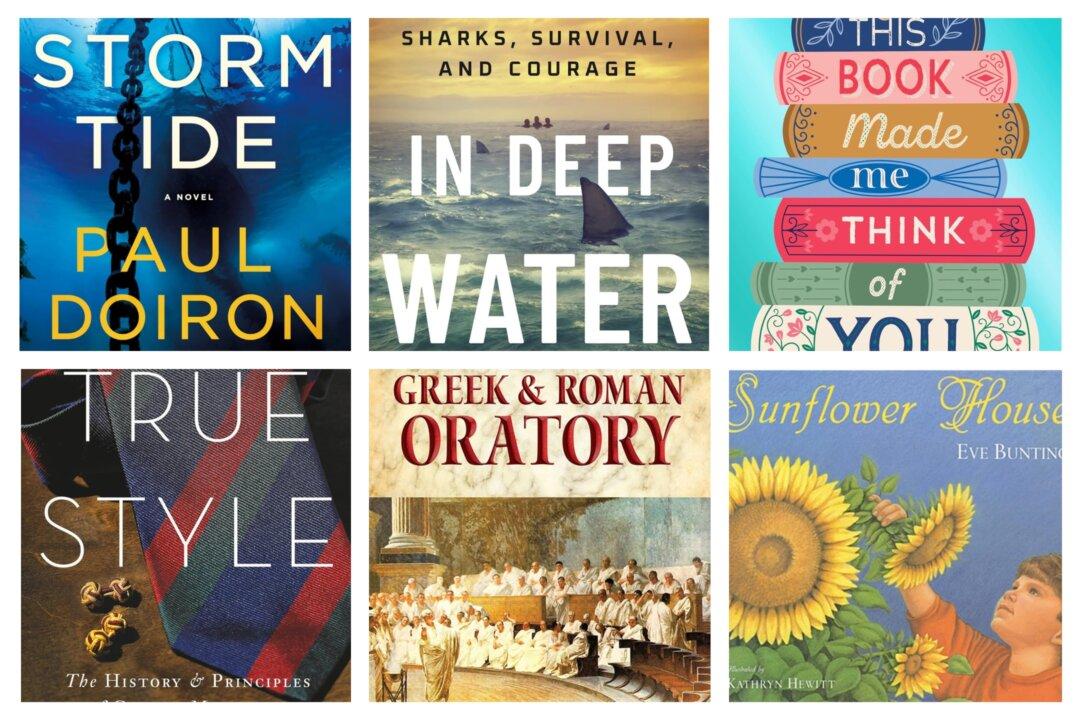
And unlike so many of those Jan. 1 ambitions to lose weight, to get into shape, and to draw tight the purse strings, the first necessary steps of our Independence Day resolutions shouldn’t prove burdensome. To read more about our country’s history and culture, to learn lessons from those who have gone before us—whether they are historical figures or our grandparents—to visit museums and historic sites: All these activities and more afford more pleasure than pain, for we have the immense, varied, and fascinating river of the past from which to draw our buckets of information and inspiration.Focusing on some specific subject of interest can also open doors to the American past. If your passion is for building and architecture, a little research into your community’s older houses and public buildings can bring alive both the people from the past and broader engagement with the nation’s story. If you enjoy collecting antiques, exploring the history behind vintage costume jewelry or a cast-iron kettle brings to life the people who once regarded these treasures as everyday objects.
Next Comes the Hard Part
“Good citizenship is not good citizenship if only exhibited in the home,“ Roosevelt said at the Sorbonne. ”There remains the duties of the individual in relation to the State, and these duties are none too easy under the conditions which exist where the effort is made to carry on the free government in a complex industrial civilization.”All of us, men and women, young and old, are called to enter the playing field of culture and politics rather than stand on the sidelines. Here, Roosevelt tells us in his address, we may contribute in small ways or great ways to the commonwealth, and by our actions, help ensure that our communities and our republic not only honor and preserve the ideals of “life, liberty, and the pursuit of happiness” professed by those who have preceded us, but also keep those principles alive and well for those who follow.
Search online for “ways to be a good citizen” and we find some of the same suggestions over and over again. Vote. Keep in touch with the issues of the day. Volunteer with organizations seeking to make your community a better place to live. Practice neighborliness by being kind and helpful to others. Start a high school history club, in which students could gather once a month for discussion after reading some selected material or watching a movie, thereby boosting their knowledge of Americana while deepening friendships.
At the conclusion of “The Thread of Liberty,” one commentator noted that unlike other national anthems, “The Star-Spangled Banner” asks questions. It begins with “Oh say, can you see,” but saves the most important question for last: “O say, does that star-spangled banner yet wave/ O'er the land of the free and the home of the brave?”
It’s up to us to keep that flag flying.