I was juicing blood oranges for a Valentine’s Day margarita at The Barn restaurant at Sovereignty Ranch when my 6-year-old started crying.
The restaurant was already humming. Roses were laid across wooden tables. Candles waited to be lit. Garnishes were lined up at the bar. Outside, the Texas sky threatened rain, which meant the limestone mud on our ranch roads would soon turn into something close to concrete. It’s a beautiful land, but in wet weather it clings to tires and hems like memory.
I found him at one of the big communal tables, shoulders shaking.
“What’s wrong, buddy?”
Through tears, he said: “I thought Valentine’s Day was going to be fun. It’s not fun. It’s for girls. There’s no fun things for boys.”


My husband had picked up flowers for me and his sisters when he went to the grocery store, and he grabbed our son a small toy as well. But I couldn’t argue with the logic.
I don’t lie to my children.
“Yes, honey,” I told him. “It is for girls. And for the rest of your life, it’s probably not that fun. Men have to try really hard to live up to unrealistic expectations on Valentine’s Day.”
He stopped crying. I made him a chocolate milk. I went back to work.
For years, when I used to pre-shift my staff before Valentine’s Day, I would tell them the same thing: Expectations are high tonight; mistakes will cost more tonight than on any other night.
It’s true.
A forgotten cocktail, a delayed entrée, an overcooked steak—on a normal Saturday, those are inconveniences. On Valentine’s Day, they are amplified. This is the night some people choose to propose. The night others are trying to repair something fragile. The night a man may have saved for weeks to make it special.
There is only one day a year when more flowers are sold than on Valentine’s Day, and that’s Mother’s Day. Everyone has a mother. Not everyone has a love. Most people who are blessed enough to have both will buy flowers twice. Mother’s Day carries the same weight in the restaurant world. Expectations are high, and mistakes cost more.
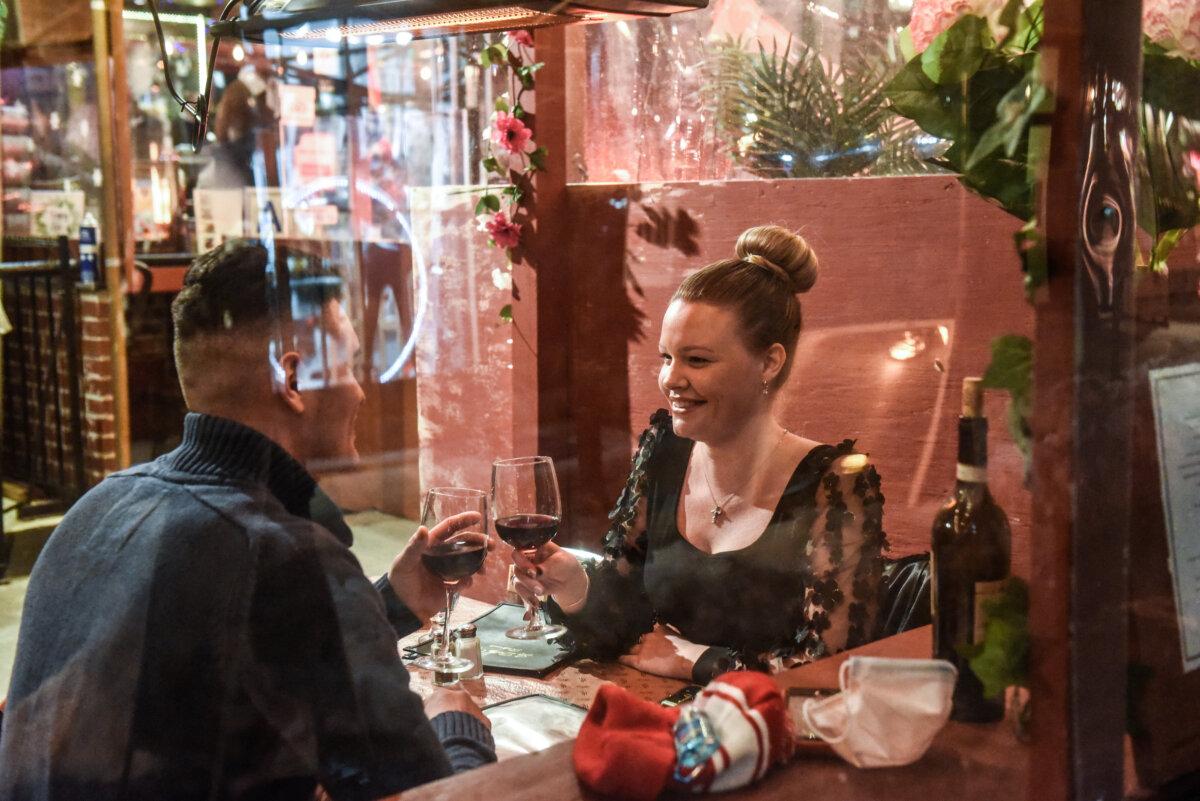
As dinner service began, man after man walked through our doors.
They braved the rain and mud. Some carried their wives or girlfriends across the parking lot to keep their beautiful shoes from sinking into the mud. Some drove five hours and booked tiny homes on the property to make the evening memorable. Some carried small dogs in handbags. Some carried selfie sticks and lights so their wives could document the evening. Some carried nervous hope in the way they stood at the host stand.
They were trying. All of them.
Trying to prove something. Trying to measure up. Trying to perform love well enough.
And I kept hearing my son’s voice: I thought Valentine’s Day was going to be fun.
He was right.
Valentine’s Day, as we practice it, is largely for women.
For the past 13 years, my husband and I have spent Feb. 14 not at a candlelit table ourselves, but in a commercial kitchen: cooking, running food, checking on tables, and making sure other couples have a magical night. He always buys me flowers. But we have never really celebrated Valentine’s Day. We’ve surrendered it to our guests.
Over the years, I’ve bought thousands of roses and handed a single red one to every woman who walks through our doors. It feels like a kind gesture. It probably is. But as I watched the dining room fill, I realized it reinforces something my son instinctively understood.
Valentine’s Day has become a performance in which men give, and women receive.
But that isn’t entirely where the day began.
Long before prix fixe menus and curated photo backdrops, mid-February in ancient Rome marked Lupercalia, a festival tied to fertility and the coming of spring. It reflected an agrarian world that understood love, reproduction, and survival as intertwined realities. The early Church later replaced that festival with the feast of St. Valentine, a Christian martyr said to have secretly married couples in defiance of an emperor who had banned marriage. He was executed for it.
The Church did not preserve pagan ritual. It redirected the focus toward covenant, sacrifice, and holy matrimony. The thread that runs through both layers of history is not spectacle, but cost.
Love has always required something of us.
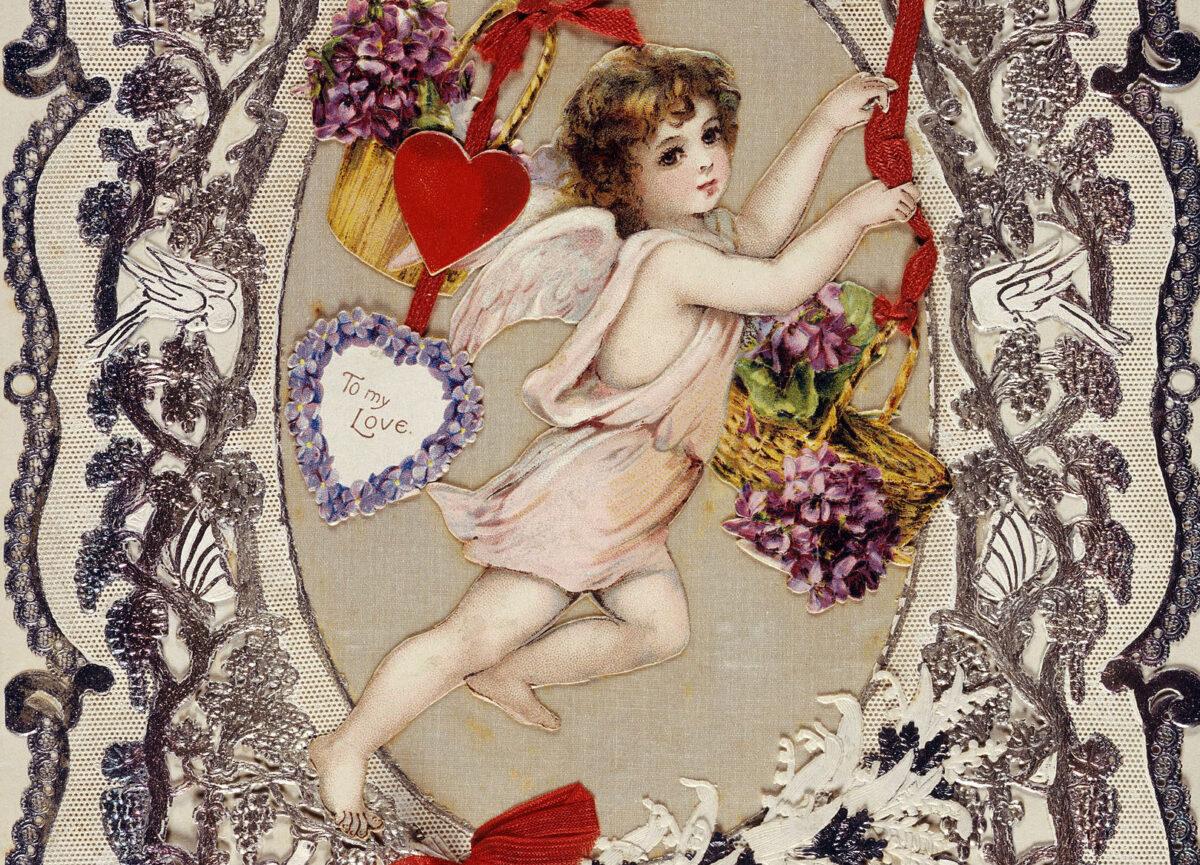
Somewhere between martyrdom and modern marketing, Valentine’s Day shifted from sacrifice to performance.
Watching those men walk through rain and limestone mud last night, I wondered if we’ve misplaced the emphasis.
The burden of Valentine’s Day falls almost entirely on men. They are expected to plan, provide, anticipate, and impress. When expectations aren’t met, disappointment often follows. I know how much I dislike the unrealistic standards placed on me. I try not to do that to my husband.
And yet, culturally, we’ve built a day that does exactly that.
Maybe that’s why it doesn’t feel fun for a 6-year-old boy. He senses that the day isn’t about shared joy. It’s about proving something.
But perhaps the deeper truth is this: Love is not primarily about romance; it is about sacrifice freely given.
Not spectacle.
Not perfection.
Sacrifice.
Yesterday, I watched men carry women across mud so their shoes wouldn’t be ruined. I watched husbands who had been married for 25 years sit across from their wives with the same nervous energy as on first dates. I watched newly dating couples lean toward one another across candlelight.
When the last table was cleared and the candles burned low, I thought again about my son’s tears.
Someday, he will walk through rain for someone.
I hope that when he does, he understands that the sacrifice of love is one of our greatest tools for becoming closer to God. Relationships are our greatest teachers.