The movie is super smart, every character perfect. The plots and schemes are fantastic, a level that seems incredible. All of them play on and perfectly anticipate failings of human nature, such as greed, misplaced trust, fear of discovery, hidden bias, and so on. On this overlay of human frailty is built layer upon layer of drama, such that the viewer is certain to lose track of what is real and what is a scam.
But there is more besides. The movie was made in 1973, but I can easily imagine that young viewers could be drawn in so deeply as to believe that it was made generally in the old times about old times. Actually, the movie recreates the urban life of 1936, in the thick of the Great Depression, a time when financial scams to stay alive became the norm.
The rackets and schemes grew up with, and were normalized, by Prohibition, a period in which nearly everyone lost all respect for the law. By the time the war on beer ended in 1933, the habit of scamming had already become a cultural motif. When the economy crashed and kept getting worse, those skills were reapplied in new ways, such that everyone had a racket going.
That’s the essence of the movie, crooks scamming criminals. Of course, we root for the crooks. The deceptions are so elaborate as to elicit amazement, and you cannot help but laugh at how haughty and powerful criminal minds are so easily deceived by carefully played tricks.
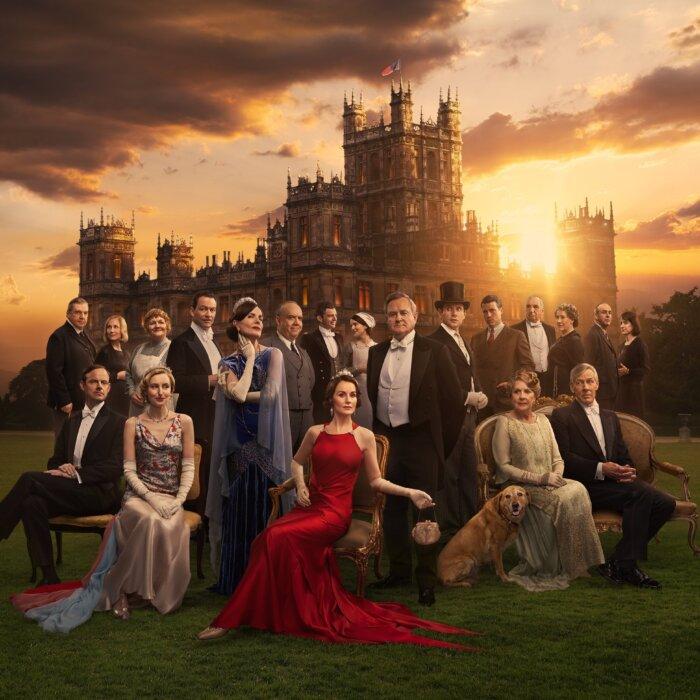
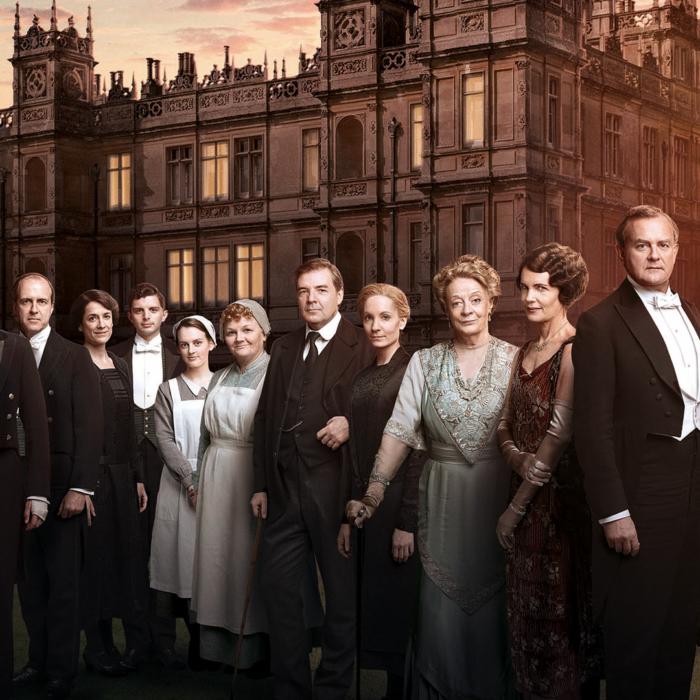
The costumes and sets are flawless, with everything perfectly in place, from the technology to the clothing to the liquor bottles to the cars and language. Nothing happens to trigger the loss of illusion that this really is Chicago 1936. It’s hard to believe that this movie accomplished this without the use of CGI or any computer tricks.
You know what comes next. I just watched the final film of the Mission Impossible series with Tom Cruise. This series started with great promise. It got worse and worse, but the latest is rock-bottom. The plot was absurd and filled with obviously fake drama about the end of the world. The president was played by a diversity, equity, and inclusion character. The dialogue was just awful, not one word believable. You know a movie is bad when you feel you can turn it off at any point and only gain time to do something else. Disappointing doesn’t quite describe it.
To be sure, it is too sweeping to say that all movies now are terrible while all movies of 50 years ago were great. This approach to analyzing history is nearly always exposed as fallacy by one simple point. The best stuff from the past survives the test of time, whereas the worst stuff of the present is right in front of us. This makes comparisons between now and then unfair.
People say today: Where is our Mozart? Where is our Beethoven? Where is our Bach? But actually in their own time, there were legions of poor composers who had brief fame who disappeared from view. It’s almost impossible to identify genius in its contemporary setting.
To prove the point, I once read a history of music that was published in 1905. The last chapter was going on about all the great composers of the time that would be remembered for their genius decades and centuries from now. Here’s the kicker: I had never heard of a single one of these people, and I know these realms really well.
One name who was not present in the book is Gustav Mahler, who even at the time of his death was known mainly as a conductor and not a composer. Indeed, it took another 100 years before Mahler came into his own as a composer. Now any presentation of any of his works by any symphony sells out in days. The fanaticism surrounding his music is global and immeasurable. It’s a cult. I admit that I’m a member.
In any case, the core point is that with prosperity you get more of everything: more books, music, movies, paintings, and displays of architecture. Genius is rare at all times. By the math alone, then, you will always have the appearance of decline if you try to evaluate the present by the standards of the past. The past will always have an unfair advantage because the shabby content is selected out by the passage of time.
I’m not sure. In fact, I rather doubt it. And that is a sad commentary. Our arts culture does seem to have experienced a genuine IQ decline, and not just because there is more of it than ever before. It seems incontrovertible that genius is just not with us as it once was.
The literary critic and film writer Walter Kirn explains one reason: ideology. A classic framing of an older movie usually involves a bewildered innocent thrown into an unfamiliar world who gradually figures out the game, masters it, and uses cunning and courage to solve the problem. That plot is all about individual achievement. But under a collectivist ethos in which only groups act, this way of thinking is forbidden. Teams now dominate all action while displays of heroic individual prowess (especially by white men) is deeply deprecated. Even the superhero movies feature teams working together to overcome the villain. In Kirn’s view, this ideological presumption has made the most enduring device of literature and movies somehow impossible to put on film.
The capacity to focus and put together clues from many sources seems to have been a fatality of our world of short attention spans born of a TikTok world of fleeting dopamine hits. Everyone is in such a rush these days, with the capacity to focus lasting only 10 seconds or so, that this has infected art, movies, and music.
In short, and despite all caveats, and against my usual resistance against being a grump, I am just going to say it. The decline is real.