Unpopular opinion: Beef prices aren’t high enough. Everyone wants the food system to be fixed, but no one wants to pay what food actually costs. I keep hearing people complain about $6 ground beef at the grocery store, and I want to invite them to raise their own. I guarantee they couldn’t do it for that price.
I can’t speak for the whole country or the world, but I can speak for my corner of Texas. Here in Kerrville, we’re living through a perfect storm for rising beef prices, and they’re still not high enough to make ranching sustainable for the people actually raising the cattle.
We have the lowest beef herd numbers since the 1940s. Imports are restricted because of the screwworm parasite, and we have fewer ranchers than ever. Meanwhile, Americans’ appetite for beef hasn’t gone down one bit.
There are new beef products everywhere—jerky, sticks, even “beef chips.” Someone recently sent me six bags made from 100 percent American brisket. They were delicious. My family devoured them within hours. And that’s the point: The demand for beef isn’t going anywhere. As more people move away from carbohydrates, the shift toward beef will only grow stronger.
But the cost of producing that beef has become unbearable. Several years ago, we had a severe drought in Texas—the same drought that still lingers today, despite a few torrential rains that flooded pastures and even took lives here in Kerrville. Hay prices remain sky-high, grass is scarce, and pastures are exhausted.
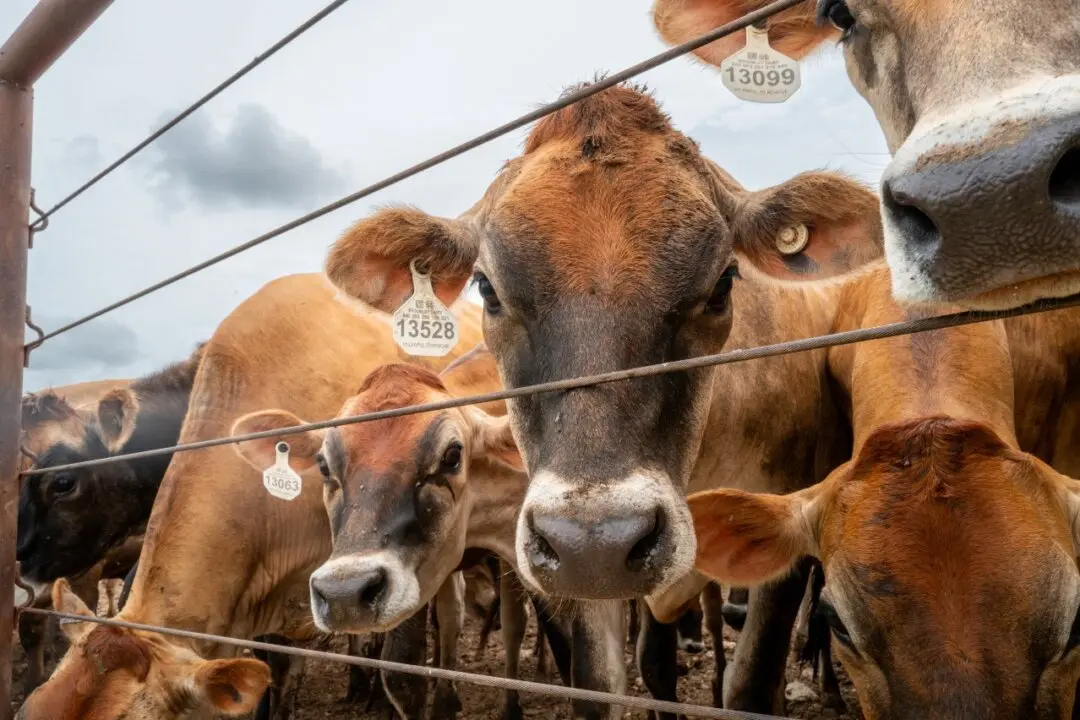
Just this week, my neighbor is hauling a group of 500- to 700-pound calves to the feedlot. He’ll probably get between $2,100 and $2,500 per animal. Last year, I bought calves from him for $1,500 to $1,700. A few years before that, I could buy a bred dairy cow ready to produce milk for about $1,500 and a young steer for $750 or $800. That gives you an idea of how quickly costs have escalated.
When the price to restock your herd doubles, the math stops working. The economics of ranching collapse under the weight of feed bills, land costs, fuel, labor, and processing fees. And despite those rising costs, the farmer is still the one making the least.
Our entire food system is built on the illusion of cheapness. It reminds me of a drug dealer cutting his product—stretching pure cocaine or opium with fillers to make it go further. The same thing happens with food. We’ve stretched, diluted, and processed real ingredients until we can no longer taste, feel, or recognize what real food is supposed to be.
Highly processed foods are filled with corn, soy, and chemical additives, and we’ve convinced ourselves that this is normal and affordable. But it’s not real nutrition; it’s a substitute. It’s what allows people to believe they can have a functioning food system while still paying $1.99 for a burger.
Meat, eggs, milk, and vegetables are harder to fake. You can’t “cut” an egg or a tomato. You can’t make a cow grow faster without compromising its health or the land it grazes on. Even conventional feedlot beef is propped up by government subsidies that keep prices artificially low and hide the true cost of production.
And the truth is, the higher the quality of the meat you eat, the higher its nutrient density—and the faster you feel satiated. Real food costs more because it is more.
On our ranch, we raise grass-fed cattle—no genetically modified corn or soy. We feed regenerative hay from a local farm down the road. And that means it takes time, a lot of time. A grass-fed animal takes at least 2 1/2 years to reach maturity. Anything harvested earlier is a loss. No matter how “ready” that animal looks, it hasn’t had time to put on meat after building its frame and bones.
Now think about what happens during those 30 months: daily moves from pasture to pasture, maintaining fencing, hauling water, repairing equipment, paying workers, buying hay in drought years, and waiting for that animal to grow. That’s years of labor and care before you ever see a return.
When people tell me beef is too expensive, I want to ask them to do the math themselves. See how much it costs to keep an animal alive, healthy, and growing for nearly three years—and then tell me $6 ground beef is fair.
At my ranch, I sell ground beef for $13 per pound or $11 if you buy a 10-pound box. Even at that price, I know I should charge more, but I also know what the market can bear. The truth is, the numbers don’t add up even for those of us selling directly to consumers.
Farmers like me are squeezed from every direction. The four major meat packers dominate the market and take the lion’s share. Grocery stores take another cut. And by the time the consumer pays, the only person left fighting for survival is the one who actually raised the cow.
Meanwhile, today’s high prices are driving some ranchers to liquidate their herds. It’s tempting to cash in while prices are strong, especially when money is tight, but selling off breeding stock now will only worsen the long-term shortage.
During the COVID-19 pandemic, many ranchers sold cattle because of drought and economic uncertainty. I said then that we wouldn’t feel the real effect for a few years, and now we’re seeing it. You can’t rebuild a herd overnight.
If you hold back a heifer to rebuild your herd, she won’t produce income for years. First, you raise her to breeding age—about a year and a half. Then she’s pregnant for nine months. Then it takes another 2 1/2 years for her calf to get to market weight. That’s almost five years from when that heifer hits the ground until you have meat to sell.
That’s why I say today’s “high” prices aren’t high enough. They’re a correction, not a windfall.
People say they want to fix the food system. They want small farms, regenerative practices, animal welfare, and local meat—but they still want grocery store prices. That’s not possible.
If we want a healthy food system, we have to stop begging for government intervention and start understanding the true cost of food. We have to stop asking the same government that caused the problem with subsidies to fix it again.
The only way to save the family farm is for consumers to pay the true price of food and adjust their lives around that reality. Maybe that means eating less meat but eating better meat—meat that was raised with care and respect for the land.
Approximately 85 percent of farmers now work an off-farm job just to keep producing food. That means most are losing money feeding us, and we’re asking them to work 40 more hours somewhere else each week for the privilege of doing it.
We can’t have it both ways. We can’t demand purity, transparency, and integrity from our food system while insisting on prices that only the industrial model can deliver.
It costs more than $6 per pound to produce beef—period. Someone, somewhere, is getting squeezed, and it isn’t the packer or the grocery chain. It’s the farmer.
Beef prices will keep rising, and they should. Not because ranchers are greedy but because nature, time, and care have a cost. You can’t rush life. You can’t mechanize birth or shortcut a grazing season.
So the next time you see a pack of $6 ground beef at the store, ask yourself who’s paying the difference—because I promise you, it isn’t the corporation. It’s the family on the tractor, the rancher in the field, and the farmer wondering how to make next month’s feed bill pencil out.
If you want to fix the food system, stop asking for cheaper food. Start asking what food is really worth.