The canoe in the backyard by the lake was upside down on dry land. I used it as a stepping stool to get to the other boat. My foot punched a hole, which rather mortified me because the boat belonged to my friend. I quickly discerned that now the boat could not be put in water. That much about boating I know.
As I apologized abjectly and stood ready to write a check to pay, he assured me that it was no biggie. The boat was already full of holes and useless. Still, I was mortified because the experience tapped into an insecurity I have. My biggest fear these days is that I’m not very good at the real world.
That was a dumb mistake. It’s all part of getting used to real life again following the COVID-19 pandemic lockdown years that coincided with the mass adoption of digital technology made vastly more addictive and seemingly indispensable with artificial intelligence and the QRing of everything.
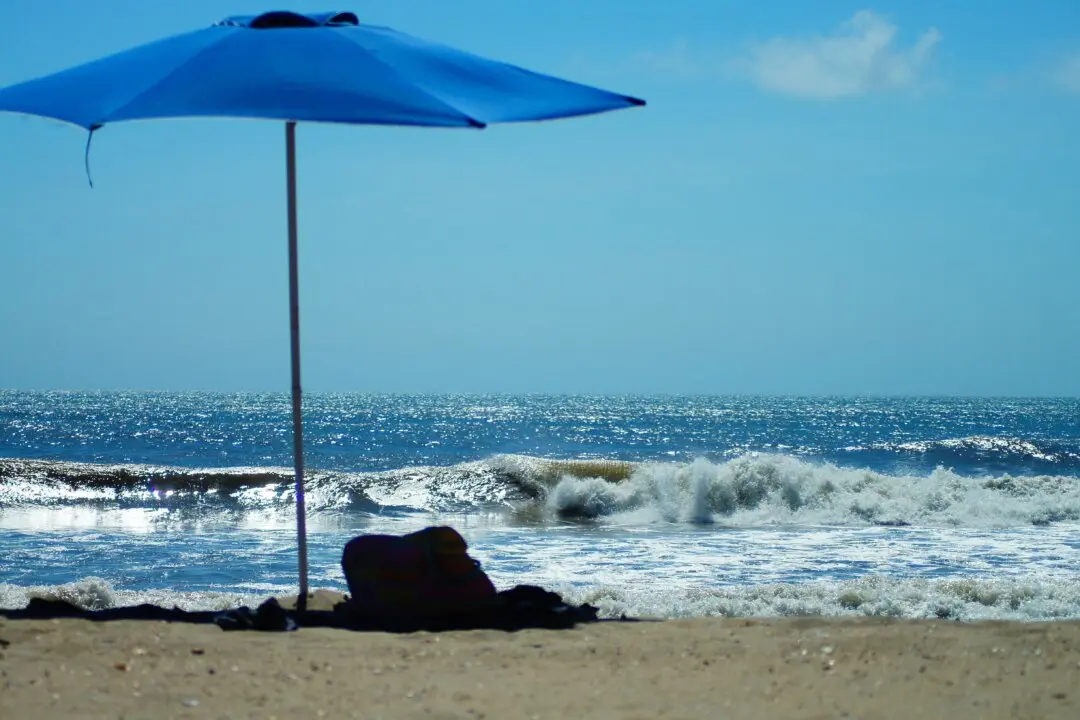
Nowadays, many of us are looking for every opportunity to reconnect to the physical world. Once my friend and I were on the other canoe paddling around in the lake, I could feel the psychological decompression taking place. Just hearing the water lap up against the side of the boat and observing the trees on the bank was lovely. The mind wanders in wonderful ways.
It sure beats screen time. Let’s just say that boating in the metaverse is a poor substitute.

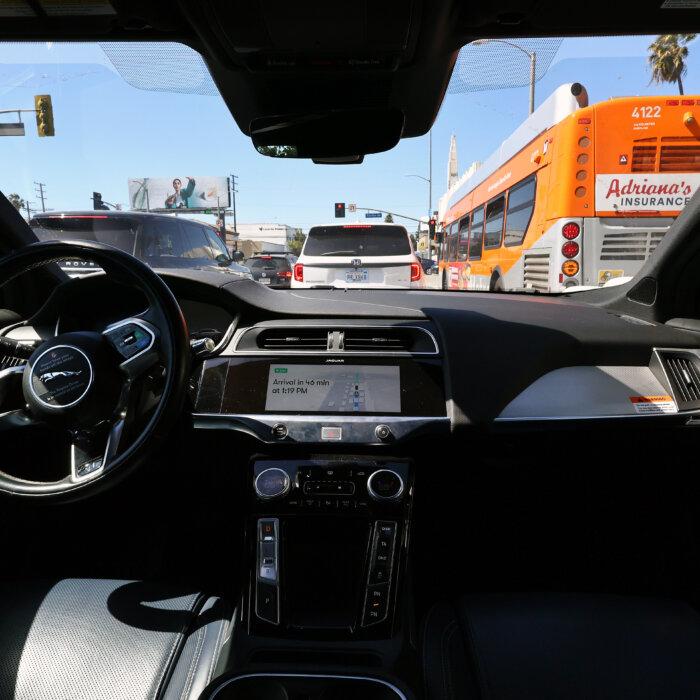
In many ways, the digital world was always a trick, even a lie. It is useful, like any tool, but hardly a replacement. This much is now obvious to most of us.
A year or so ago, I did a bit of a mental experiment on this. What if we really did as a society entirely migrate to the cloud? It seems superficially plausible for some classes of workers, and they were riding high during the lockdown years. But consider what we would be missing.
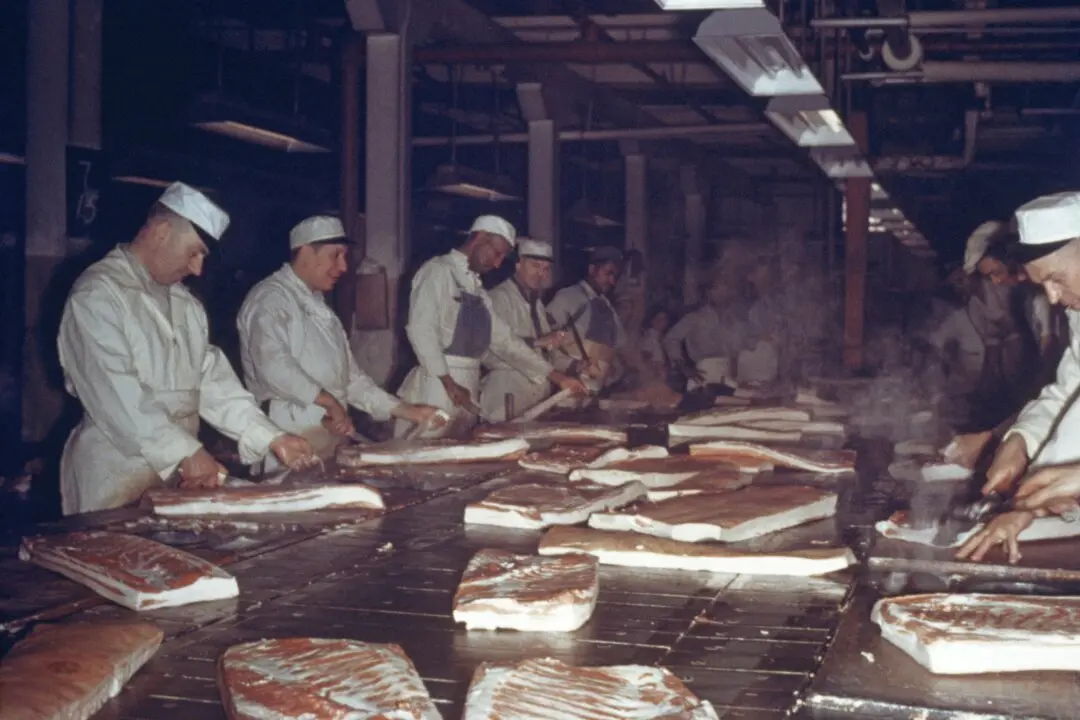
Food is one example. There are several bakeries in town that I like to visit. Just sitting there watching them at work, making breads and pies and cakes, you realize that this would be impossible to do without genuine physical skills. That is a beautiful thing.
The same is true of the butchers, brewers, and gardeners in town. They live and breathe the physical world. I’m more appreciative than ever before of such professions, and that includes the cellist, the plumber, the guy who specializes in wallpaper installations, the actors on stage, the people who keep the stores stocked, and so on.
There is a romance associated with the nonmigratory physical world. It keeps us bound to reality and immune to the hideous claim that real life can be replaced by screen time.
I personally draw the line at using my phone to pull up a restaurant menu. Never! If there is no printed menu, I will ask someone to tell me what’s available. If that doesn’t work, I will just order a hamburger. Regardless, I’m personally done with “touchless” menus and all that they represent.
After years of pushing for computers in the classroom, teachers and administrators these days are working furiously to reverse their errors. They are banning devices in the classroom. They are teaching kids from physical books and insisting on penmanship.
At concerts and theaters, you see more and more venues bagging phones with timed locks to prevent customers from pulling them out during the performance. The time of loudspeakers begging people to turn them off is over. We are moving to the point of zero tolerance for this nonsense.
It’s the same with private dinner parties. There are no stated rules, but I’ve noticed a huge change. I always try to keep my phone out of sight and out of mind, but sometimes, in a lull, I’ve taken it out for a quick look. I can feel the stares of disapproval. This is as it should be. You are either present or you are not. If you would prefer screen time to a dinner party, stay home!
A leading challenge for all parents now is not teaching kids “computer literacy” but throttling screen time. Many have just said “no” to all digital devices before the age of 15. That’s not entirely realistic for most people. After all, every parent of young kids knows that the iPad is the single greatest babysitting device ever invented. It’s nearly impossible to resist.
That said, any parent who permits kids unmitigated access to the internet these days is insane. No responsible parent would do it. These days, parents keep very strict controls on what sites are available, employ automatic timed shutdowns, and more besides. It takes some technological sophistication to set it up, and it is essential.
More and more often, I meet people who are eschewing digital tech in as much of their lives as possible. They have home theaters that only show DVDs. The popularity of long-playing records seems to be on the increase. Homes without any televisions seem more common.
The rejection of all the latest gizmos seems almost to be a class marker, proof that you are a real person who is hip to the game and rejects it. I cannot remember the last time I saw anyone yelling at his home assistant to play a particular piece of music, for example.
Part of this trend is not just the rejection of the metaverse but the embrace of the real—with a newfound love of hiking, physical books, traveling, jogging on open roads, wellness and physical health generally, sunshine, and so on. It’s absolutely crazy that we nearly forgot about all these things.
If you think back to the spring of 2020, the World Economic Forum put out a book soon after lockdowns came to the world. It was called “The Great Reset.” It was a puffed-up and pompous little manifesto. It was widely misunderstood. The plot in the book had nothing to do with socialism. It was all about a full and global industrial reset. The core idea was to force a shift from physical to digital industry, from machinery to keyboards, from steel and iron to glass screens, all in the name of efficiency, surveillance, and hygiene.
Think of this historically. We went through another big change in industrial structure in the last quarter of the 19th century as agriculture gave way to the urban factory setting. Instead of letting it happen organically, it was forced on many people in many lands. After the Bolshevik Revolution, Vladimir Lenin could not think of anything better to do with his newfound power than to attempt the forced electrification of Russia.
To dream of converting whole societies from one dominant technology to another is the stuff of tyrants’ dreams. This is essentially what happened with the 20-year-long efforts over “global warming” that mutated into a general concern over “climate change,” as if climates don’t change normally. The state was marshaled somehow to manage the climate and weather or whatever. Crazy stuff.
The “Great Reset” was more of the same. And the lockdowns over a virus had that very industrial ambition to force us all into digital dependency and addiction. It was bad for health and bad for life.
Now that we are on to the game, we are moving toward active resistance. By all means, let’s use digital technology to better human life—but not to control and ruin it, which it is certainly doing now. We need all in our own lives to seriously rethink and rediscover what we have left behind, whether that is cooking, gardening, playing music, reading physical books, or simply hopping in a canoe and rowing around a lake.
Simple things. Beautiful things. Physical things.