There is vast grumbling out there about prices, which have nowhere returned to the 2019 status quo ante that everyone wants. Instead, we faced a devastating inflation for four years (a 30 percent purchasing power loss), followed by a steady upward creep that has eroded gains in wages and salaries.
I feel it; you feel it; everyone feels it.
The newest report on the consumer price index (CPI) clocks in at a 2.4 percent rate, which is still far above the target of 2 percent set by the Federal Reserve. Prices are still rising, but the press reports all stated that inflation is “holding steady.”
This is odd language. If you gained 10 pounds last month and again this month, is your weight gain holding steady? In five years, you won’t fit through your front door. So surely there is a better way to put this. How about some plain language: Prices are still rising at a pace of 2.4 percent per year, with no end in sight.
The CPI reported that everything is up: food at home, food away from home, energy, fuel oil, vehicles, medical services, and apparel. Gasoline was a saving grace in February, but that, too, is now gone. You know it if you have had to fill up your tank in the past week.
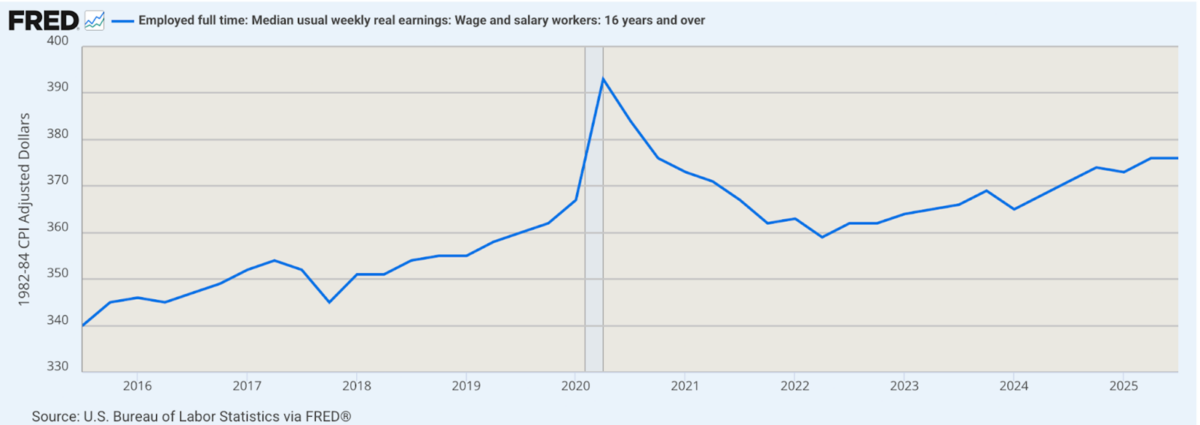
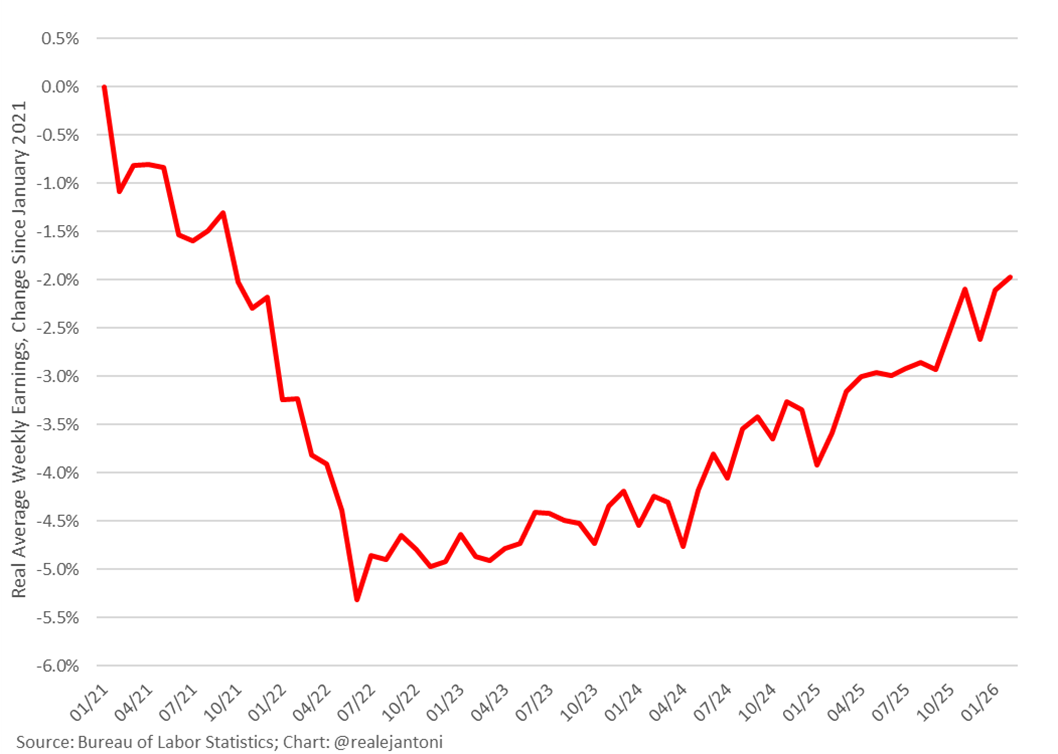
What I’m seeing in the data shows wages right now where they were 5 1/2 years ago, with a long slump in between. It’s true they have risen just slightly in the past year, but that makes us no better off than we were at the end of 2020.
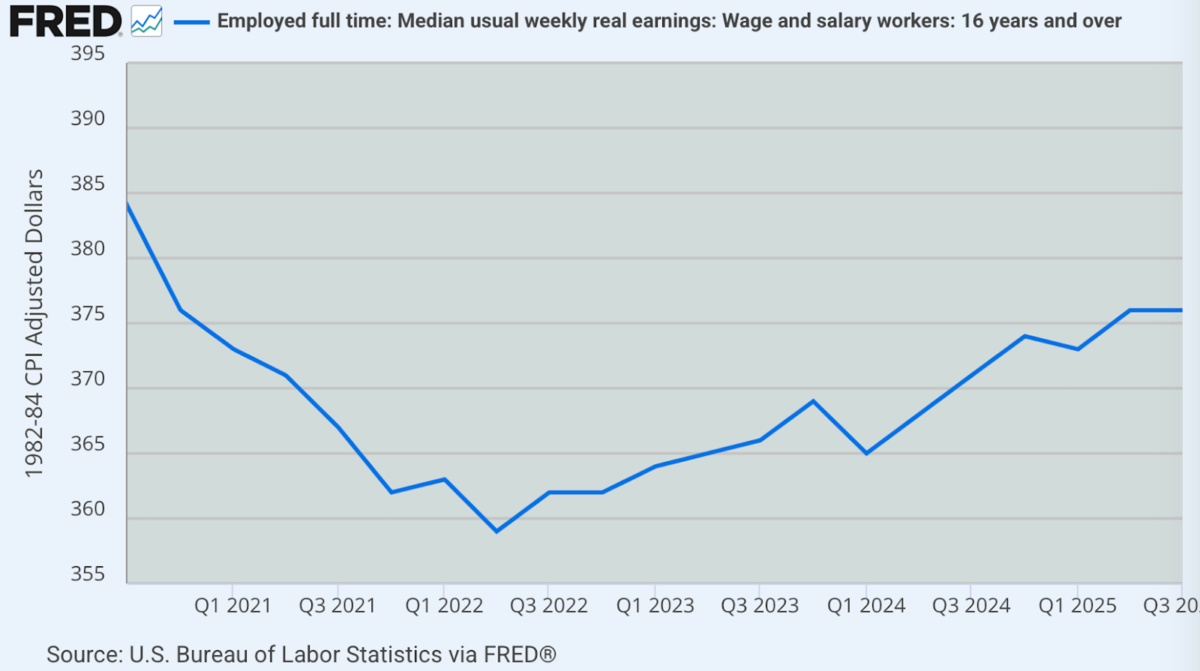
If we had only stayed on track for wage gains from 2016 to 2019, with then-existing levels of inflation, real wages would be up by 40 percent by now instead of being flat or falling. That is what the COVID-19 response that began six years ago this month has cost us.
Nor do you need to be a master of statistics to understand this. The cost of health insurance is shocking to the point that many people are dropping it completely, even people with families who are being asked to pay $2,000 per month before even visiting a doctor. This insurance only purchases the right to buy more.
I’m far from being a political consultant, but common sense would suggest that this might not be the best time to declare that Americans are getting wealthy under the Trump administration. Trump has done his best to bring inflation down, deregulate industry, and fire back up the U.S. jobs machine, but it’s not been enough to tackle deep structural issues. We are still seeing job losses, higher prices, and dramatic economic instability.
We have to talk about gasoline prices. It was a talking point for most of 2025, a point of great pride for the Trump administration. That issue has just been thrown away, as gas is now running $3.60 per gallon.
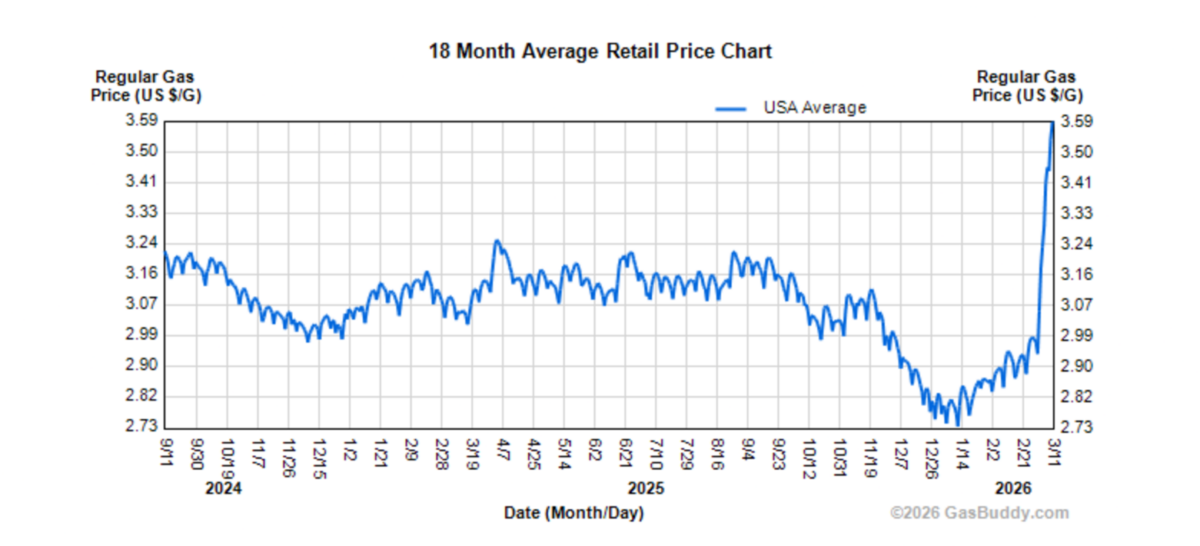
They say it is temporary, but that is precisely what the Biden administration said when inflation started roaring in the first quarter of 2021. Americans have every reason to be skeptical of such claims. The truth is that no one knows. Maybe this dies down, the United States declares victory in Iran, and prices settle down in time for the midterms. On the other hand, that might not happen, and Republicans find themselves with few if any winning issues going into the midterms.
I take no pleasure in reporting all this. On a personal note, I was greatly supportive of many economic measures of this administration. We all had good reason to worry, however, that we were not done with inflation and that dangerous policies could set off a second wave and maybe even a third, which is exactly what happened in the 1970s. I’m not saying that this will happen for sure, but it could happen.
As for jobs, the latest report looked extremely weak, with 92,000 lost jobs in every sector and manufacturing hit particularly hard. And this follows more than two years of downward revisions.
In other words, the jobs boom has been largely illusory under two administrations. To be clear, I’m not arguing that the Democrats would somehow do better with the only tool they have, which is more command and control over economic life. What I’m cautioning about is that this language of the “golden age” is enormously premature. The genuine risk here is that people will blame the party in power for the ongoing suffering. This is just the way politics works.
What would honesty sound like? These are extremely hard economic times. Families are suffering. All classes but the very rich are suffering. There is nothing to be gained by pretending otherwise. The Trump administration has taken some measures that have slowed the hemorrhaging, but it is not enough, and plenty of policies on high spending, high debt, and now supply chain disruptions threaten the entire program.
These are all danger signs. I truly hope the White House is listening.