Viewpoints
Opinion

The Privilege of Losing Money to Feed You

The Privilege of Losing Money to Feed You
A farmworker repairs irrigation lines at a tomato farm in Woodland, Calif., on May 30, 2025. Fred Greaves/Reuters
|Updated:
0:00
Commentary

According to the Department of Agriculture, about 85 percent of farm household income in the United States comes from off-farm sources. That means that most farmers are working second or even third jobs just to keep their farms alive. The people growing your food are also working somewhere else just to have the privilege of losing money to feed you.
This is not a sustainable system. It is not one that values food or the people who grow it. It is built on the illusion that food can be cheap and farmers can still survive. The truth is that we are feeding the United States on borrowed time, borrowed labor, and borrowed faith.

Even as I sit here writing this, I am working one of my off-farm jobs. I love sharing my thoughts with Epoch Times readers because it allows me to tell the truth about what is happening on the ground. But the only reason I can write this is because I woke up at 4:30 in the morning to do it before chores, before children, and before the day begins at the ranch. By the time my head hits the pillow at 10:30 at night, I have lived a dozen lives in one day. I am a farmer, writer, wife, mother, teacher, and entrepreneur.

My husband works full-time as a chef in our restaurant, works another full-time job on the ranch, and still rents himself out as a heavy equipment operator. He installs irrigation systems, builds greenhouses, and plants orchards for other farms that are trying to make it. We host events, rent tiny homes, teach classes, and spend countless hours on podcasts and social media promoting our direct-to-consumer products.

It is not for the faint of heart. And we are not unique. This is the story of almost every small farmer I know, people working 60 to 80 hours a week to grow food and another 40 hours somewhere else just to afford to keep doing it.

Farming is not like any other job. There are no time clocks or set hours. It takes as long as it takes to care for animals, tend crops, repair what breaks, and respond to whatever nature sends your way. On most small farms, the work is held together by family members whose labor is unpaid and invisible. Wives, husbands, children, and grandparents contribute countless hours that never show up on a ledger. These unseen efforts are part of the hidden cost of food in the United States.

If you added up the invisible work that goes into farming—the early mornings, the late-night births in the barn, the repairs done by hand, the meals cooked for workers—you would find an entire economy of unpaid labor. These untold hours are the quiet subsidy that keeps food prices low. They are the difference between survival and collapse for many farms, but they are rarely acknowledged.

Farming has always been hard, but it has not always been this unfair. In most businesses, owners set prices based on their costs: rent, materials, labor, and overhead. Farmers do not have that privilege. We pay for diesel, seed, feed, and equipment, and then a processor or packing house tells us what our product is worth. If the market is flooded with cheap imports, the price we receive can drop overnight.

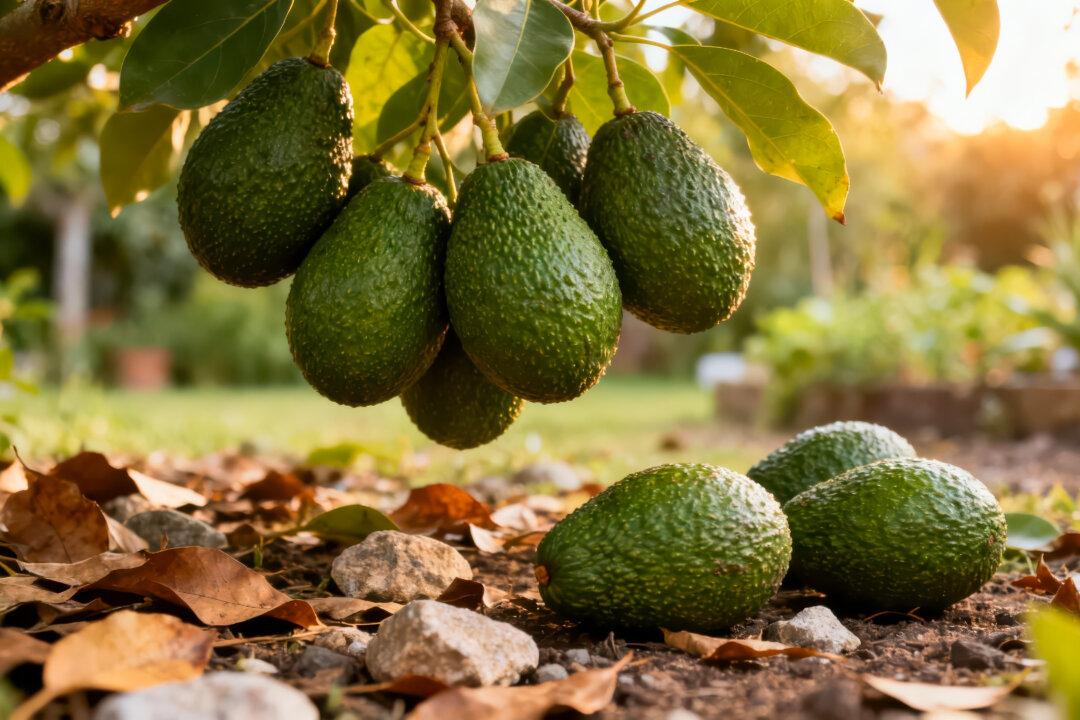
In Texas, many wealthy landowners keep cattle simply to qualify for agricultural tax exemptions. In California, others grow avocados or lemons for the same reason. These operations are not designed to earn a living from farming. They are designed to reduce tax burdens. When people with deep pockets sell their products for whatever the market offers, it drives prices down for the farmers who depend on that income to survive. The result is a distorted marketplace in which real farmers cannot compete and the true cost of food remains hidden.

Some studies estimate that Americans pay only about one-third of the actual cost of their food once government subsidies, environmental costs, and unpaid labor are considered. I cannot tell you the exact number, but I can tell you from experience that we are nowhere close to paying what food really costs to produce. When fuel or feed prices double, we cannot simply charge more. We absorb the loss and work harder somewhere else to make up for it.

I want to be clear that I do not feel like a victim. I am honored to do the work that I do. There is no greater privilege than tending the land and feeding people. I am not complaining. I am explaining, because this system cannot last forever. It is not just that farmers are underpaid; it is that we have built an economy that no longer values the sacred exchange between the earth and the people who care for it.

Farming should allow those who do it to live a full life. It should not require 80 hours on the farm and another 40 off of it. Farmers should be able to focus completely on the land, the animals, and the food they create in partnership with the soil and the creator.

As my friend AJ Richards often says, “We must learn to shake the hand that feeds us.” We have to find ways to support farmers directly. That means buying from local farms, joining farm shares, and supporting restaurants that source from nearby producers. These are not trendy gestures; they are lifelines. Every time you buy food directly from a farmer, you are helping repair the system that has forgotten its roots.

We are standing at a crossroads in U.S. agriculture. For decades, we have chosen paths that prioritize convenience, consolidation, and control. It is still possible to turn around and choose a system that values truth, people, and nourishment over profit.

I do not believe that the spirit of the American farmer will die. The calling runs deeper than profit. But if we continue down this path, with 85 percent of farmers needing to work somewhere else just to survive, we will lose not only our farms, but also our food independence.

The people who grow your food should not have to work 40 extra hours a week to afford to do it. They should not have to sacrifice their families to feed yours. They should not have to call it a privilege to lose money while feeding a nation.

Until we recognize the true cost of food, we will continue to pay for cheap food with the lives and labor of the people who produce it. That is a debt no society can carry forever.

Views expressed in this article are opinions of the author and do not necessarily reflect the views of The Epoch Times.
Google LogoMark Us Preferred on Google
Mollie Engelhart
Mollie Engelhart
Author
Mollie Engelhart, regenerative farmer and rancher at Sovereignty Ranch, is committed to food sovereignty, soil regeneration, and educating on homesteading and self-sufficiency. She is the author of “Debunked by Nature”: Debunk Everything You Thought You Knew About Food, Farming, and Freedom—a raw, riveting account of her journey from vegan chef and LA restaurateur to hands-in-the-dirt farmer, and how nature shattered her cultural programming.