In 2007, German filmmaker Werner Herzog released “Encounters at the End of the World,” a documentary about Antarctica. Millions of penguins inhabit the frigid continent, and of the many recorded by Herzog, there was one the filmmaker said caught the film crew’s eye. Situated among a small group, it was “the one in the center.” This penguin had stopped, seemingly considering his choice between “the feeding grounds at the edge of the ice” or a “return to the colony.” But the penguin chose neither.
“Shortly afterwards, we saw him heading toward the mountains, some 70 kilometers [about 43 miles] away,” Herzog narrated.
The result of such a choice, Herzog stated, was obvious: “certain death.” The clip, which altogether lasts about a minute, made the rounds on social media years ago, leading to monickers for the animal such as “Lonely Penguin” and “Nihilist Penguin.” In recent days, the image (even artificial intelligence-generated versions) has become one of the biggest social media trends of the early year, but the penguin’s new persona is no longer nihilism. That change actually stems from Herzog’s two-word question about the penguin’s actions: “But why?”
Asking the Question
Of course, readers may find this existential metaphor absurd. Perhaps it is. But the question is not absurd. “But why?” is the same question every clear-thinking person has ever posited countless times to God, or the universe, or at least to themselves.Why Am I Here?
Such a question cannot be answered in the carefree environment of “the feeding grounds” or “the colony.” That question requires a journey. The hero’s journey. The journey of suffering and difficulty. Of trials and tribulations.The response to this existential penguin meme is not in itself important. What is important is how the responses reflect the current cultural shifts.

Answering the Question
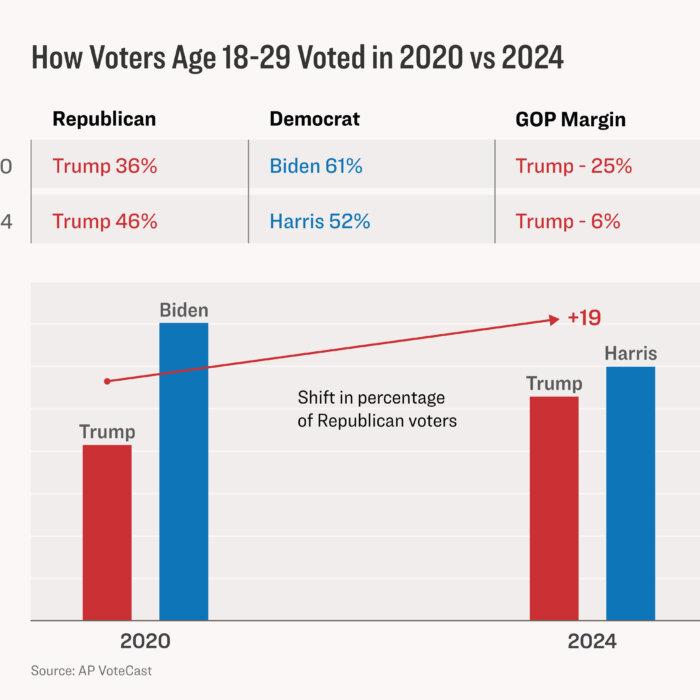
It appears that young people are noticing the existential crisis they find themselves in. They have been thrust into a world of soulless materialism, which certainly can plant the seeds of nihilism. How so? They have grown up with cellphones in their hands, and therefore have been witness to the unrelenting demands of society with every scroll. The violence of every war. The false reality of every selfie. The corrupt and vindictive world of politics. The vitriol of partisans. The perversions of pornography. And now with the introduction of AI, nothing seems real. And if nothing is real, then there is no meaning. It is a frightening proposition.The penguin’s decision, inserted into the realm of humanity, makes perfect sense. Caught between the choice of the overconsumption of the “feeding grounds” and the aimlessness of “the colony,” the danger and uncertainty of the mountains become all the more appealing. It is Robert Frost’s “two roads diverged in a yellow wood.” It is Henry Wadsworth Longfellow’s proclamation:
“Life is real! Life is earnest! And the grave is not its goal.”
It is Theodore Roosevelt imploring his listeners that as long as one is “in the arena,” then whether you experience victory or failure, your place “shall never be with those cold and timid souls who knew neither victory nor defeat.”
So are America’s youth having a moment? And has a penguin at the southern end of the globe really become the mascot for this moment? Certainly Frost, Longfellow, Roosevelt, and so many other actual people could have articulated the moment far more eloquently. But in today’s world, with today’s youth, it may have required a penguin, hell-bent on a path to certain death, to force them to not only ask the question, but also, hopefully, to answer it.
Therefore I will echo what countless social media users have stated: “Be the penguin.”