The Magna Carta is the foundation of freedom in the West. It states plainly that the sovereign does not have absolute power. Others have rights, too, that cannot be abrogated by decree. That’s a radical statement in the history of humanity, one that unfolded in time to become the freedoms we believe are essential in political life.
Part of that radical statement included a reference to trial by jury: “No free man shall be seized or imprisoned, or stripped of his rights or possessions, or outlawed or exiled, or deprived of his standing in any way, nor will we proceed with force against him, or send others to do so, except by the lawful judgment of his equals or by the law of the land.”
Judgment of equals! That’s peers. Citizens. People in your own community.
Think about the implications of that. The government is leaving it to the citizenry to judge the facts of a case, determining whether the person is guilty or innocent. This is not for the judge, but rather the people. Such an institution expresses profound confidence in the wisdom of the people.
The course of public life over many years has caused even me to doubt the wisdom of the masses, so one wonders: Does this system really work? Maybe not in every case, but it only needs to work better than any alternative system. Of this I’m recently very convinced.
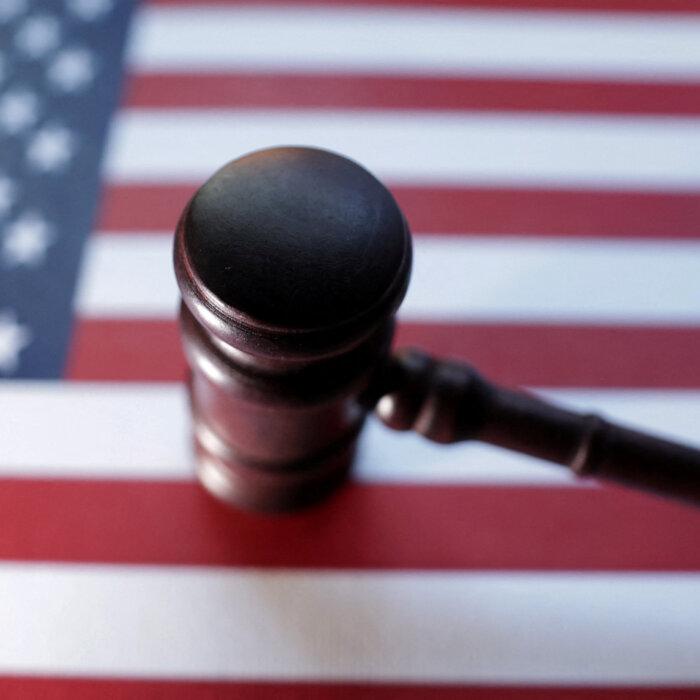
Yes, the day arrived finally when I received a jury summons in my mailbox. No one welcomes one. We try to delay and get out of jury duty, but let’s face it: It is forced upon us, like taxes. Serving on juries is something that is considered part of citizenship. You can get benefits from being a citizen, so this is one way you pay the toll.
I dreaded mine and delayed it. But finally the day arrived. I arranged everything to make it possible and showed up at the courthouse. I’m glad for it in the end because it was a fascinating experience. I did not know ahead of time if it was to be a criminal or civil trial. The jury training is the same in both cases.
As I sat watching rather dull tutorial films, I looked around the room to see if these peers were really suitable for judging something. To my amazement, my intuition said yes. Everyone was taking it all quite seriously. As we broke into smaller groups to prepare to be interviewed by the judge in front of the attorneys, my confidence grew.
Here is a nurse. Here is a plumber. Here is a retired teacher. Here is a 20-something tech worker. Here is a server in a restaurant. Here is a chiropractor. Here is a stay-at-home mom. Here is a landscape worker. Here is a handyman. Here is a baker. And so on it went, like a range of characters from the community straight out of a children’s book like “Busytown.”
It was all rather thrilling to meet all these people and talk with them about the case in broad terms.
As it turned out, this was a criminal trial expected to last at least eight days. Everyone selected would have to take time off work and otherwise arrange their affairs.
What was the crime in question? The judge explained it to all of us from the bench. The accused were sitting right there along with their attorneys. The alleged crimes were shocking beyond what I can even publish here. Egregious. Appalling. Beyond belief, really. I could feel all my peers sucking in air in shock as the judge listed the charges.
In the time it took after that moment, as each person was called to the courtroom to be questioned about their suitability for the position, we talked among ourselves.
You know what was not part of the discussion? Politics. No one said a word about it. Why? Because that was not at issue. What mattered was the facts of the case. What these men were accused of was truly hideous.
If they were not the right people, if they had done nothing wrong, their incarceration and the whole trial would be terribly unjust. The jury could free them from their sufferings. On the other hand, if they were the perpetrators, they would deserve whatever punishment would be meted out by the judge. Everyone knew that their judgment could make the difference between life in prison and freedom itself.
Do people take this job seriously? Yes, they do. Politics doesn’t matter here. It is only a question of whether the facts back the allegation. Everyone agrees that the crimes of which they are accused deserve what the system offers.
When it came to my turn for the interview, I pointed out a scheduling conflict, which I tremendously regretted. The attorneys were all very nice to me, as was the judge. He explained that I could surely be useful in some other trial and looked forward to seeing me again in the future.
I was dismissed.
To my own amazement, I was slightly disappointed. I was already invested in the case and very interested to see how it would all unfold. I also think I would have made a good juror. I had no real biases in the case, and I doubt anyone else did either. No one wants an innocent person punished. And no one wants a guilty person to go free.
If we can agree on those two points, we can understand why the jury system works.
That said, this was a criminal trial, which is perhaps easier, with less ambiguity, than a civil trial. In civil trials, we are dealing with much murkier areas, such as labor relations. Who is to say what is and isn’t a “hostile work environment,” for example? What is and is not libel? What is or is not harassment, and who are you going to believe? I can easily see how such civil trials can go wildly wrong, with political biases wrecking everything. People might be biased against corporations, or governments, or men, or Catholics, or whatever.
That said, it strikes me that overall, the jury system is a genuine treasure of a free society. As an institution, it expresses confidence in the wisdom of the people over the dictates of judges.
These days, it is a rare thing to feel pride in one’s civic institutions. I felt it the day I did my jury duty, showing up for my service. It’s the right system. It still works. And these days, that is saying something.
I’m grateful for the courageous people who stuck their necks out in the 12th century to say that the king was not the right party to judge guilt and innocence, and that the people should be the ones to decide. This is an essential bulwark of liberty, one that survives despite all the travails of our time.