I’ve recently relaxed my old rule about not talking to reporters of mainline corporate news, if only as an experiment to test what comes out in print versus what I told them. What I’ve discovered probably won’t surprise you. If I’m quoted at all, it is in service of the thesis and spin of the article. If I said nothing to reinforce the spin, my comments are dropped entirely.
This is what I’ve found.
So one wonders, why bother? For me, it has been an education in the difference between good reporters and bad ones. A good reporter gets the story, which is usually complicated and involves a number of different perspectives. He calls up stakeholders on the matter and gets quotes that frame up the issue in service to the reader so that consumers get the whole picture.
That’s the ideal. Sadly, mainstream media has been largely taken over by editors, owners, and writers who have a single narrative to tell and sell. It doesn’t matter how many other views are out there or how many people contradict the story. They tell it anyway.
I recently spent 30–45 minutes with a reporter who was writing a story on public health in the United States and the Trump administration’s response to post-COVID-19 turmoil in pharmaceuticals. I explained to the reporter why precisely this was happening and some details of how the industry is trying to keep a lid on it.
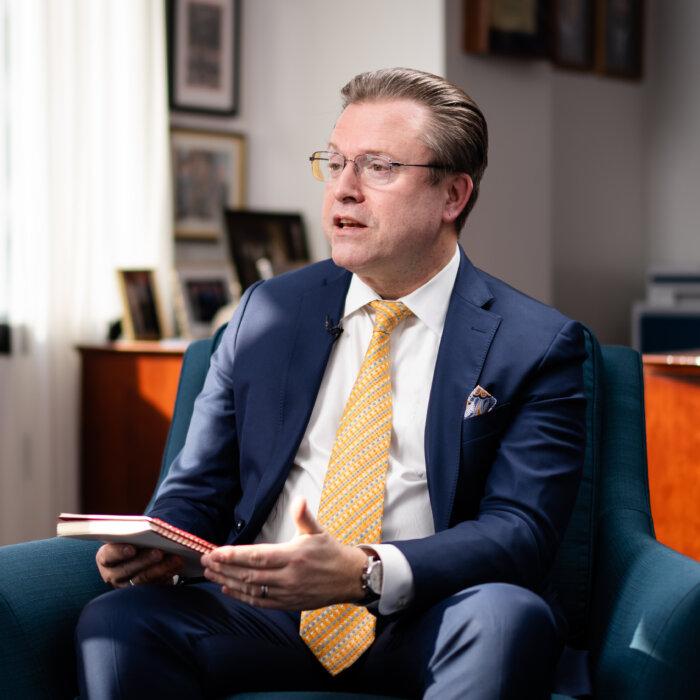
In particular, I explained how polls are being used and misused, critiqued in a devastating way some polls being trotted out, and gave precise evidence on alternative views.
At no point did the reporter push back on anything I said. Indeed he completely agreed that this side needs to be told. This morning, the story appeared. None of what I had told him was in the story. It was as if my phone call with the reporter had never happened.
To be sure, if the writer were ignorant of the broader outlook, I could understand. But in this case, this was not true. He simply decided to ignore whatever did not fit his cockamamie and highly biased outlook.
For sure you have read this critique before. But there is no way to know just how bad the problem is until you see it up close. Sometimes I wonder whether readers are even aware that they are being fed narratives, not journalism; propaganda, not reporting; and bias rather than a full and objective accounting of the moment. I’m just not sure how many people sense this.
I have no regrets in telling these reporters what is true, if only because it falls to them to consciously exclude, which means practicing their craft in an unprofessional way. If I did not speak to them, they could luxuriate in the belief that they are not lying but merely reporting. Talking to reporters makes that impossible.
Still, the way the system works is deeply frustrating.
As an aside, I’ve had interactions with reporters at The Epoch Times and know some of what goes into the reporting here. I know for a fact that there is an old-fashioned ethos at work here. They are trained to get all the sides and fairly characterize the facts and opinions. They report matters as they stand, insofar as it is possible. It’s rather incredible to me that I’ve heard people say it is biased in a rightward direction.
The only reason people say that is that it is a widely distributed source that actually seeks balance, and balance to some people comes across as surprising and unusual. It is indeed. We’ve traveled so far down the road of advocacy journalism that some people cannot recognize the old standards when they see them.
So why talk to the mainstream media? In my view, the merit is that you are given the chance to burn up their ears with a different outlook. That is valuable even if you are misquoted or not quoted at all. The key is to go into these interviews with awareness of what is going on so that you don’t get sandbagged.
More interesting is the opposite answer, the people who say they have no trust. In these 50 years, a mere 4 percent mutated into fully 34 percent who say they don’t trust the mass media at all.
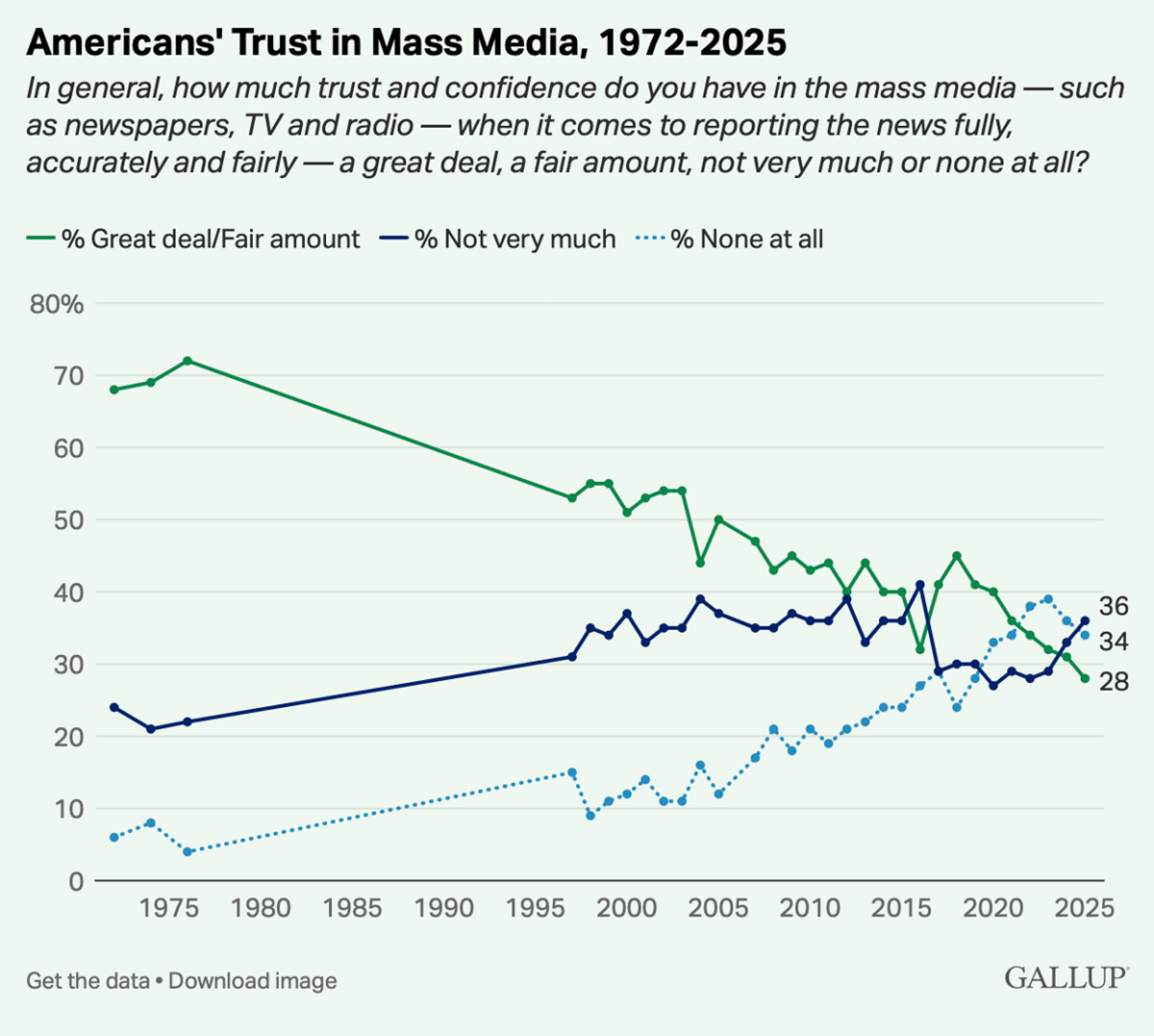
Why might this be happening? I do wish there were some serious thought put into that question. Most venues just go on their merry way, acting as if all is well and there is nothing about which to worry.
To be sure, some of these problems trace to extreme partisanship in politics today. Just consider the issue of climate change: Half think it is real and serious, and the other half believe it is all a hoax. What does one do with such a mix? One might suppose the answer is obvious: report both views and the reasons, and draw attention to the striking gap.
But that is not what happens. Instead, you get near-universal agreement that climate change is a terrible threat that can be solved only with material deprivation, relying on breezes and sunbeams, and sitting in the dark when the sun goes down. The other perspective is hardly ever represented.
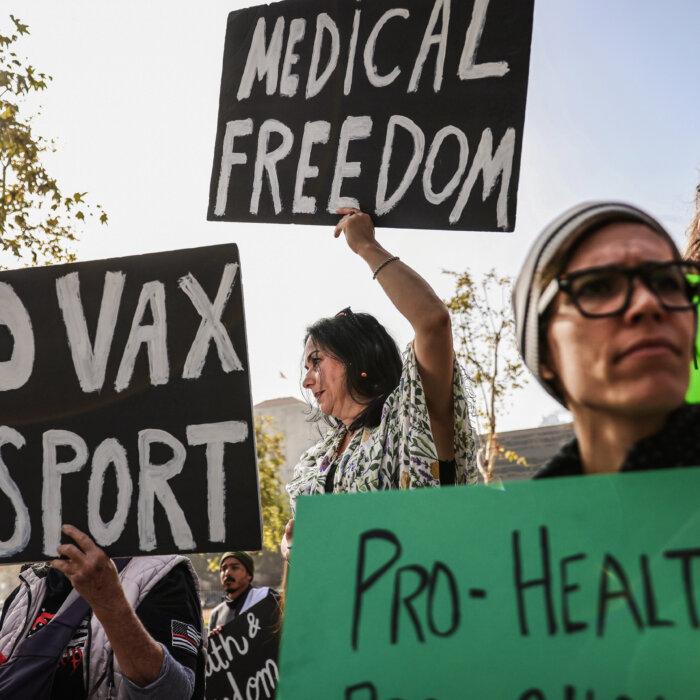
It’s the same with vaccines, even more so, such that anyone concerned about injury is tossed aside as an anti-science kook. This is the strict model from which there is rarely any deviation.
I’m as tired of this as you are. It might take several more or many rounds of employment terminations and industrial takeovers to wake up some of these old venues.
Artificial intelligence (AI) is increasingly playing a role here so that it is hard to tell when reading whether something is written by a person or whether it is written by a machine. AI is severely biased, too, as I know from digging through AI’s answers on a topic I know well.
That said, it is in fact slightly better than most biases out there. It’s awful to say, but if AI were to replace the writing in many mainstream corporate venues, the reader would probably be better served.
For example, prompted by an easy question on climate change, AI just told me: “Warming is real, but its severity, rate of acceleration, and net human impacts involve significant uncertainty and debate.” That’s interesting because I don’t recall reading that in the corporate news lately!
Journalism is a skill but also a frame of mind. It involves internal integrity, a passion for truth, a desire to serve readers, and a driving motivation to chronicle the stream of time as accurately as possible. Wouldn’t it be nice to return to that idea?