In Idaho this fall, farmer Steve Jarvis had more than 20,000 pounds of potatoes still in the ground. Out of 50,000 pounds he planted, 15,000 had been harvested, another 15,000 had been eaten by deer and elk, and 20,000 remained buried under the dirt. They were too expensive to dig up and too cheap to sell. After a full year of backbreaking labor alongside his wife and children, their total profit came to just $485. That is what the end of U.S. farming looks like: not a headline or a protest, but quiet exhaustion on land that once fed towns.
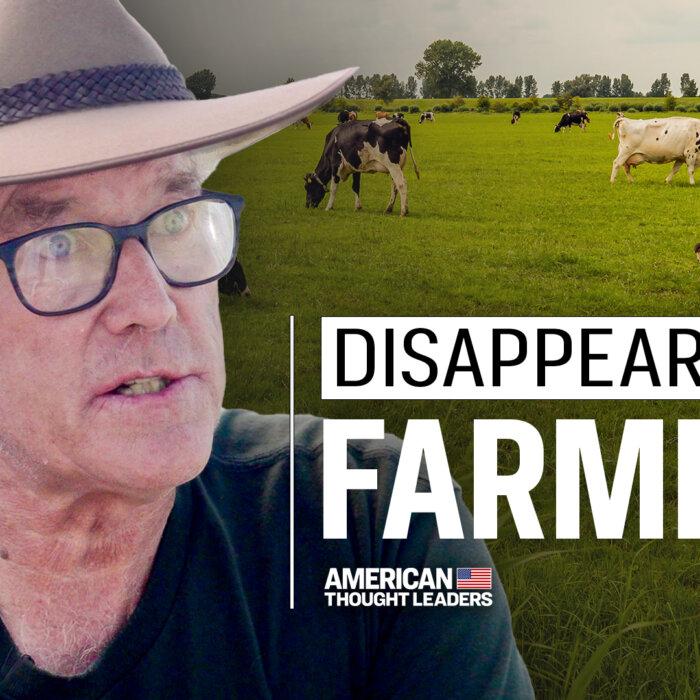
Jarvis is not just the loud voice people see online or the farmer who hosted Health Secretary Robert F. Kennedy Jr. earlier this year. He is not just the man who takes up too much air in a meeting in Washington, although he does that, too. He is a man who has spent his life in the dirt. He is one of the last of the old-time row croppers, practical, stubborn, and sharp as a whip, watching everything he knows about farming collapse in real time.
He has done it all. He married into a dairy family and milked cows in Texas. When regulations made small dairies impossible, he turned to hogs and U-pick crops. When new labeling laws made it too hard to survive, he pivoted again, this time to row crops. For years, he shipped more than half a million pounds of new potatoes, cucumbers, and sweet potatoes every year to 10 grocery stores across Texas. In 2009, he was named Agriculturist of the Year.
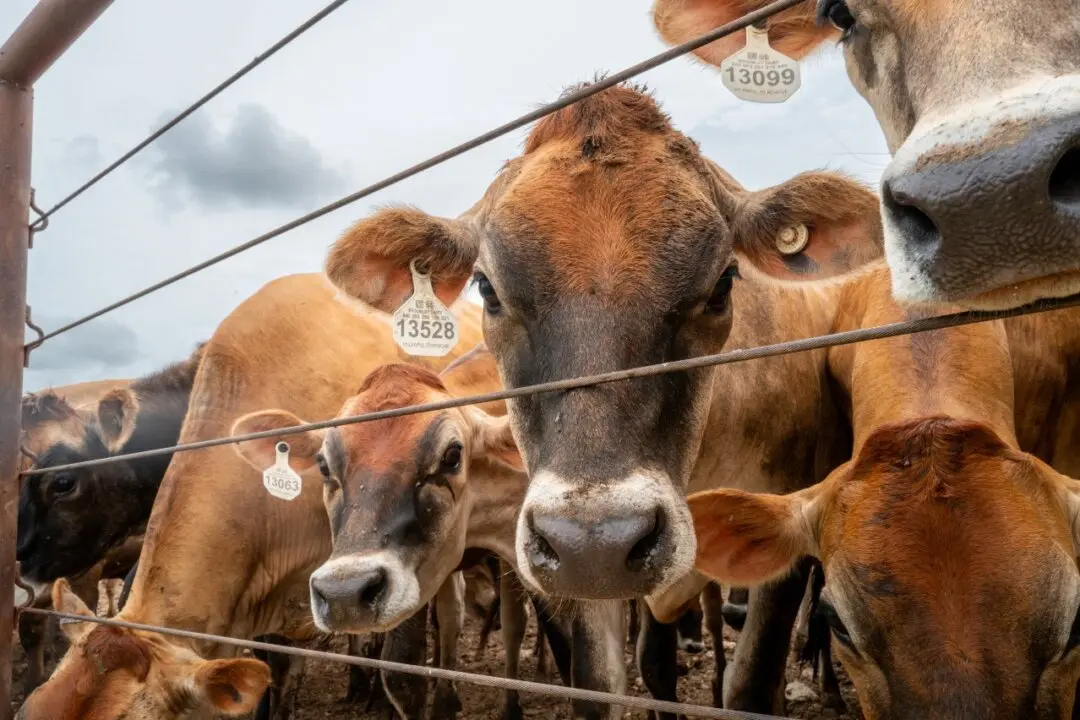
Then came the Food Safety Modernization Act, a law meant to keep us safe, although it ended up doing the opposite for small farms. Suddenly, the cost to comply was more than most could bear. Jarvis could no longer sell directly to the grocery stores that sustained him. Overnight, his thriving business collapsed. He was forced to dump nearly 200,000 pounds of fresh produce to cattle because there was nowhere else for it to go.
“That was the day the government made waste out of food,” he told me.
He left Texas for Idaho and tried again. But this time, the math no longer works. And Jarvis is not just talking about his own farm. He is talking about an entire system.
According to him, you can divide farmers into four groups: gardeners, homesteaders, row croppers and orchardists, and commercial agriculture. The first three, he said, are already collapsing. For a while, he thought that the big operations, the massive commercial farms, had more runway. But now even those are going under. The banks are circling, the debt loads are crushing, and the stress is relentless.
“The banks are coming for the farmers,” he told me. “They are collapsing family farms one by one.”
Jarvis believes that the government should wipe out every farmer’s debt, just as it did for the banks in 2008. Because without farmers, there is no food. And without food, there is no country.
Meanwhile, he points south and east to Brazil, where there are millions of acres of untouched farmland, rich soil that has not been degraded by chemicals or overuse, and labor that costs $12 per day. Africa is developing rapidly, too, with major global investors moving in. While they are expanding, we are shrinking, strangled by our own policies.
“Our dollar is collapsing, and the same people who tell us not to worry about the money are the ones who told us not to worry about the food,” Jarvis said.
He is not wrong. Central bankers always act as if they know what they are doing until the moment it becomes obvious that they do not. The truth is, our financial and food systems are collapsing together. Both are built on false security. Both have been hollowed out by greed and detachment.
That is why Jarvis’s plan is not a farm plan. It is what he calls a war plan.
He believes that the military should treat the food crisis as a national security threat. His idea is straightforward and radical. The government would buy farmland and launch a farm enlistment program. People would sign up for five years and start with boot camp.
“If you cannot make it through boot camp, you cannot make it on a farm,” he said.
After training, they would be assigned land to work. The food they would grow would go straight into schools, hospitals, and prisons, completely bypassing the corporate grocery supply chain for at least five to 10 years.
After five years of service, those new farmers could lease or buy their land and continue farming independently, using shared government facilities for processing and distribution. It is a massive plan—roughly $375 billion, by his estimate—but one that would rebuild rural economies and feed the nation from within.
He believes that it would also spark more than 700 percent ancillary job growth, from mechanics and truck drivers to inspectors and educators. And if U.S. metabolic disease rates dropped by even one-third because people were eating real, nutrient-dense food from local farms, it would more than pay for itself, according to him.
Now, I will be honest. I am not someone who loves government spending. But this is not welfare. This is not another farm subsidy. This is survival. This is the kind of project that would reanchor the country in soil and labor instead of speculation and debt. It is a war plan for a nation already under siege—not by foreign enemies, but by apathy and corporate capture.
Jarvis is not asking for sympathy. He is asking for attention. He has met with Kennedy, he has spoken to leaders, and I have watched him pound the table in government offices, desperate for someone to understand. He is not angling for fame. He is trying to keep the United States fed.
It is easy to brush off a man such as Jarvis as too loud, too passionate, or too extreme. But if you listen closely, you hear something else in his voice: grief. He has watched his life’s work, and a whole way of life, disappear under the weight of regulations written by people who have never grown anything but a career.
We should listen to him. Because if we do not, we will soon discover that the collapse he is warning about is already underway, and the soil beneath our feet will tell us long before the headlines ever do.