A Supply Chain, Not a Slogan
Imagine a sanctions analyst on a U.S. bank’s midnight shift watching a payment ping from a Chinese trading company to a Gulf intermediary for “industrial valves.” The invoice is generic, the routing threads through a Hong Kong shell he has seen before, and the beneficial-owner field is blank. The cargo is labeled “machinery parts,” vague enough to pass first review, and the end-user’s address resolves to a shared office suite.Nothing in the file is a smoking gun. But it feels familiar: China’s commercial ecosystem provides the frictionless cover that lets sanctioned partners keep moving.
And in the past month and a half, that supply chain has looked less theoretical. North Korean state media said Kim Jong Un ordered missile and munitions plants to expand output. Russia released footage showing the deployment of its nuclear-capable Oreshnik missile system in Belarus. Russia launched three Iranian satellites on Soyuz rockets, extending a space partnership between two U.S.-sanctioned states.
From Concept to Statute
In the early days of October 2025, the DISRUPT concept was still a struggling proposal in congressional discussions. That is now overtaken by events. On Dec. 18, 2025, President Donald Trump signed S. 1071, the National Defense Authorization Act for fiscal year 2026. Embedded in the enacted law is the core DISRUPT construct as Section 1273, titled “Defending International Security by Restricting Unacceptable Partnerships and Tactics.”What Section 1273 Actually Requires
DISRUPT does not magically create new coercive powers. It compels coherence. Section 1273 directs the secretaries of state, defense, the Treasury, and commerce—alongside the director of national intelligence—to establish interagency working groups focused on “adversary alignment,” to designate points of contact to lead them, and to meet at least twice a year; the authorities sunset after five years unless renewed.At its core, Section 1273 is a mandated strategic approach: a report laying out the steps to “disrupt, frustrate, constrain, and prepare for” adversary cooperation, explicitly including the growing connectivity between adversaries’ defense-industrial bases, allied coordination, and an assessment of whether sanctions and export-control enforcement are effective and adequately resourced.
Why the Past 45 Days Strengthened the Connective Tissue Thesis
If Section 1273 had arrived during a quiet period, it would be easy to dismiss it as bureaucratic housekeeping. But late 2025 supplied a useful reminder: Wars and coercion are sustained by factories and logistics, not rhetoric.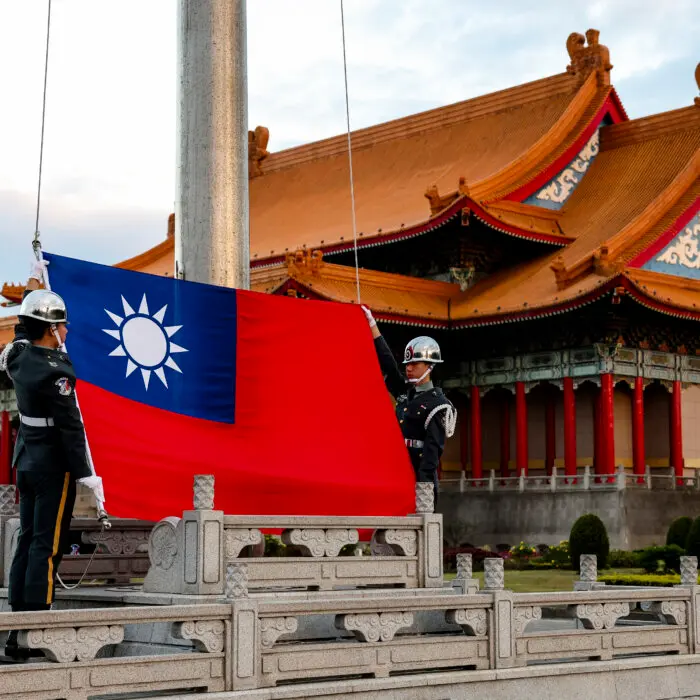
Kim’s production push matters most when read as a war-sustainment function rather than a standalone North Korea headline. The Belarus Oreshnik deployment is grandstanding through deterrence theater and operational rehearsal. And the Iran satellite launch reaffirmed assessments that the partnership between Moscow and Tehran is durable, dual-use, and increasingly routine.
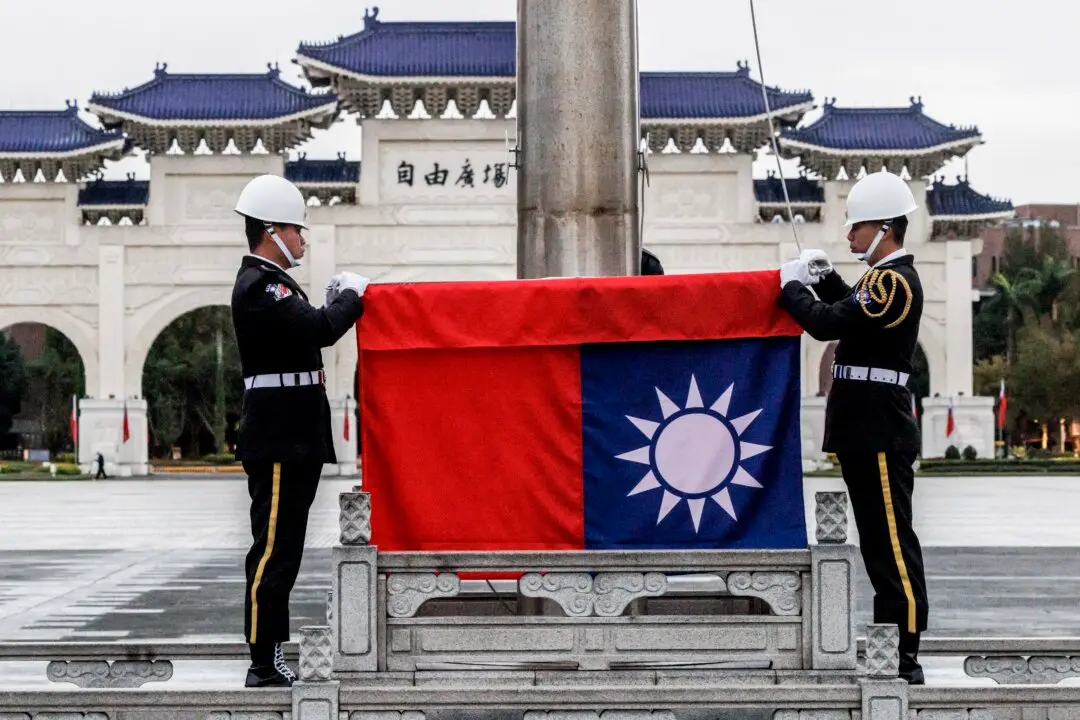
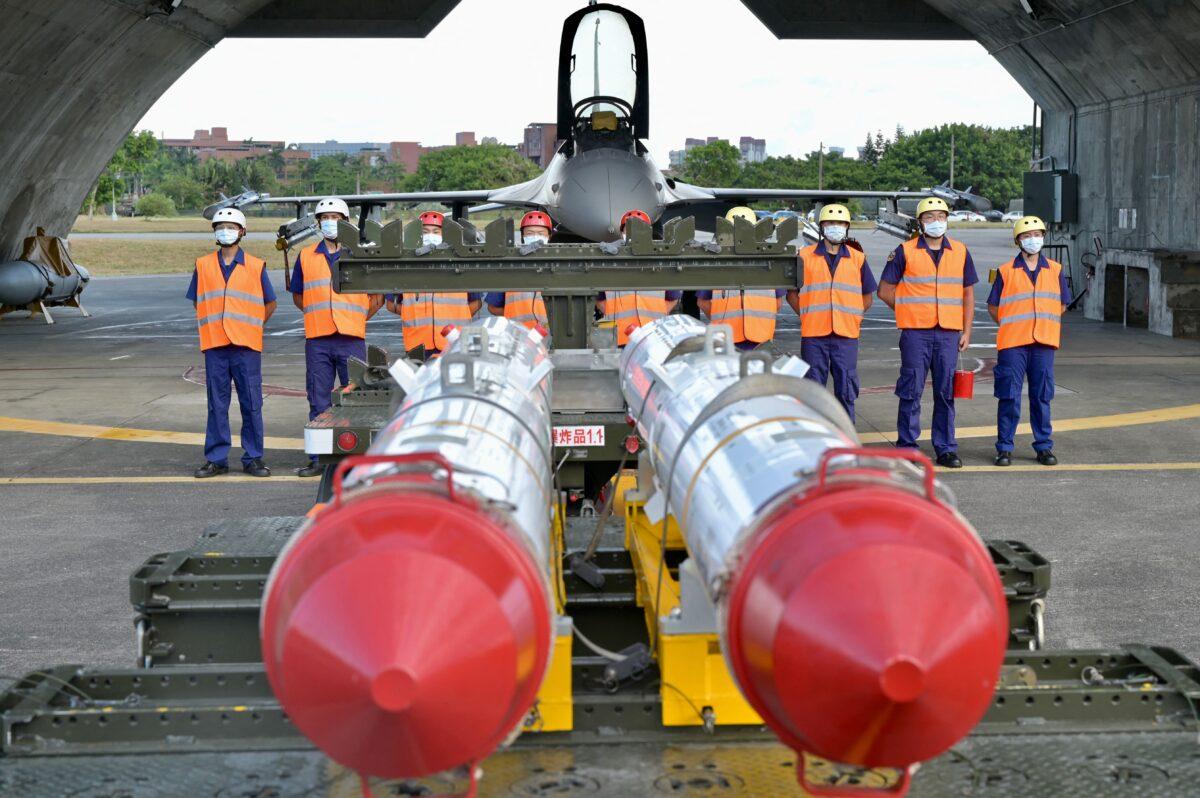
Beijing’s late-December 2025 sanctions against 10 individuals and 20 U.S. defense companies tied to Taiwan arms sales underscore how quickly pressure points can stack across theaters and domains—technology, defense industry, finance, and regional signaling—without the courtesy of arriving one at a time.
Here’s the inconvenient counterpoint: It’s easy to overread China as a master conductor. Beijing’s priority is not to bankroll Moscow, Tehran, or Pyongyang for ideological solidarity; it is to secure cheap inputs, keep export markets open, and avoid getting its own companies burned by secondary sanctions.
The Substrate: Evasion, Shipping, Energy
The Axis of Autocracies is not solely reliant on speeches and weapons transfers. It is powered by the infrastructure of evasion: ships, flags, insurers, brokers, cutouts, and the financial plumbing that helps sanctioned systems breathe.In late December 2025, Reuters reported that India’s largest refiner was buying Colombian crude under an optional supply agreement with Ecopetrol as refiners diversify amid tighter sanctions pressure.