A relatively new Chinese Communist Party (CCP) agency called the Central Society Work Department (CSWD) is getting increased attention.
The CSWD was instituted in 2023, apparently in response to local protests in China over COVID-19 pandemic lockdowns and the country’s economic slowdown. The CCP ostensibly intended the CSWD “to modernize the country’s social governance and better handle complaints and proposals from the public.” It was also supposed to better solicit the opinions of the public, including those of individual petitioners.
While in the past Chinese individuals could petition against corrupt officials, now the CSWD can lump petitioners in with near-criminal people, the mentally ill, financial failures, and other “troubled” individuals. They can be treated as dangers to society, surveilled, criminalized, or provided with just enough extra social services to keep them quiet.

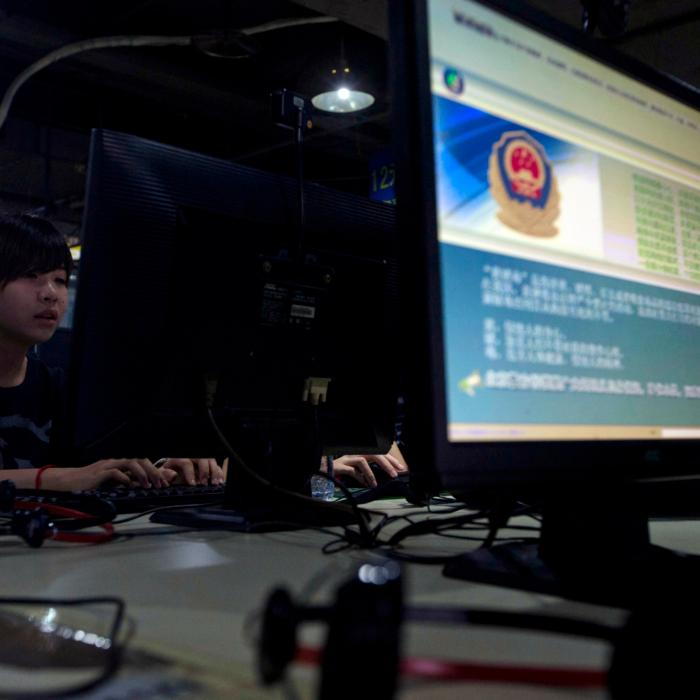
The persons under the surveillance of the CSWD are considered “five-loss individuals” because they supposedly fit into five undesirable categories. They have financial or family problems, mental or emotional disorders, or other life setbacks. A person who petitions the government for change can easily be punished if the CSWD lists him as a five-loss individual, claiming that his desire for change outside of the CCP structure is a form of mental or other disorder.
The CSWD does provide some benefits to listed five-loss individuals, including occasional debt forgiveness, counseling, or even help with home repairs. However, getting listed is not worth it because it includes extra surveillance and possible criminalization.
One cause of the new emphasis on social work was the instability that arose from COVID-19 lockdowns, including rare public protests in which individuals raised blank sheets of paper and called for regime change. The CSWD is specifically geared to making protests and other social movements, including labor strikes and mass petitions against local officials, easier to identify in their infancy and thus easier to quell through inexpensive individual-level solutions, crackdowns, or policy reform.
Thanks to the CSWD, any policy reform would appear to be the CCP’s initiative rather than a response to protests. More recently, mass attacks, such as those in which vehicles are driven at high speed into crowds, have been frequent enough in China to have become a major topic on Chinese social media. The CCP claims that five-loss individuals are more likely to conduct such attacks, providing the Party with the self-justification necessary to increase surveillance on them rather than provide long-term reform.
By identifying the cause of the problems at the individual level, the CCP is attempting to divorce itself from any responsibility for the societal-level problems it creates. People in China have more financial problems than those in places such as Taiwan, Japan, and South Korea because Chinese are, on average, poorer than their near-peers in East Asia. This is the result of the CCP’s misguided economic policies, including an aggressive militarism that wastes taxpayer money. The resulting financial troubles of individuals across China tend to accentuate individuals’ family and emotional disturbances.
Also insufficiently addressed is the fact that the CSWD is another attempt by the CCP to replace the social safety net of religious and other community organizations with the CCP’s own failed efforts to address individual problems. This further concentrates power in the CCP and removes it from local-level solutions provided by organizations that the CCP sees as its competition.
Religion has always been a glue that holds society together. As communists dissolve that glue, they are forced to put something in its place or accept greater political instability. The latter is obviously unacceptable to the CCP, so greater state control and surveillance through crackdowns and ostensible social services at the individual level is its strategy. However, this only serves to decrease social feedback to the CCP, which makes the real reforms necessary for improving China more difficult to achieve.
Given the spontaneous support for civil society rather than communist “solutions,” the CCP’s attempts to take over the realm of social work are bound to lead to a yet more rigid form of government and greater public disappointment in the CCP.