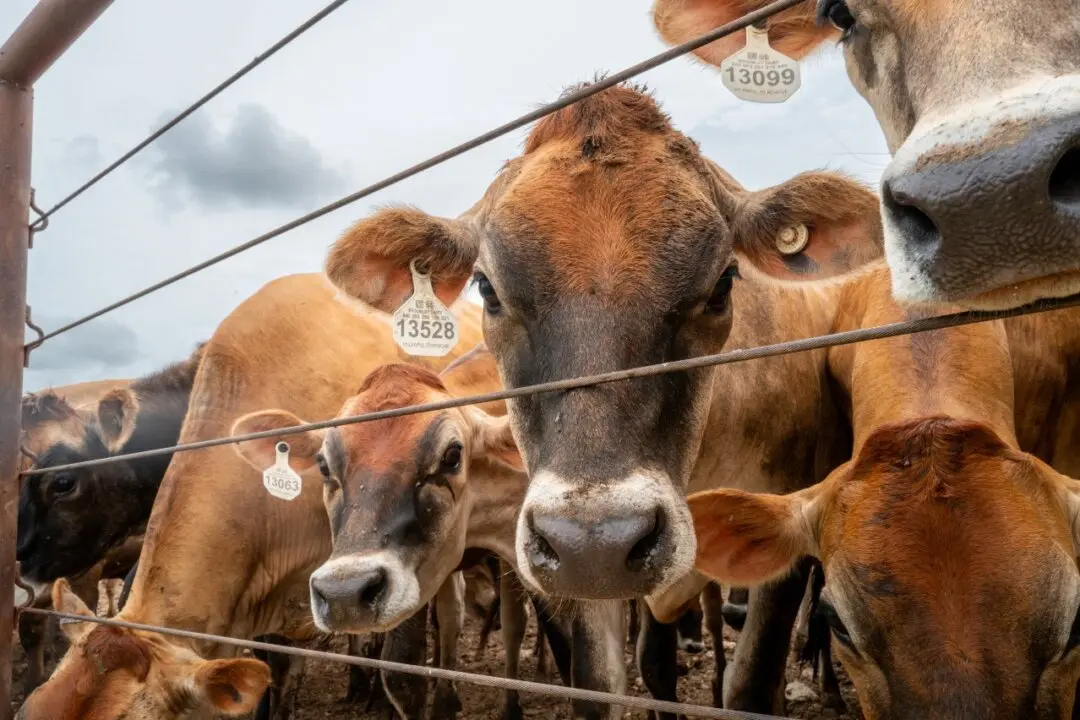
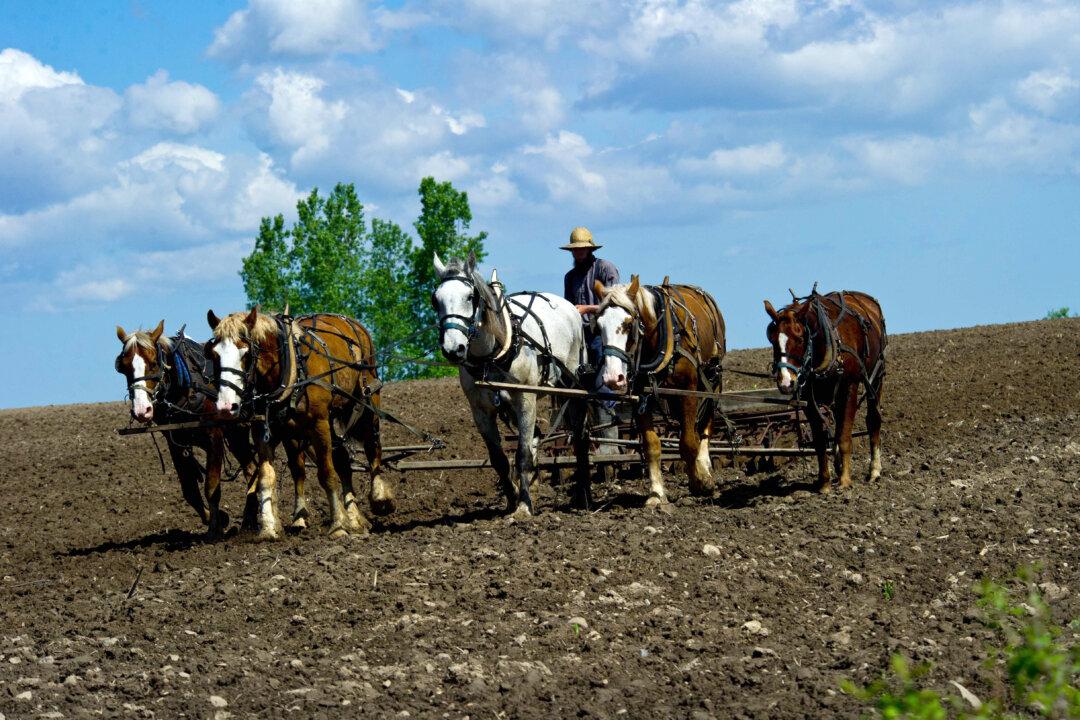
I ranch close-ish to the Mexican border. I am an organic and regenerative cattle producer. I spend my days trying to reduce chemical inputs, not increase them. I believe in working with biological systems instead of against them. I question centralized authority. I resist federal spending as a reflex. I am, by most definitions, the quintessential crunchy, overprotective mother who does not automatically trust the government.
So when influencers start sounding alarms about the federal government releasing sterile flies to combat the New World screwworm, I understand the instinct. I see the Bible verses circulating. I see Matthew 12:24 invoked as if fighting one fly with another is spiritually suspect. I see the suspicion that this is some grand biological experiment.
I am not offended by those concerns. I have spent plenty of time down rabbit holes myself. But before we spiritualize this or sensationalize it, we need to remember what the New World screwworm actually is.
This is not a nuisance fly. It is not a manure fly. It is not part of some benign cleanup crew in nature. The New World screwworm is a parasite whose larvae feed on living flesh. The adult fly lays eggs in an open wound or soft tissue. When those eggs hatch, the larvae burrow into live tissue and begin consuming it. They do not prefer dead tissue. They consume living animals. Left untreated, they can kill cattle, sheep, goats, wildlife, pets, and in rare cases, humans.
The United States fought this battle before. In the mid-20th century, screwworm devastated American livestock. Ranchers lost animals in staggering numbers. It was eventually eradicated from the United States using the sterile insect technique. Sterilized male flies were released so wild females would mate once and lay eggs that would not hatch, and the population would collapse. It worked. By 1966, screwworm had been eliminated from the United States and pushed south.
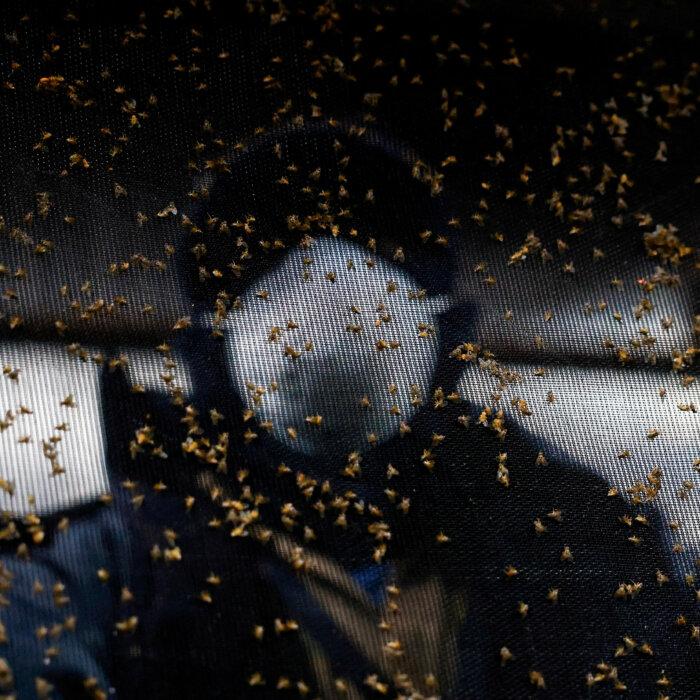
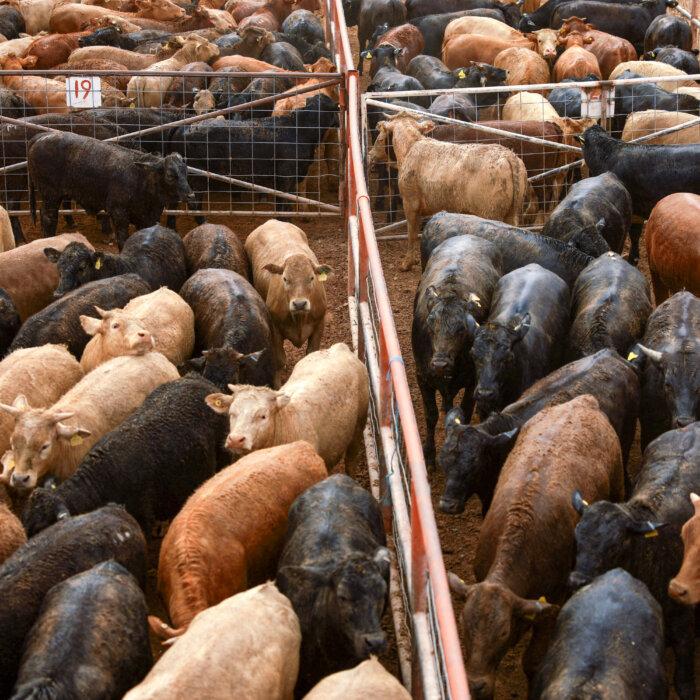
That history matters now that the parasite is moving north again. It has reestablished in parts of Central America and Mexico and is within roughly 700 miles of the U.S. border. There have already been travel-associated human cases diagnosed in the United States. It has not yet reestablished in U.S. livestock, but the buffer zone is shrinking.
At the same time, the U.S. cattle herd is at historic lows. Drought has taken its toll. Fires are burning across cattle country. Every head matters. Every calf matters.
If you have never watched a calf die that you desperately tried to save, it is easy to say, “Let nature be nature.” But screwworm is not a metaphor. It is a flesh-eating maggot that turns a small wound into a fatal one.
“Let nature be nature” is essentially my entire orientation toward life. I believe in natural systems. I believe in restraint. I do not believe we should intervene every time something is uncomfortable. And yet, I have taken antibiotics. I was once transported to a hospital during childbirth and had to be cut open because a bone that healed poorly from a teenage car accident made natural delivery unsafe. If I had insisted that nature simply take its course, both my son and I could have died. Letting nature take its course would have meant accepting a preventable tragedy.
There are moments when intervention is not arrogance but stewardship.
It is important to clarify what this sterile fly program is and what it is not. There are modern programs in other parts of the world that use genetically engineered insects, including gene-drive mosquitoes and inherited DNA modification, to suppress disease vectors. Those programs intentionally alter genetic material so traits are passed down through generations. This screwworm program is not that. These flies are not genetically modified in the biotech sense. No genes are added. No DNA is spliced. Nothing is engineered to spread. The males are sterilized using controlled radiation, a tool we already use in cancer treatment, medical sterilization, and food safety. The radiation damages reproductive cells so the males cannot produce viable offspring. It does not make them radioactive, and it does not create a new organism. It simply renders them infertile. Because female screwworms mate only once in their lifetime, that infertility is enough to collapse the population over time.
This is not a one-sided action. The United States has opened a sterile fly dispersal facility in Edinburg, Texas, and is reinforcing the northern buffer zone. A larger domestic production facility, funded at roughly three-quarters of a billion dollars, is underway to increase capacity so we are not solely dependent on production in Panama. Mexico is conducting surveillance, treating cases rapidly, operating trap networks, and coordinating sterile fly releases within its territory. Mexican and U.S. authorities are working together because parasites do not recognize borders. This is a regional containment effort.
I understand the hesitation around federal spending. I share it. But this is not about cheering for government programs. It is about choosing the least destructive option in front of us.
Sometimes stewardship means picking the better bad.
If sterile flies fail, the alternative is not some romantic return to balance. The alternative is chemical escalation. It is heavier insecticides, more aggressive parasiticides, and more widespread treatment protocols that touch soil, water, wildlife, ranchers, and consumers. It is animals suffering while producers scramble to contain infestations. It is more human exposure, not less.
Screwworm is horrific. But the chemical response to a full reestablishment would be horrific in a different way.
As someone who has built her life around natural systems, I believe the sterile insect technique is the far better bad. It is species-specific. It is temporary. It does not rewrite DNA. It interrupts reproduction and lets biology do the rest.
This is not a situation where we can gain herd immunity and let it burn through. There is no natural immunity that protects against a fly laying eggs in an open wound. Every newborn navel, every branding mark, every fence injury, every surgical incision becomes an opportunity.
The way through is not through. The way through is containment.
Stewardship does not mean intervening in everything. But it also does not mean standing still while something preventable spreads through the animals entrusted to our care and into the food supply we all depend on.