The first two years or so of the U.S. Civil War were a disaster for the North. Although the South had far fewer men, weapons, railroads, and money than the North, the South scored victory after victory and even invaded the North.
It was in these frustrating circumstances that President Lincoln did some soul searching and decided that he had to make the war about ending slavery, not about simply preserving the Union as he originally had done. This culminated in the issuing of the Emancipation Proclamation, which would free slaves in the South. Once this new priority was clearly made, the pieces of a Northern victory all started falling into place and were realized less than a year later at the pivotal battles of Gettysburg and Vicksburg. The rest is history.
In Lincoln’s wartime re-focus, there is an instructive example for President Trump. The new peace deal with Iran seems destined to blow up at any moment, and if not now then possibly later and worse when the explosion could be nuclear. It is a victory-elusive situation for the United States, like what the North faced in the beginning of the Civil War.
Some soul searching is again in order. Of course, we do not want Iran to have a nuclear weapon to terrorize Israel and the rest of the world with. However, if we juxtapose the Iranian regime with the Chinese communist regime the results are interesting.
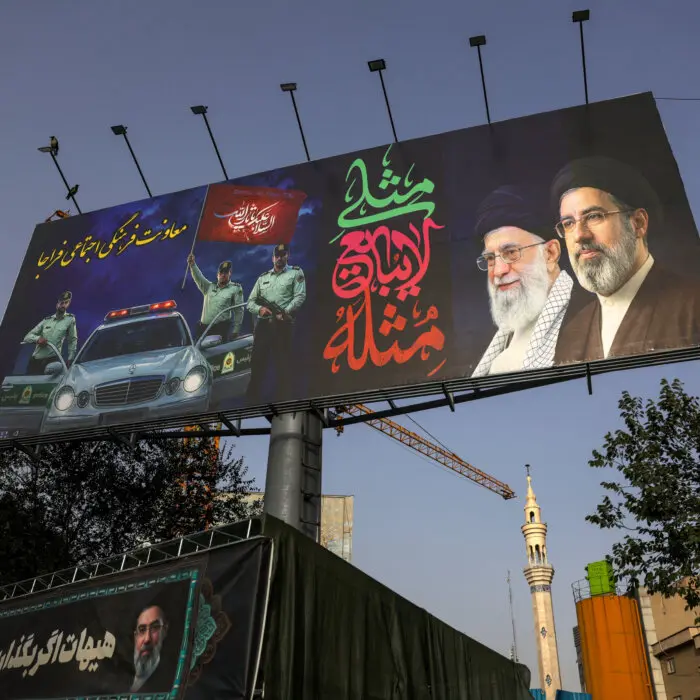
Iran threatens Israel, a nation of 10 million; has dangerously abused the United States in its rhetoric; and has terrorized its own people in its totalitarian control of society and its sick, monolithic ideology. Therefore, Iran cannot have a nuclear weapon and has been duly punished for attempting to gain one—including the destruction of its navy, air force, and most of its airborne arsenal.
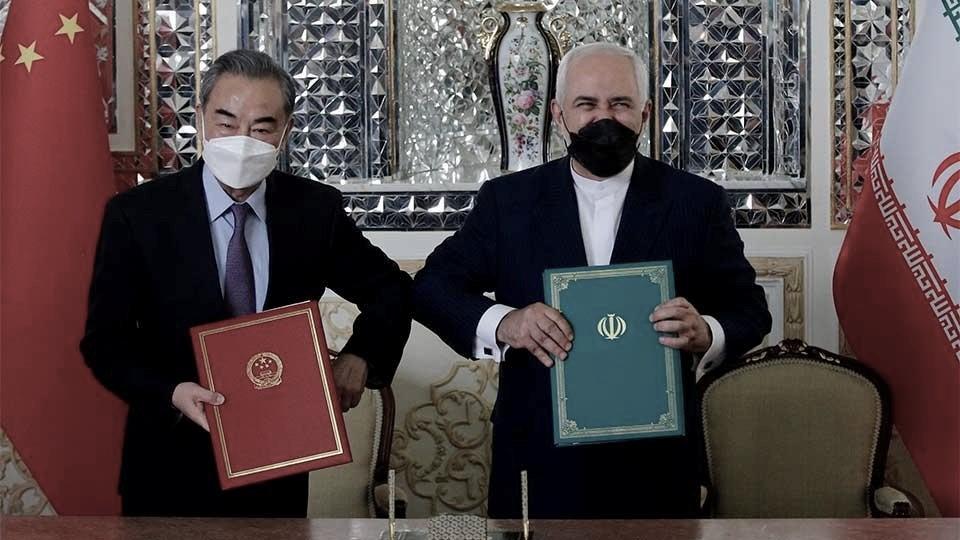
Yet China has had nuclear weapons since the 1960s and has permanent normal trade relations with the United States. All and all, China also has a positive trade relationship with America, which has a $200 billion trade deficit with China.
Is it any wonder that Iran has no qualms about seeking a nuclear weapon by any underhanded means necessary? China is the big brother role model that Iran looks up to.
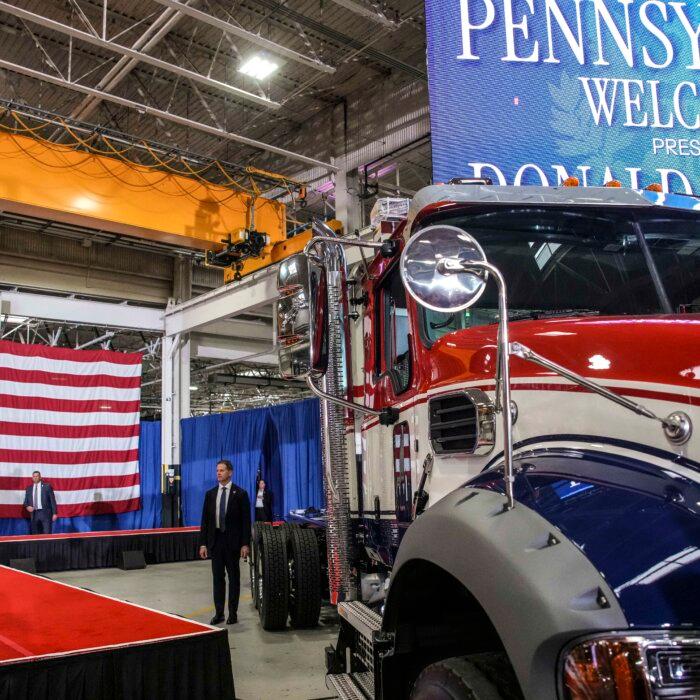
The overriding calculus that has led to the incongruous treatment of Iran and China relations has been America’s economic prosperity—the policy of America First. This is also why we have had to wrap up the Iran conflict quickly, open the Strait of Hormuz, and get the oil flowing into the international market—to keep prices at the pump down.
But now imagine what if in our foreign relations we simply let go of the concern for economic prosperity and only long-term security remained as the primary objective. In that scenario we might challenge Iran and China in new and interesting ways—ways that may also lead eventually to economic prosperity, but do not take it as the focus (just as ending slavery became the focus and secondarily kept the Union together).
In this realignment, we can keep up the blockade on Iran regardless of the pain at the pump. However, we may not need to make Iran’s nuclear weapons a sticking point in negotiations. Since China, Russia, North Korea, and Pakistan all have nuclear weapons, the long-term security outlook is not significantly worse because of Iran having them. Instead, we would look for ways to encourage change within Iran by the Iranian people such as aggressively getting the Iranian populace access to uncensored information exposing the regime, sanctioning the Iranian regime, punishing its officials through legal channels, and cashing in its frozen assets. (And of course not so peacefully punishing any specific actions Iran takes against America or its allies.)
Long-term security naturally leads to confidence, stability, and goodwill. These, incidentally, are the breeding ground of thriving businesses, large and small, and the fertile soil from which economic prosperity grows. We just have to get our priorities straight and be patient. America First, yes indeed, but that should mean long-term security over short-term gain.