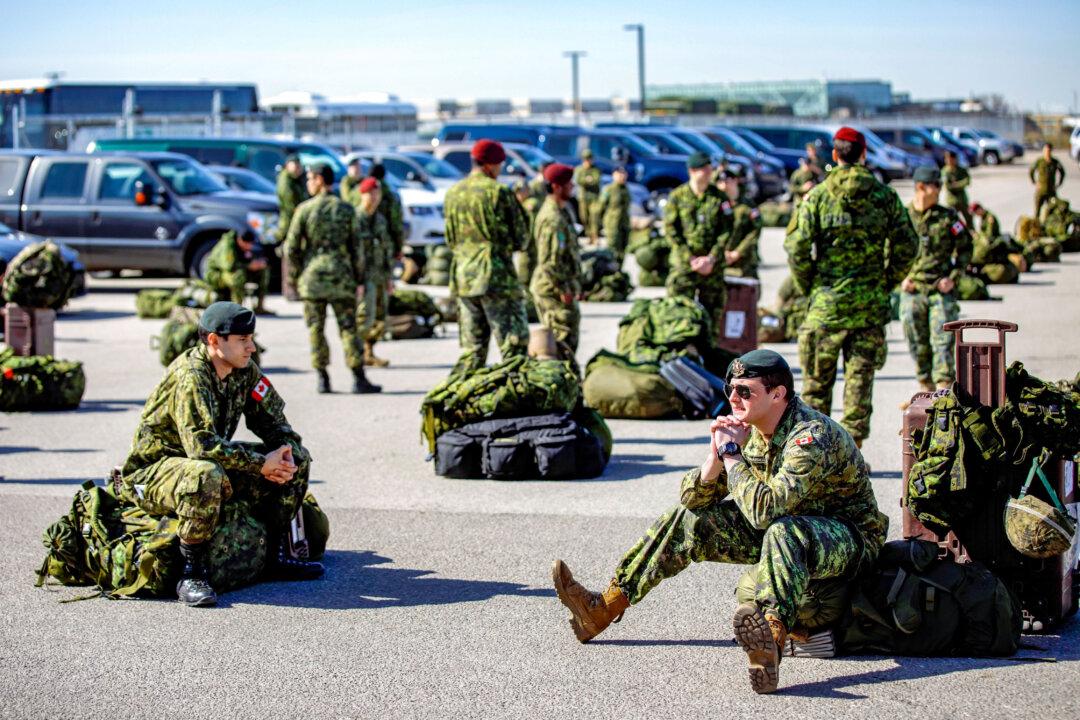
Canadians have grown used to bad news about the Canadian Armed Forces (CAF), but the newly revealed defence mobilization plan is in a category of its own.
The document is a Defence Mobilization Plan (DMP), normally an internal framework outlining how the military would expand or organize its forces in a major crisis.
The DMP was circulated to 20 senior commanders and admirals, including leaders at NORAD, NATO, special forces, and Cybercom. The lack of recorded objection can reasonably raise concerns about how thoroughly its implications were reviewed.
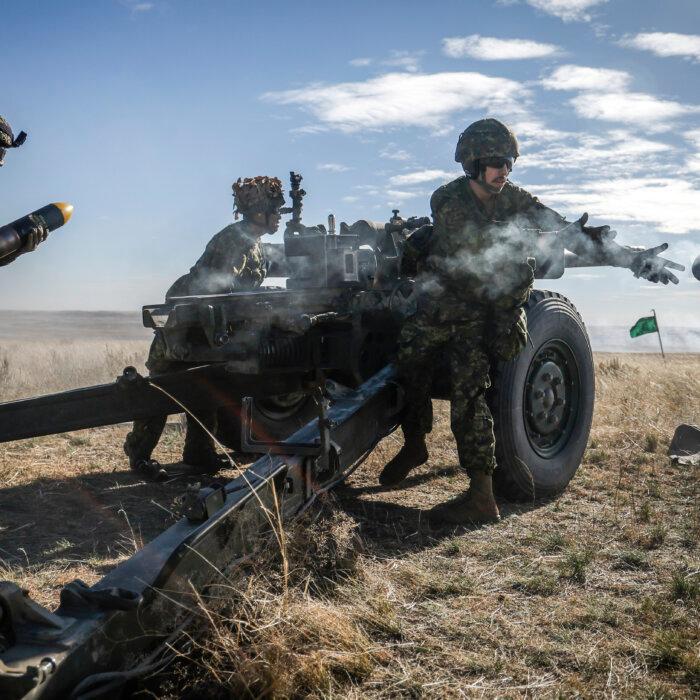
Premiers have often turned to the military first during floods and fires, but those political habits do not remove the responsibility of senior military leaders to work within the law and respect their mandate.
Capacity is another issue. Combat-capable personnel take years to train, and the institution is already well below its authorized strength. Any task that diverts resources from readiness weakens national defence, yet the DMP proposes to assign the military new responsibilities and add a civilian component to meet them.
The suggestion that the military and its proposed civilian force should routinely respond to climate-related events is hard to square with the CAF’s defined role. It raises the question of whether this reflects a policy misjudgment or an effort to apply military tools to problems that are normally handled by civilian systems.
The plan also treats hazards unrelated to warfighting as if the military is responsible for them. Every province and territory already has an emergency management organization that monitors hazards, coordinates responses and manages recovery. These systems use federal support when required, but the military becomes involved only when they are overwhelmed. If Canada wants to revive a 1950s-style civil defence model, major legislative changes would be needed. The document proceeds as if no such changes are required.
The DMP’s training assumptions deepen the concerns. Suggesting that tasks such as “shooting, moving, communicating, driving a truck and flying a drone” can be taught in a single five-day block does not reflect the standards of any modern military. These skills take time to learn and years to master.
The plan also appears aligned with the government’s desire to show quick progress toward NATO’s defence spending benchmark of two percent of GDP and eventually five percent. Its structure could allow civil servants’ pay and allowances to be counted toward defence spending.
Any civil servant who joins this proposed force would be placed in potentially hazardous situations with minimal training. For many Canadians, that level of risk will seem unreasonable.
The Defence Mobilization Plan risks placing civil servants in danger through a structure that appears poorly conceived and operationally weak. The consequences for public trust and institutional credibility are becoming difficult to ignore.