I’m writing this on my porch, sipping coffee and nursing my two-year-old. I’ll be 47 this week, and no, I didn’t imagine I’d still be breastfeeding at this age—but I also didn’t imagine I’d become a regenerative farmer after a career as a vegan chef. Life has taught me to follow truth, not trends. And the truth is this: Breast milk is the most perfect food ever designed for a human child, and we’re trading it for ease—with devastating consequences.
I’ve been breastfeeding continuously for 10 years. Each of my four children were weaned between 23 months and 3.5 years, and I’ve let them lead the process as much as possible. My strongest child—physically, emotionally, and immunologically—nursed the longest. My child with the most health challenges had the shortest breastfeeding duration.
The science is clear. Breastfeeding boosts immune function; improves gut health; reduces rates of asthma, allergies, obesity, and diabetes; and even raises IQ. A meta-analysis published in The Lancet found that children breastfed longer had higher intelligence scores and lower risk of death and disease later in life.
Breast milk adapts in real time, as the baby’s saliva communicates directly with the mother’s mammary glands, signaling exactly what the child needs. In response, the mammary glands adjust the composition of the milk—providing precise nutrition and a tailored immune boost, custom-made for that moment in the child’s development. That’s not just biology—it’s divine intelligence.
And yet, in the United States, the average breastfeeding duration is only about six to 12 months—and that includes any breastfeeding at all, not necessarily exclusive. While about 84 percent of mothers initiate breastfeeding, only about 25.4 percent of babies are exclusively breastfed through six months, despite this being the recommendation of both the American Academy of Pediatrics and the World Health Organization (I largely don’t agree with many of their recommendations, but in this case, I do agree).
Wealthier nations like the United States tend to have shorter breastfeeding durations than less developed countries. Why? Because convenience culture reigns supreme. We’re giving up grit for simplicity and forfeiting hardiness for expediency—not just in how we feed our children, but in how we approach nearly every aspect of modern life.
What many parents don’t realize is that even partial formula supplementation fundamentally changes the infant’s gut microbiome. Research shows that formula feeds completely different strains of bacteria than breast milk, and once introduced, those bacteria can quickly overtake the unique microbial environment that breast milk fosters. These microscopic communities influence immunity, metabolism, and even brain development. In other words, one bottle of formula isn’t “neutral”—it’s a microbiological turning point.
Formula feeding isn’t always a necessity. In many cases, it’s just easier—or it’s made to seem easier by powerful marketing and a lack of societal support.
Here’s a truth that’s hard to stomach: one of the reasons the United States doesn’t have more paid maternity leave is because formula companies have lobbied against it. Formula is a multibillion-dollar industry, and when mothers go back to work within weeks of giving birth, it’s a windfall for their bottom line. So we end up feeding our infants a mix of sugar, corn syrup solids, and processed oils—not because it’s best but because it’s profitable.
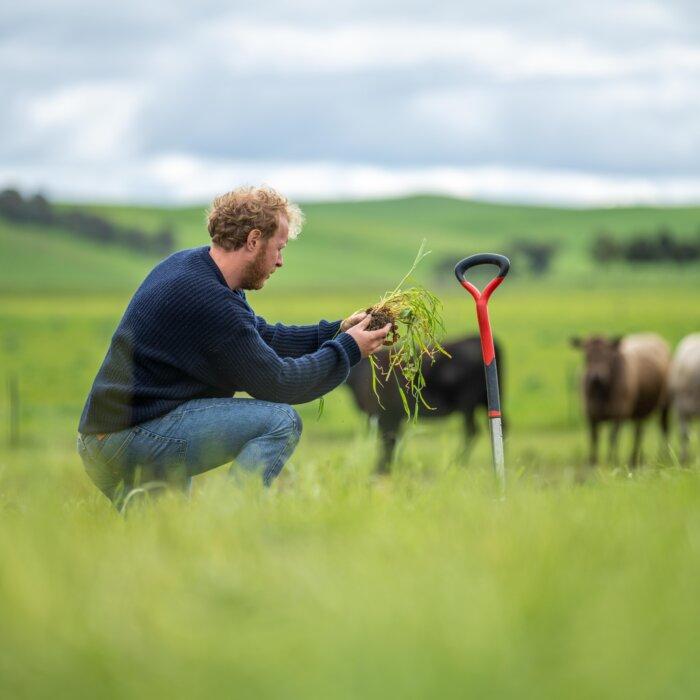
I run a farm. When a calf can’t nurse and we bottle-feed her—even with milk from another cow—she takes longer to grow. Often, she ends up squat, potbellied, or less vital. If we use milk replacer, the difference is even more dramatic. On the farm, the consequences of early weaning or formula substitution are immediately visible. Why don’t we see it more clearly with our own children?
Some mothers truly cannot breastfeed. Death, illness, mastectomy, adoption—there are real exceptions, and no shame should ever fall on those doing their best. But those cases are rare compared to the percentage of children fed formula simply because the system makes it easier than the alternative.
We spend fortunes on organic baby food and chemical-free lotions but overlook the most important investment: breast milk. It’s fast, free, always the right temperature, and requires no bottles, no sterilization, and no late-night mixing. The ultimate fast food is made by my body—tailored in perfect ratios for my child. We’re compromising fortitude for quick fixes—and it’s showing in our children’s health.
As we watch the government investigate the alarming health outcomes of children in this country, it would be a profound oversight not to examine the link between long-term health and extended breastfeeding. If we truly want to make America healthy again, we must look here—at the earliest and most powerful form of nourishment. Mothers need to mother up. Do what’s right. Make the short-term sacrifice for the long-term gain of your child.
Do I sometimes want my body back? Yes. Do I feel touched out and exhausted? Of course. But the long-term benefits for my children far outweigh my momentary discomfort.
It’s time we stop outsourcing what nature designed us to do. It’s time we protect, support, and normalize extended breastfeeding—not just as a lifestyle choice but as a public health imperative.