Late last December, Canadian businessman Kevin O’Leary, affectionately known as Mr. Wonderful, re-opened a longstanding public debate over the idea of “continentalism” in North America.
Unfortunate Timing
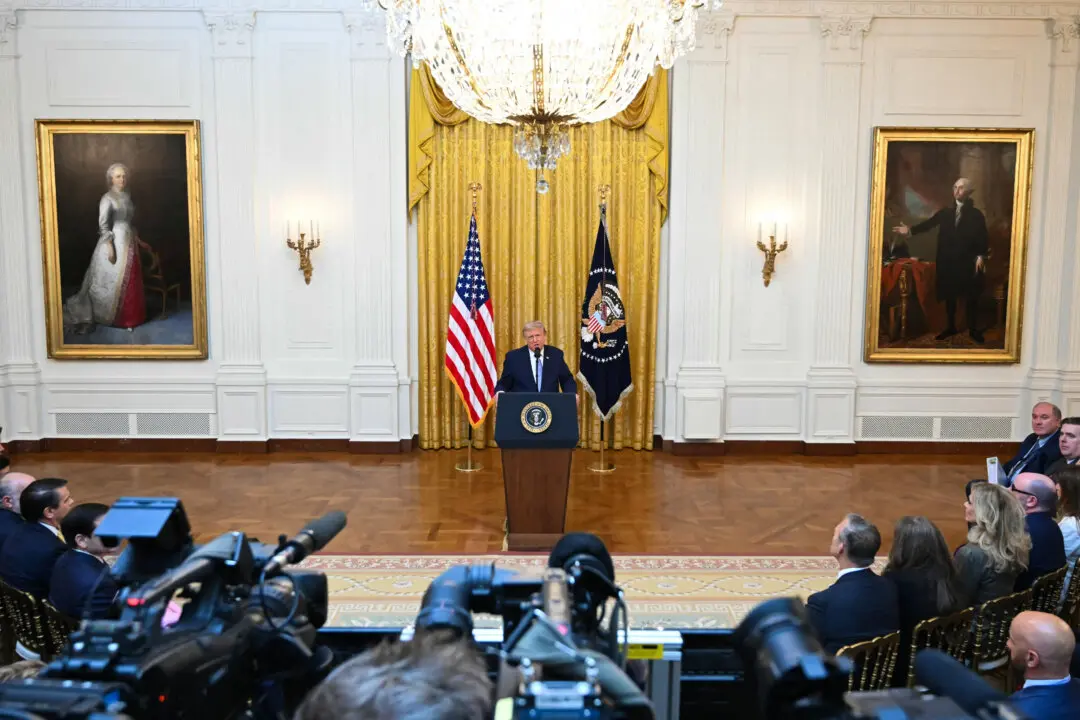
As it happened, the timing of O’Leary’s proposal could not have been worse. The credibility of his idea was instantly undermined by the incoming U.S. President’s controversial insistence that Canada should become the 51st state.After Trump’s inauguration, Washington pivoted to hardball positions on tariffs and trade and it was clear there would be no special concessions for Canada. Signals from D.C. warned of tough USMCA trade negotiations to come.
In March, a beleaguered Justin Trudeau left office and former Bank of England President Mark Carney took over the Liberal Party of Canada. In April, Mr. Carney was elected prime minister, but his party fell short of winning a clear majority in the House of Commons.
An Idea Worth Revisiting
The idea of an EU-style Can-Am union has a long and respectable history and it is well worth revisiting.

Today, the arguments for the development of a Can-Am union are more compelling than ever. Economic integration, the elimination of trade barriers, and the removal of regulatory mismatches could boost cross-border investment well beyond current USMCA levels. A strong shared currency would eliminate exchange rate volatility, reduce transaction costs, and improve price transparency. EU-style citizen mobility could reduce labour shortages, provide enormous opportunities for young workers, increase productivity, and fill demographic gaps created by aging populations.
Infrastructure and environmental coordination would support integrated transportation systems, energy production, and transnational communications networks. Coordinated pollution policies could establish reasonable emissions standards and enhance environmental protection without obstructing sorely needed drilling, mining, and manufacturing initiatives.
A larger unified market with consistent rules would incentivize investors. Harmonized policies would secure critical materials and technologies within North America and reduce dependency on hostile suppliers. A Can-Am union would bring together a population of some 388.8 million on 19.82 million square kilometres of territory with and a combined GDP of close to $32 trillion.
In the realm of education, mutual credential recognition, research collaboration, and professional mobility would multiply opportunities in a North American cultural market that could stand up to the Chinese Communist Party and other global influencers.
All in all, a new continental order would increase the geopolitical influence and security of citizens in both Canada and the USA. A unified bloc dedicated to Western democratic principles and free enterprise could rival the economic, diplomatic, and military weight of China, Russia, and other totalitarian regimes.
With a southern border wall already in place, our security could be further improved by a joint force that could act against illegal migration and drug smuggling at the water’s edge. Shared intelligence, cybersecurity, and a coordinated military would bolster North America’s defence systems in what has become a dangerous multipolar world.
Resistance to Change May be Overcome by Facts on the Ground
As it was in the days of Goldwin Smith, there is still plenty of cross-border resistance to Mr. O’Leary’s continentalist proposal.All manner of entrenched interests regard an economic union as overreach and fear the loss of personal power and control. Big Labour warns of downward pressure on salaries and benefits in an open job market. Canadian politicians fear being overwhelmed in an unbalanced partnership, and American lawmakers are reluctant to support anything that might dilute congressional supremacy.
But facts on the ground are leading to a kinder disposition toward the continental alternative. Among young, ambitious North Americans trapped in a collapsing middle-class there is a powerful yen for greater mobility and the new opportunities that bold change can invoke.
So perhaps it’s time for a second look at Kevin O'Leary’s proposal. As the late British Prime Minister Harold Wilson once asserted: “He who rejects change is the architect of decay. The only human institution which rejects progress is the cemetery.”