On a gray morning in Geneva, a human-rights advocate walks into the Palais des Nations and scans the room the way you’d scan a street corner for gang members in a hard neighborhood. Not for gangbangers, though—for “civil society.” For the suited delegates with nongovernmental organization (NGO) badges who film speakers a little too closely, who echo embassy talking points a little too faithfully, who make the room feel—subtly, persistently—less safe for anyone bringing evidence that embarrasses Beijing. Investigators have documented this pattern: government-linked “NGOs” using U.N. access to disrupt, intimidate, and drown out criticism.
Cancel culture is alive and well in the groups and committees of the U.N., and that scene matters because it sits beneath the most consequential line in the White House’s new withdrawal memorandum: The United States will “take immediate steps” to exit a list of international organizations and U.N.-linked bodies “as soon as possible.”
The memo is anchored to an earlier directive—executive order 14199—which required a review of U.S. participation and support across international bodies.
The list itself is telling. It includes scientific and governance nodes such as the Intergovernmental Panel on Climate Change (IPCC) and the U.N. Framework Convention on Climate Change, and also the machinery that sets development narratives and convenes states—the U.N. Department of Economic and Social Affairs and multiple U.N. Economic and Social Council regional commissions.
Winning by Wearing Out
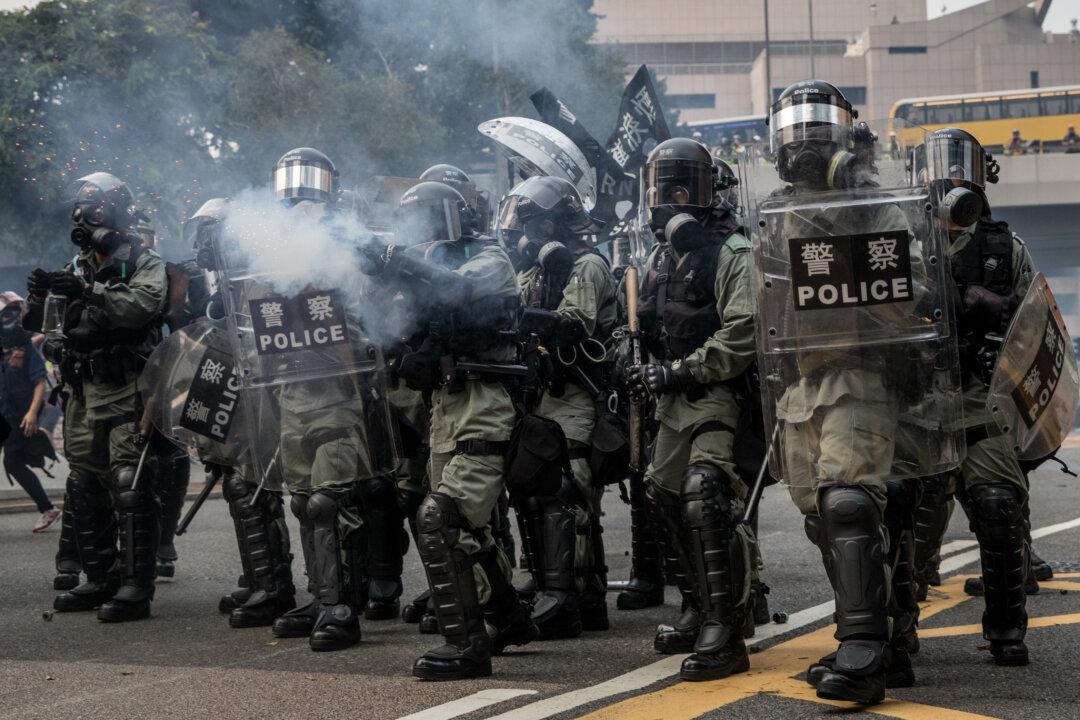
Chinese strategists continue to laud a whole-of-capabilities approach called “dissipative warfare”—a strategy of exhausting an opponent through protraction, friction, and cumulative cost rather than a single decisive blow.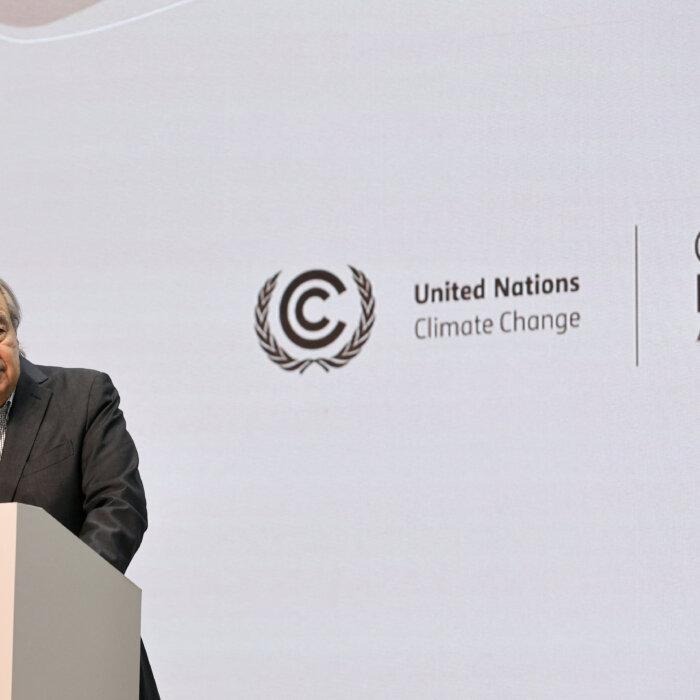
Procedural Choke Points
Start with climate and science. The IPCC’s summaries for policymakers are, by design, negotiated line-by-line with governments. That’s not a conspiracy; it’s written into the IPCC’s own procedures.That model can produce robust consensus—but it also creates leverage for states skilled at procedural delay and linguistic bargaining. In a dissipation frame, the goal is not to “win” the report; it’s to grind down clarity, introduce ambiguity, and turn scientific bottom lines into endlessly contestable phrasing. In this condition, the narrative is malleable.
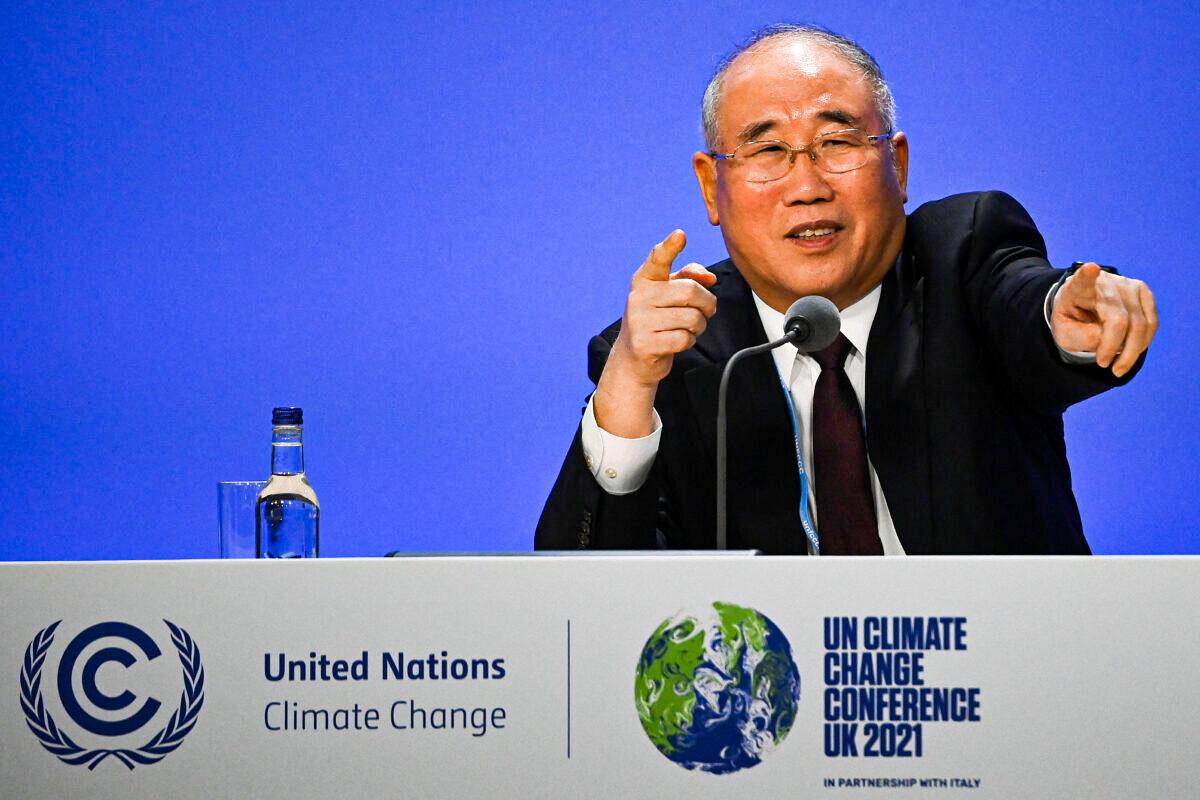
Similarly, the U.N. Framework Convention on Climate Change outcomes often hinge on consensus among nearly 200 parties. The Glasgow Climate Pact’s language calling for a “phase-down” of unabated coal power illustrates how hard-fought wording becomes the battlefield itself.
The Development Narrative Machine
Then there is the U.N. Department of Economic and Social Affairs—on the memo’s withdrawal list—because the department doesn’t merely “do development.” It frames the development story: what counts as progress, which financing models are celebrated, what language becomes standard in global planning.Leadership and institutional emphasis matter here. The U.N. secretary-general appointed Li Junhua of China as undersecretary-general for economic and social affairs in 2022.
U.N. development publications have treated China’s Belt and Road initiative as compatible with the U.N.’s Sustainable Development goals. That’s not proof of control. It is, however, a form of normalization—turning a contested geopolitical initiative into familiar U.N. development vocabulary. It’s a form of socializing it into acceptability.
The ‘Civil Society’ Channel
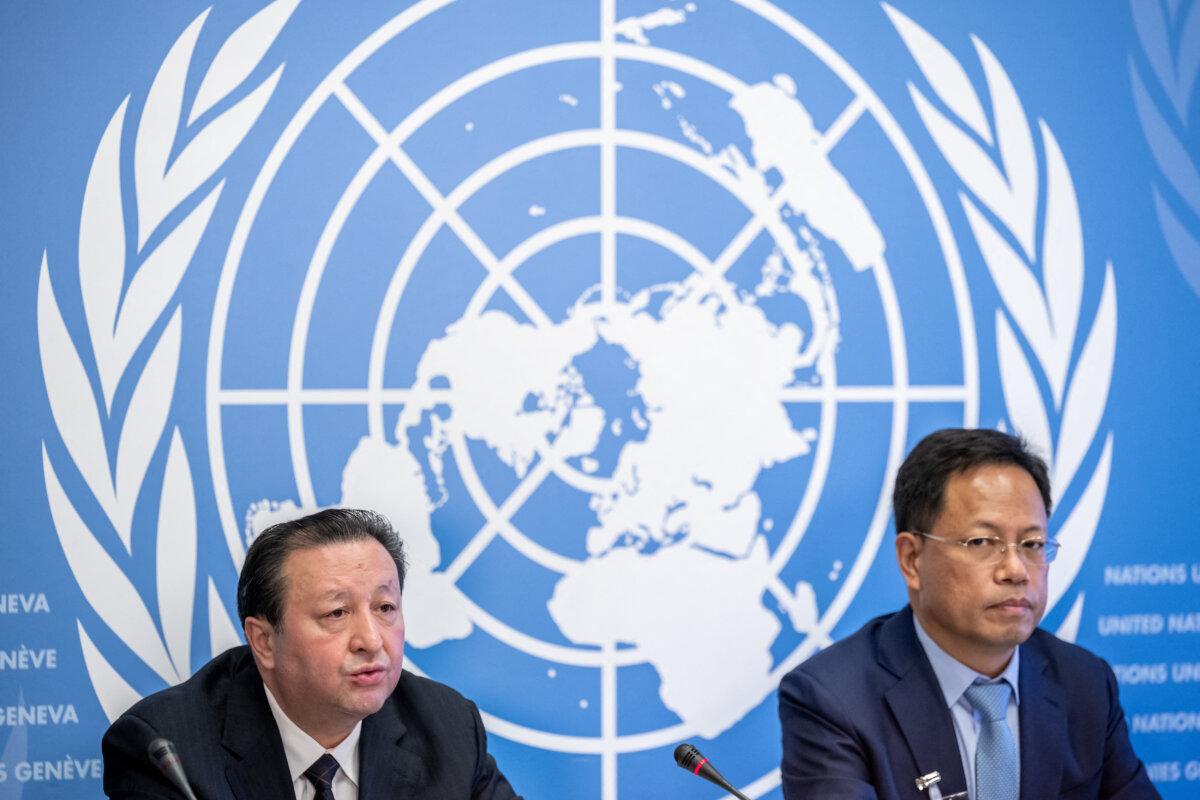
Finally: access. The U.N. system grants NGOs consultative privileges on the assumption that they act independently of governments. But reporting and watchdog analysis describe a growing ecosystem of state-linked “government-organized” NGOs using that access to crowd out testimony, praise Beijing, and intimidate critics—especially in Geneva’s human-rights ecosystem.This is dissipation in human form: make participation costly, make speaking risky, and make the room feel owned—until fewer credible witnesses show up.
Why the Memo’s List ‘Hangs Together’
Read the White House memo as a map of where narrative influence is manufactured and laundered into global “common sense.” It targets bodies that, one, negotiate language under consensus rules; two, set development and climate frames that travel into national policy; and three, credential actors who then shape discourse as “independent stakeholders.”But here’s the hard truth: If the United States exits without a replacement strategy, the vacuum becomes its own kind of dissipation—self-inflicted. Even Reuters’s early reporting on the memo notes the scale of the pullback and the risk that others fill the gap.
The memo pulls the United States off one battlefield, but it doesn’t end the war over perception. It simply raises a hard question: Why should the United States keep paying to staff, fund, and legitimize systems whose outputs so often harden into narratives that cut against U.S. strategy? You don’t have to believe in “capture” to see misalignment. The real test now is whether Washington replaces withdrawal with an influence strategy—one that protects openness, rewards transparency, and stops underwriting language that is later used to pressure U.S. policy and partners.